Tapestry Jacket Outfit Ideas: A 5-Step Guide to Fit, Style & Longevity
The fashion shift is clear: Fall/Winter 2026 is defined by Crafted Opulence—and your coat is the single most powerful way to wear it. This season’s best styles spotlight the artistry of a tapestry jacket and the sophisticated mood of dark florals, giving you instant impact without relying on trends that fade fast. These pieces feel like a smart investment because they’re rooted in heritage, built with texture and craftsmanship, and designed for serious longevity.
Want that vintage jacket modern outfit effect without looking dated? These five steps walk you through picking the right tapestry or dark floral coat, styling it with balance, and protecting the fabric so it lasts.
Step 1: Tapestry Jacket Outfit Ideas Start With the Right Print (Quality First)
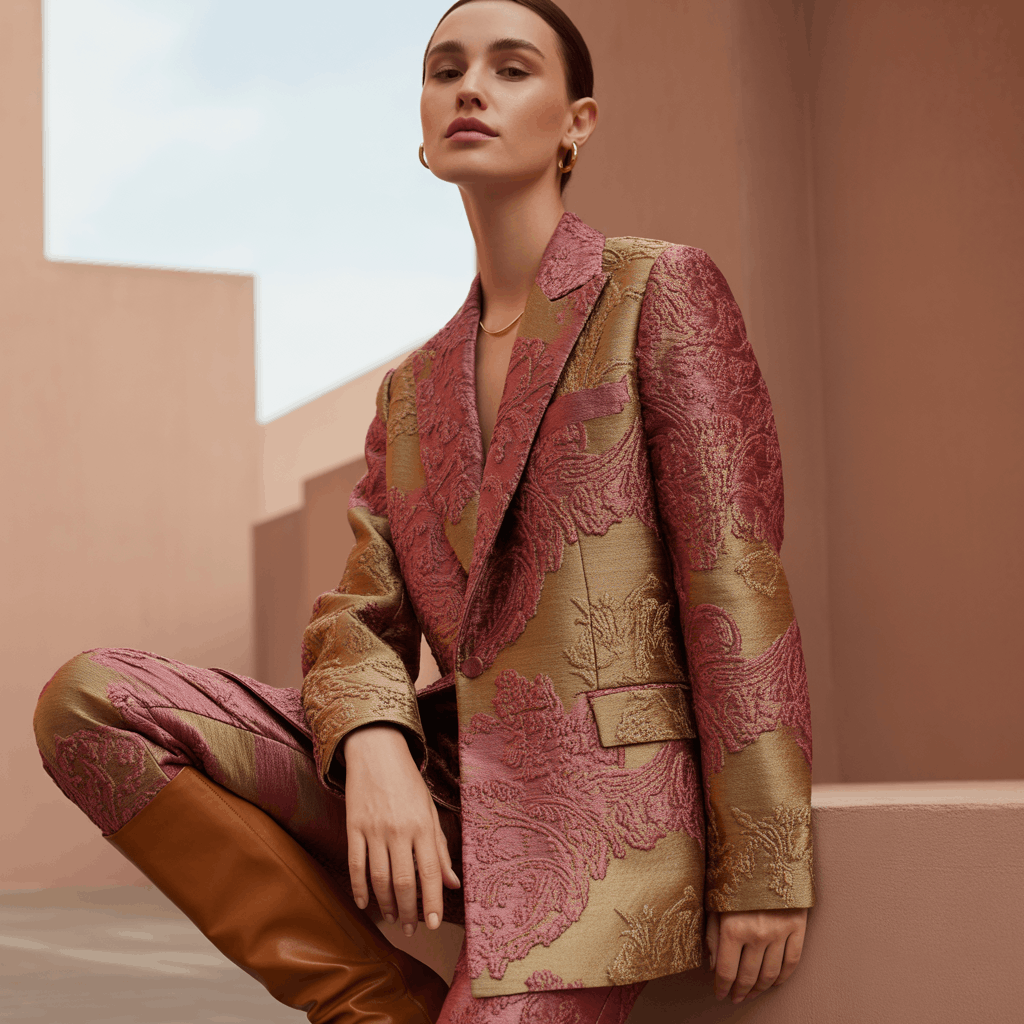
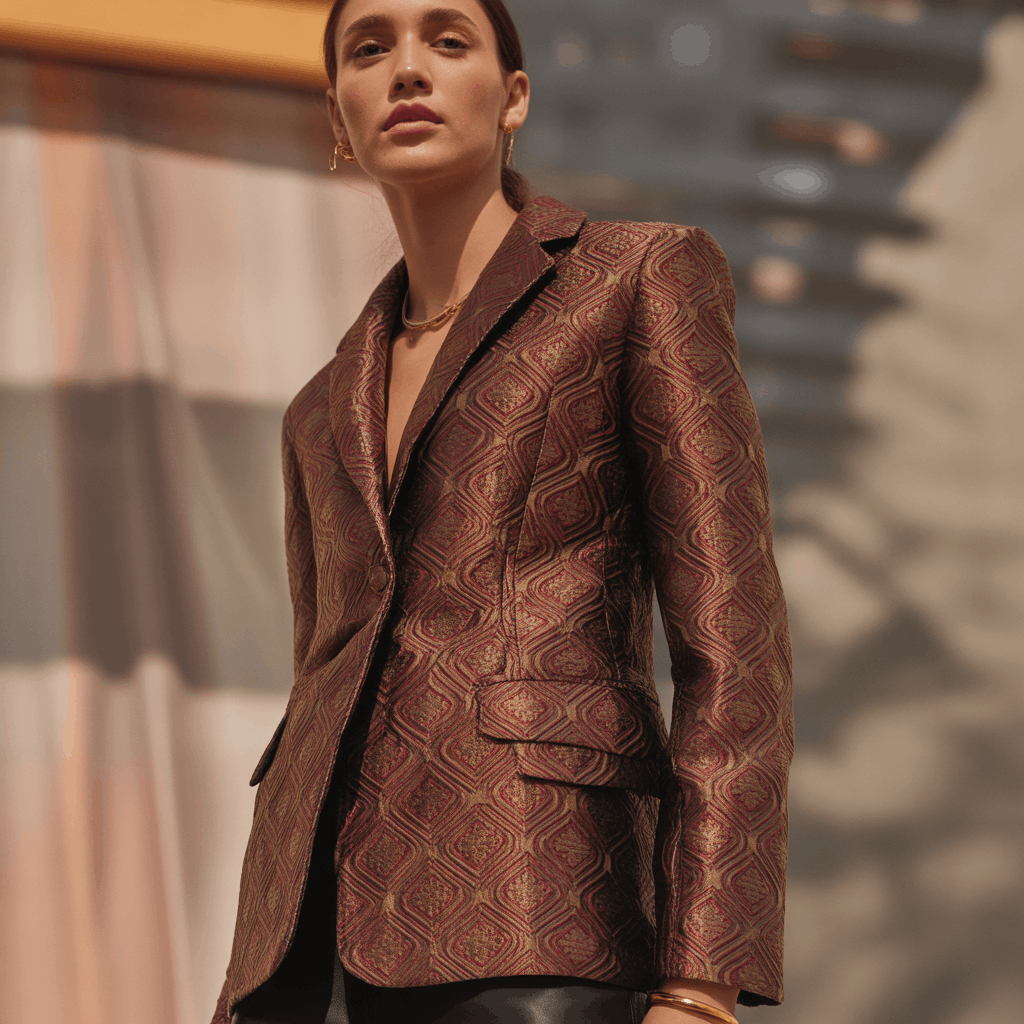
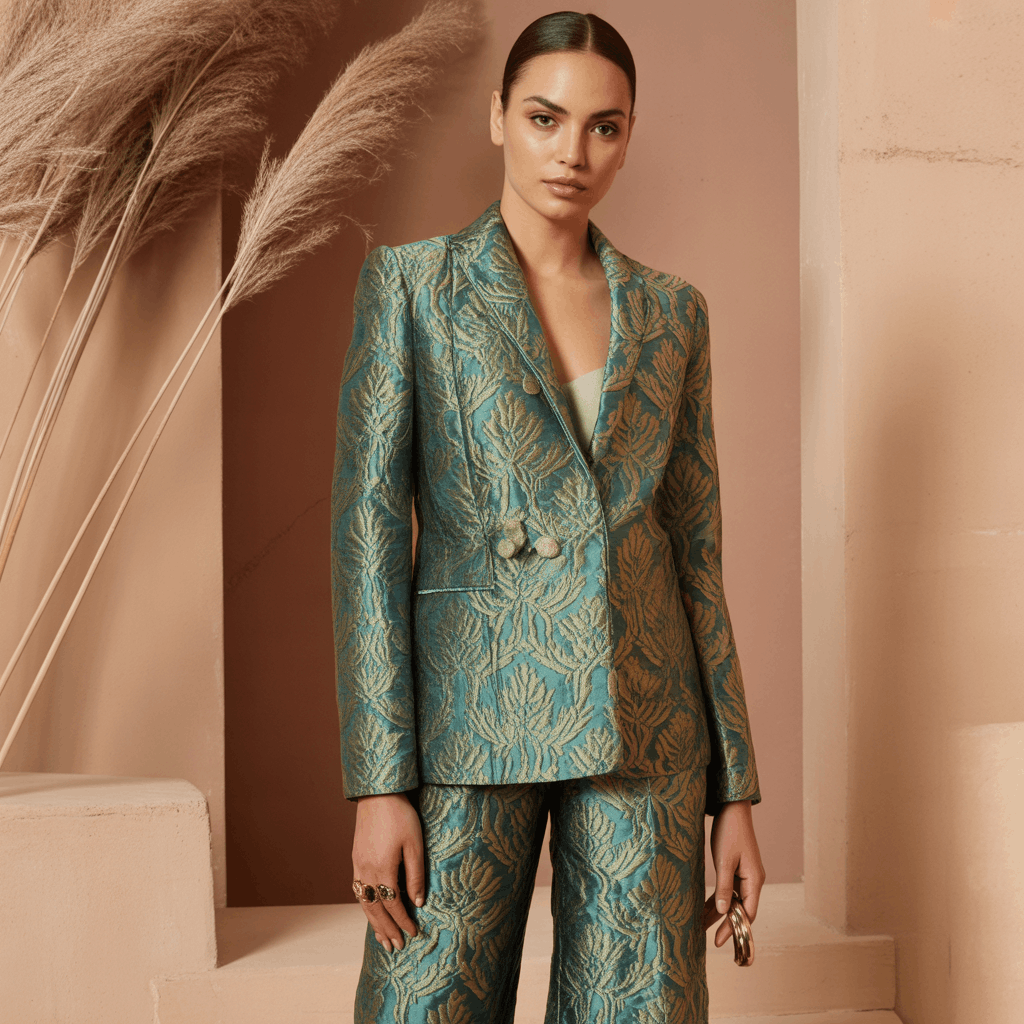
Your coat becomes a true hero piece when its pattern adds unique drama and richness. This section guides you on selecting a truly luxurious print with lasting value.
| Print Style | Key Aesthetic | Quality Indicator |
|---|---|---|
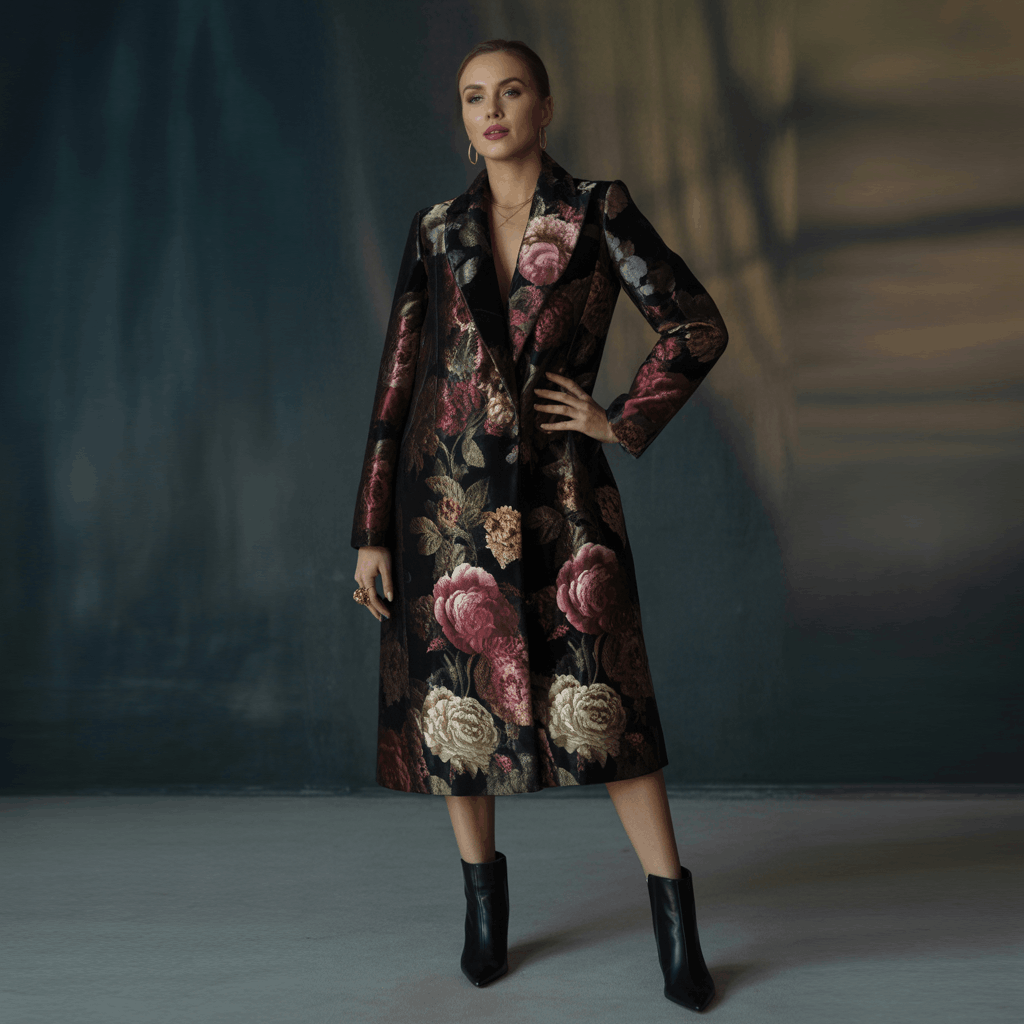
| The Tapestry Look | Artisanal Quality | Choose high-texture weaves like jacquard or brocade with raised, embossed detail. Skip flat prints that don’t have dimension. |
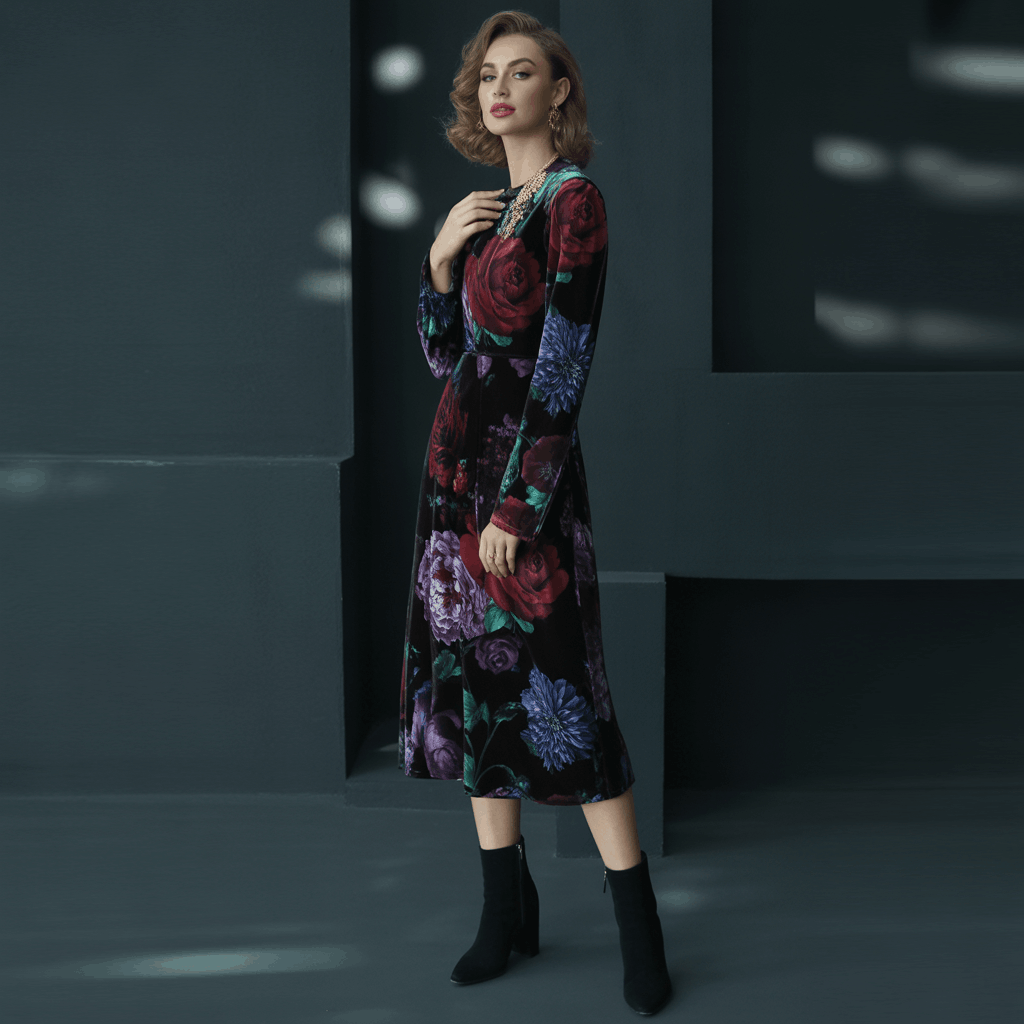
| Dark Florals | Understated Elegance | Look for blooms set on deep backgrounds (black, navy, charcoal). Velvet accents make a vintage floral jacket feel richer and more expensive. |
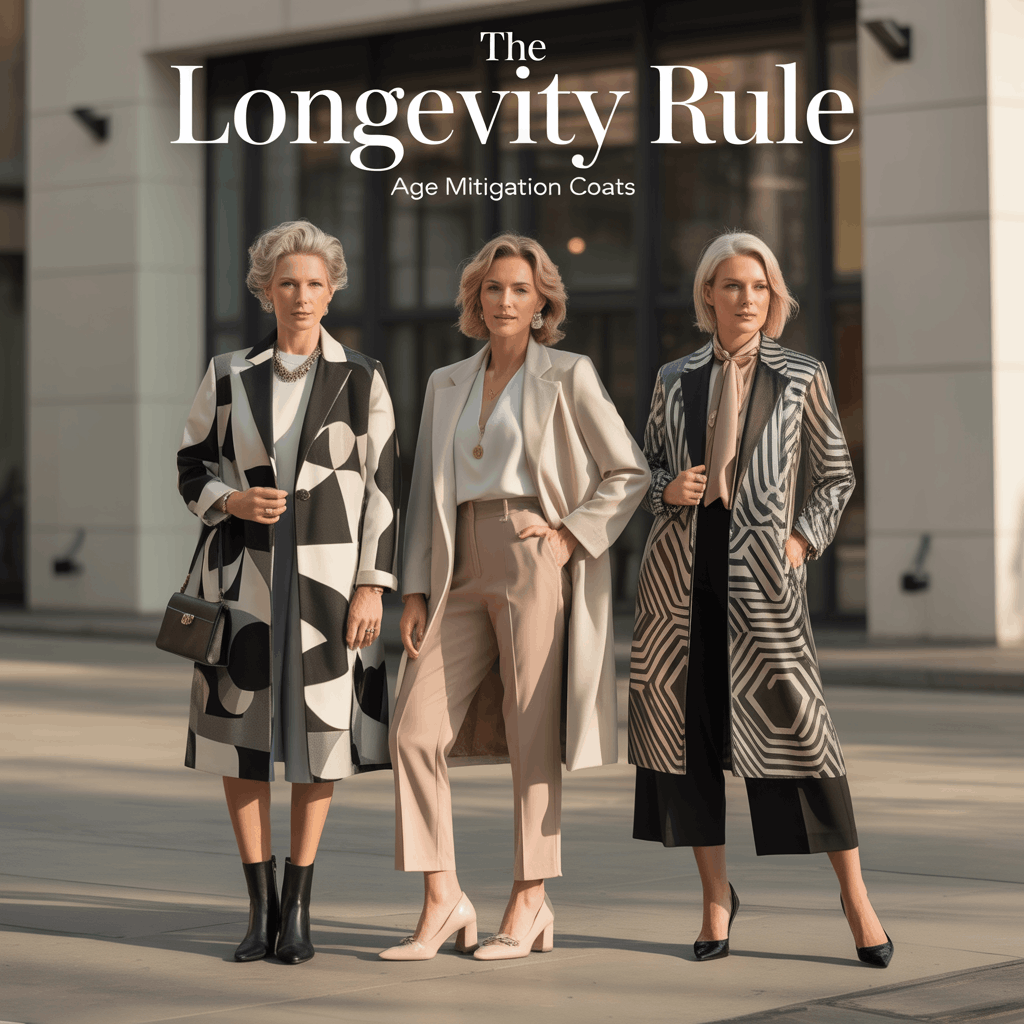
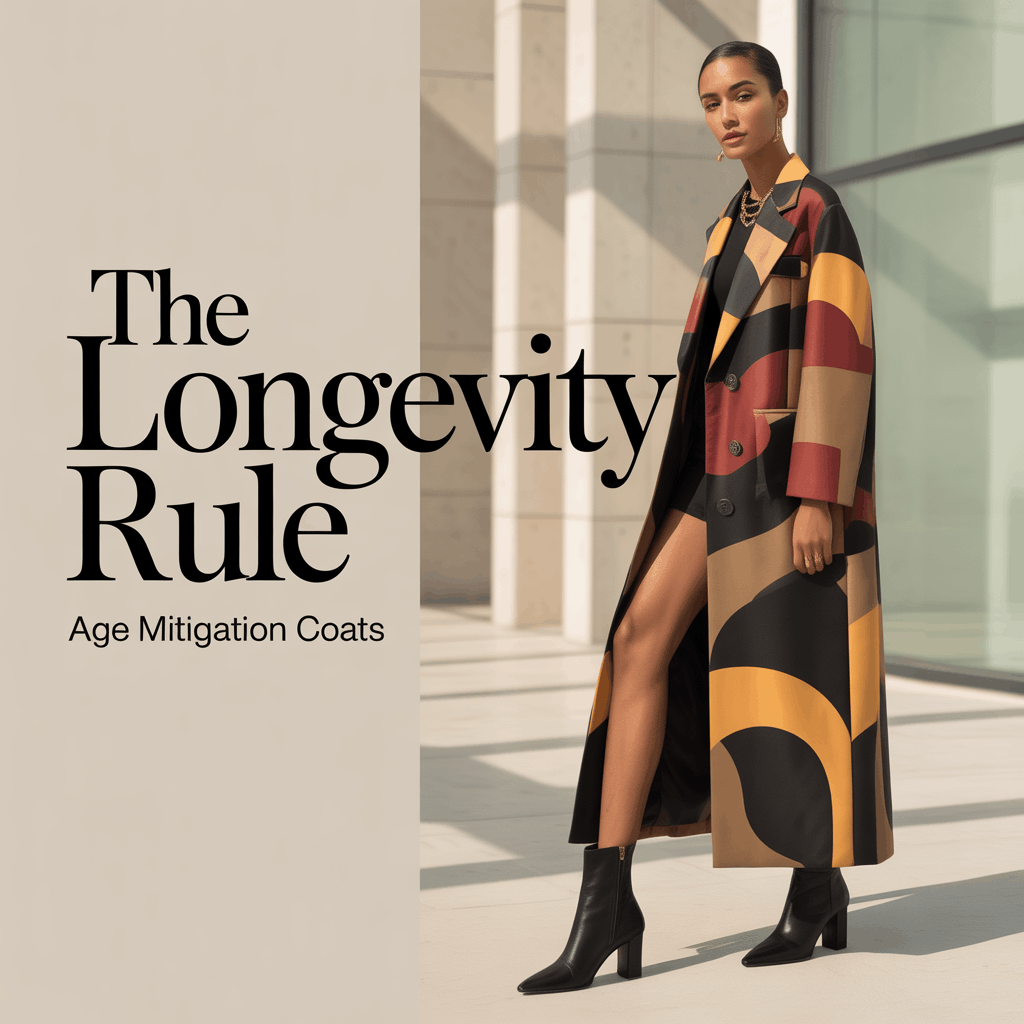
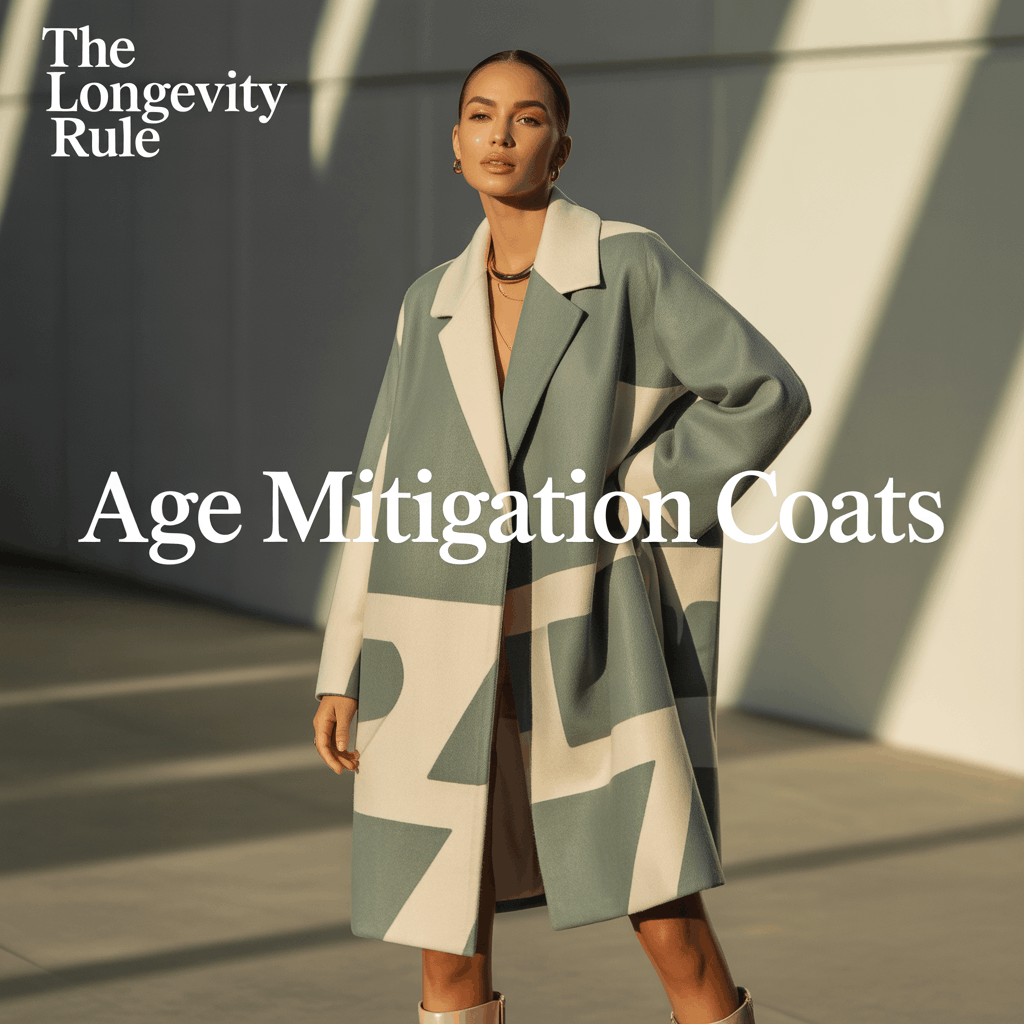
| The Longevity Rule | Age Mitigation | Choose stylized, larger-scale, or complex patterns. Avoid tiny, dense floral repeats—they can read “old-fashioned” fast. |
Flowers should bloom against a deep, shadowed background (black, navy, or deep gray). This vintage style often pairs with velvet, which boosts the rich tactile texture and makes the whole piece feel instantly elevated.
Step 2: Choose the Perfect Fit (Matching Coat to Proportion)
A beautiful coat only looks expensive when it fits like it belongs to you. Tailoring helps, but you’ll save money (and frustration) by choosing the right silhouette first—because you can adjust sleeves and sides, not rebuild the entire structure.
Fit matters even more when you’re working with volume, which is why how to style oversized jackets always comes back to the same rule: the shoulders must sit correctly, and the rest should follow your frame—not fight it.
Rule A: Silhouette Selection (Match Shape to Proportion)
Match the coat’s structure to your figure so the silhouette looks intentional, not overwhelming—especially when you’re figuring out how to wear long coats without losing your shape.
- For Petite Frames: Prioritize defined waistlines to visually lengthen the legs. Knee-length or shorter cuts usually look sharper; maxi coats can swallow the frame fast.
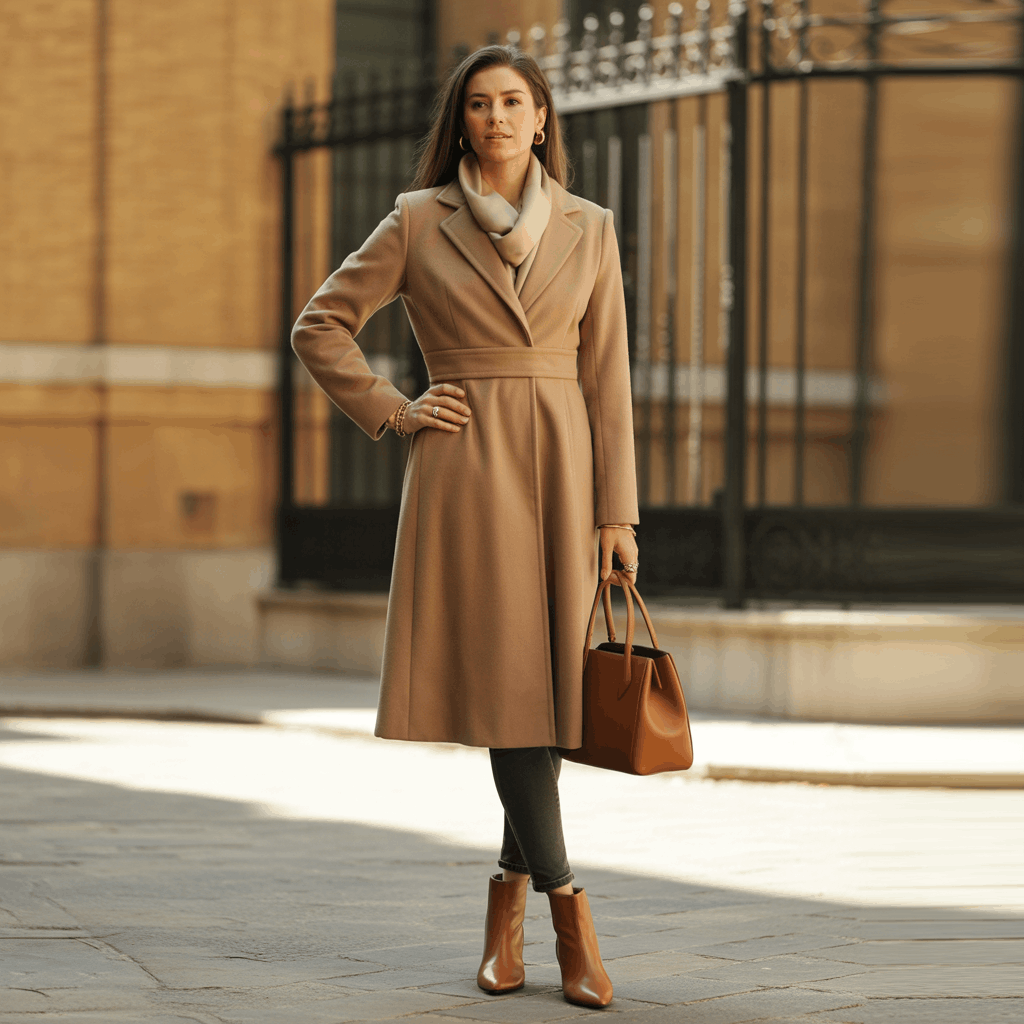
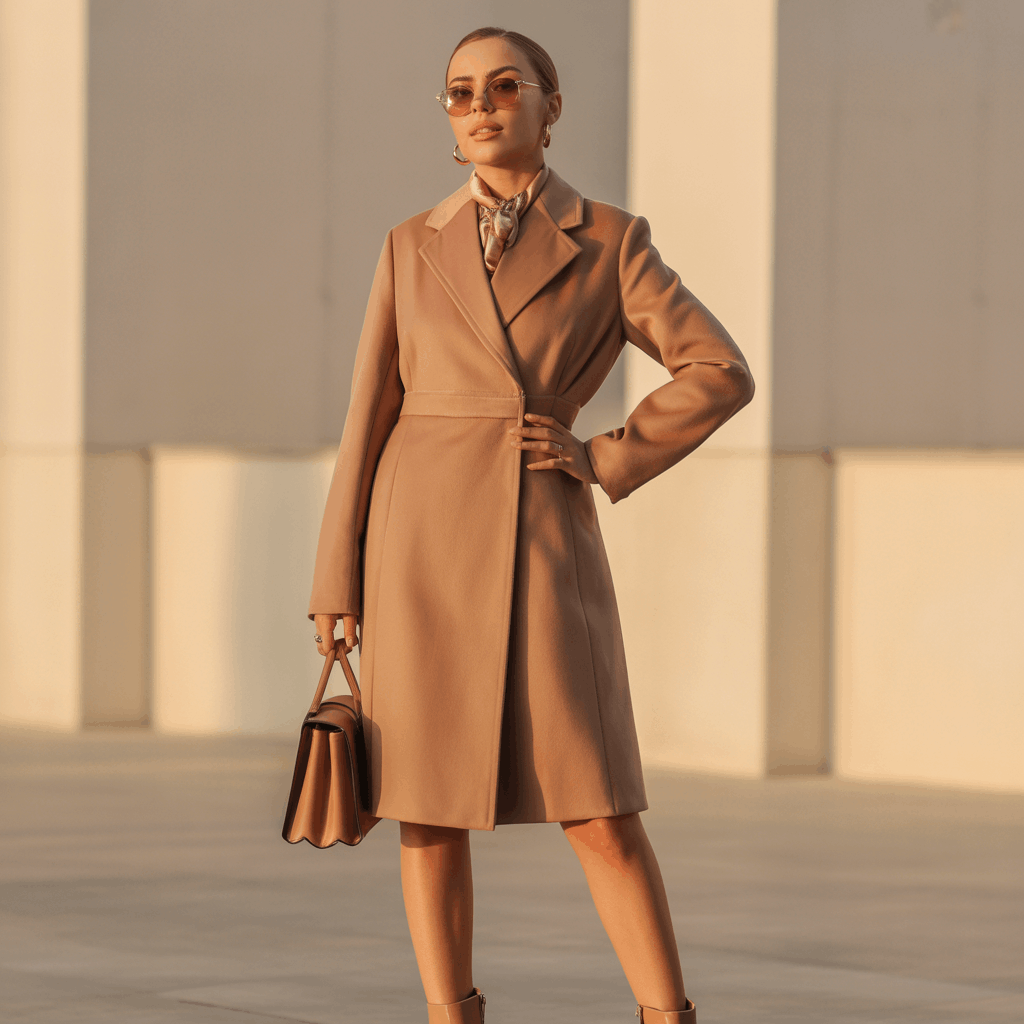
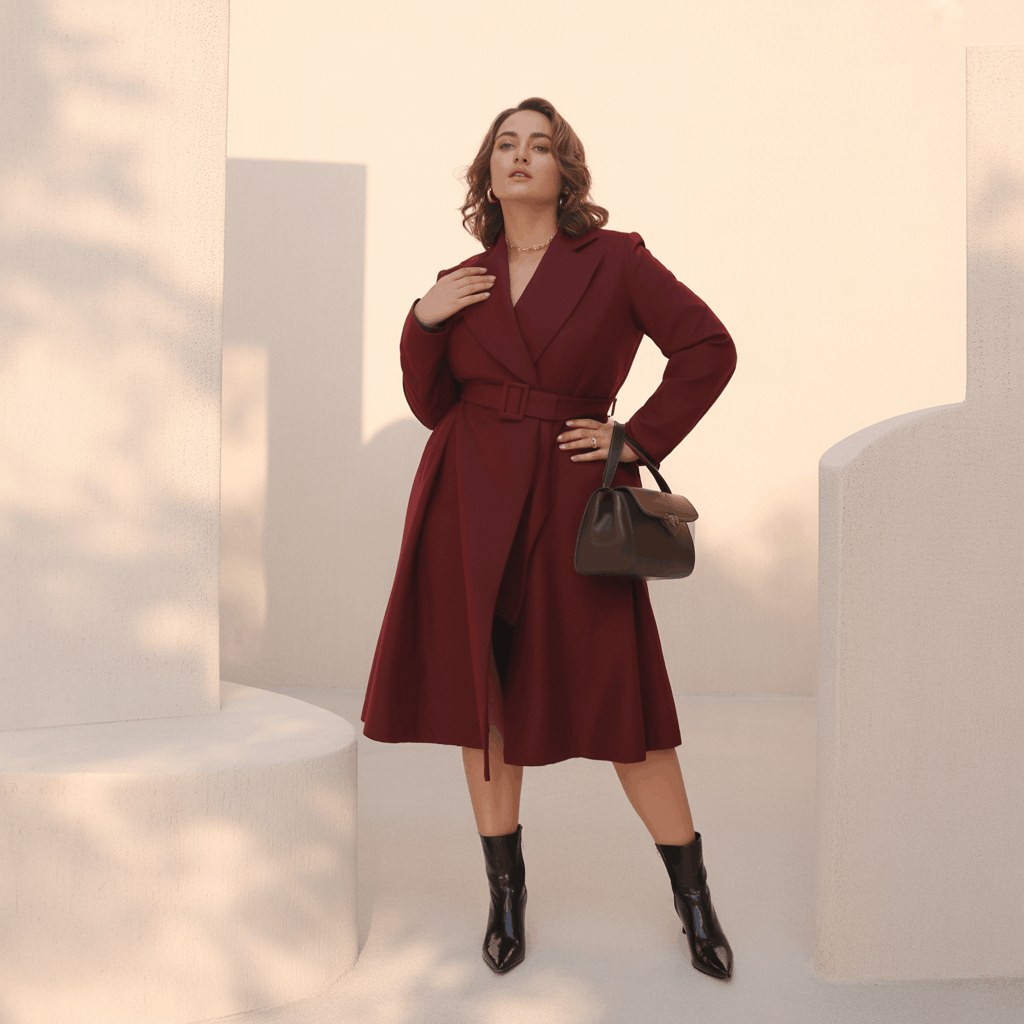
- For Curvy/Hourglass Figures: Choose styles that highlight the waist without adding bulk. Wrap coats and fit-and-flare coats work beautifully because they cinch at the waist and skim over the hips.
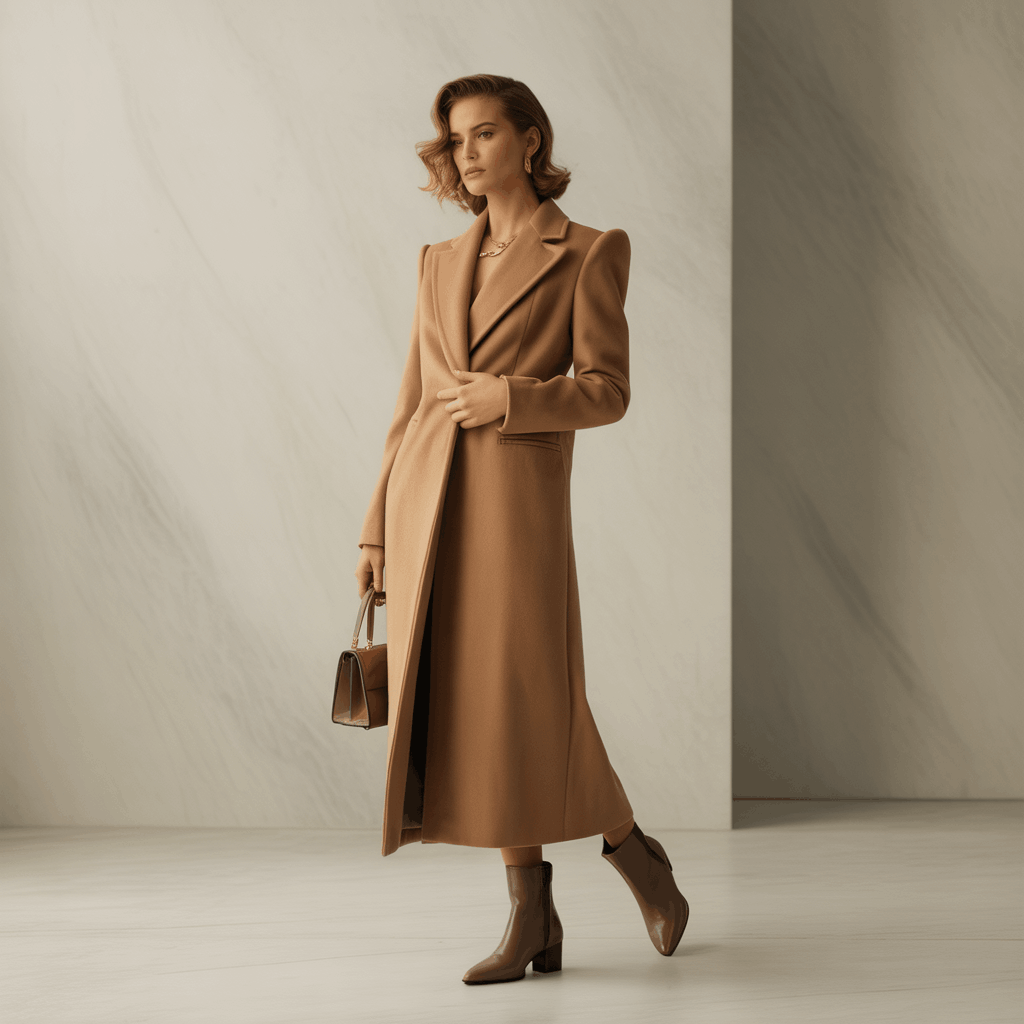
- The Golden Rule: Never buy a coat if the shoulders are too big. Shoulder structure anchors the entire garment, and altering it costs too much (and rarely looks perfect).
Rule B: Tailoring Investment (Once Shoulders Fit, Refine)
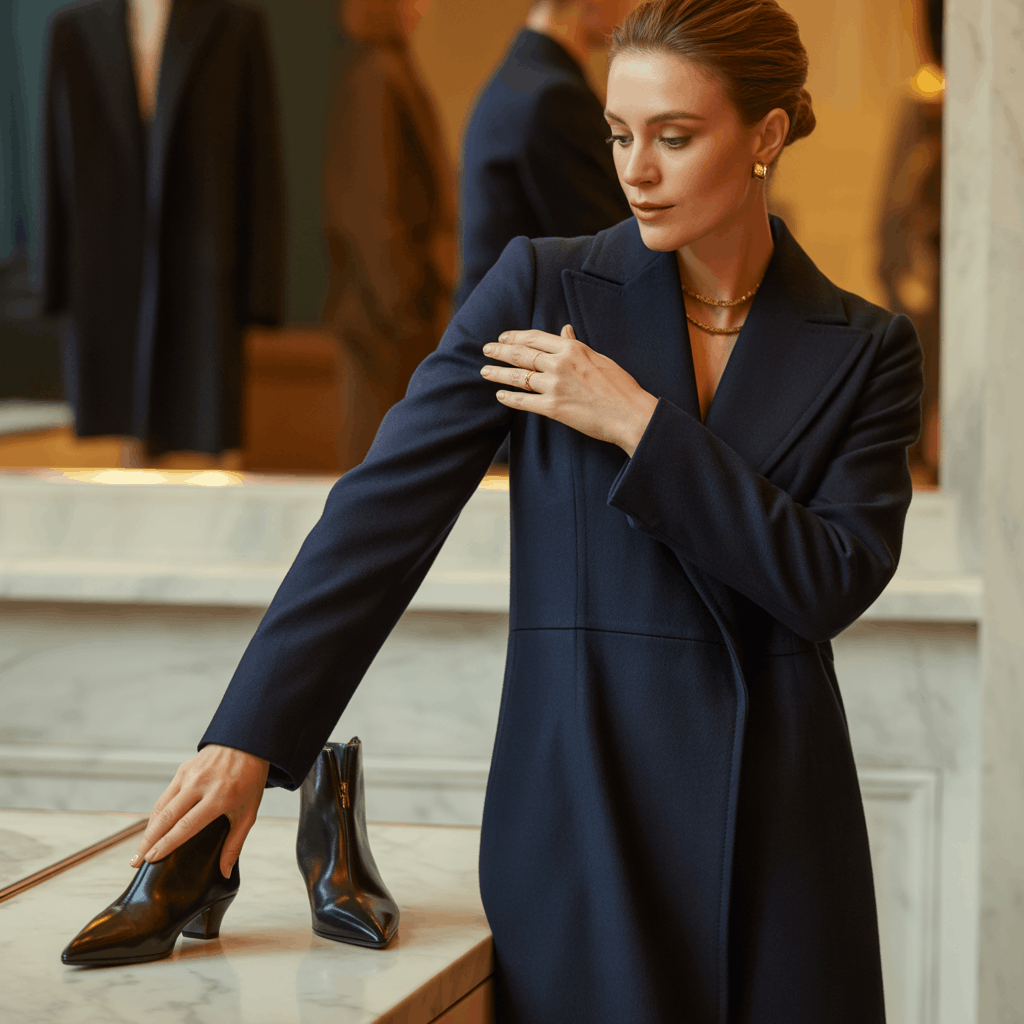
Once the shoulders fit correctly, tailoring turns “nice coat” into “expensive coat.”
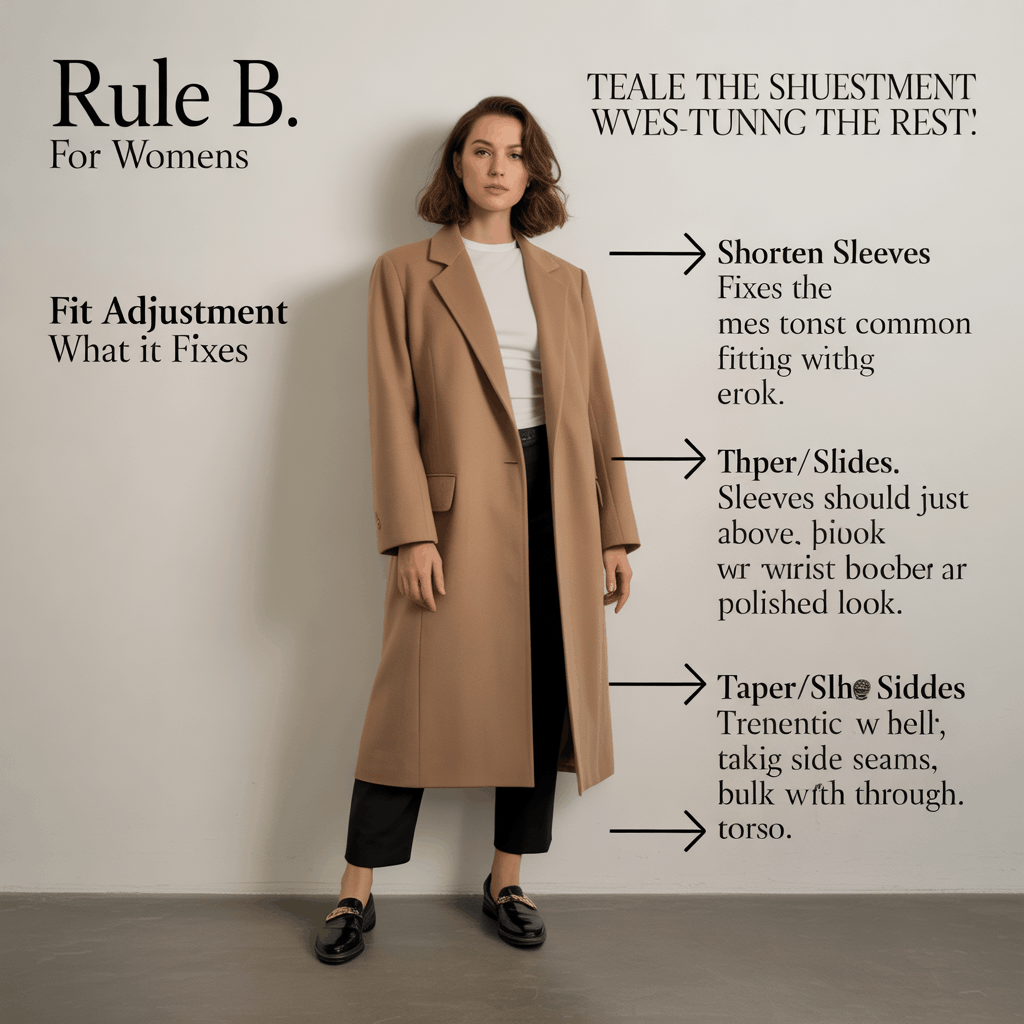
| Fit Adjustment | What It Fixes |
|---|---|
| Shorten Sleeves | The most common fit issue. Sleeves should land just above the wrist bone for a polished finish. |
| Taper/Slim Sides | Refines the coat’s silhouette by taking in side seams, preventing bulk through the torso. |
Step 3: Master the Styling Formula (Contrast is Key)
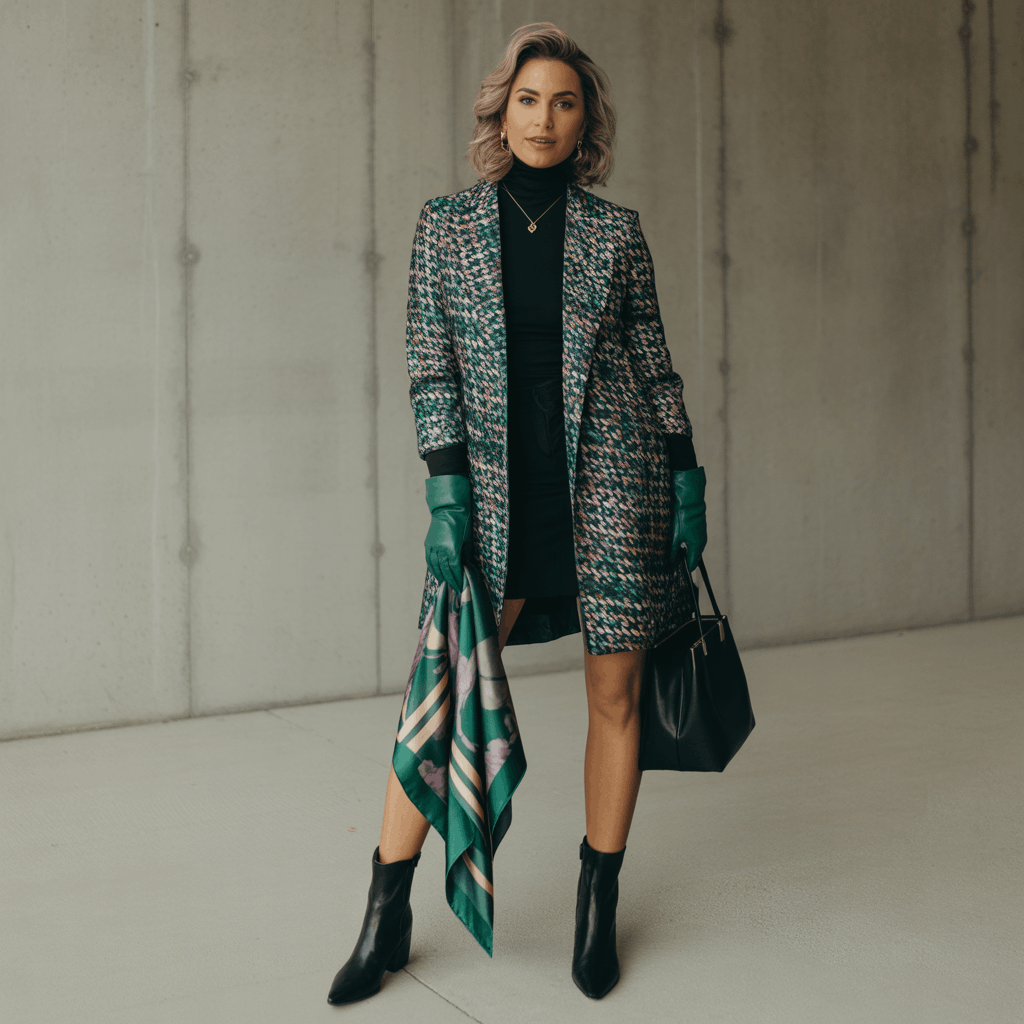
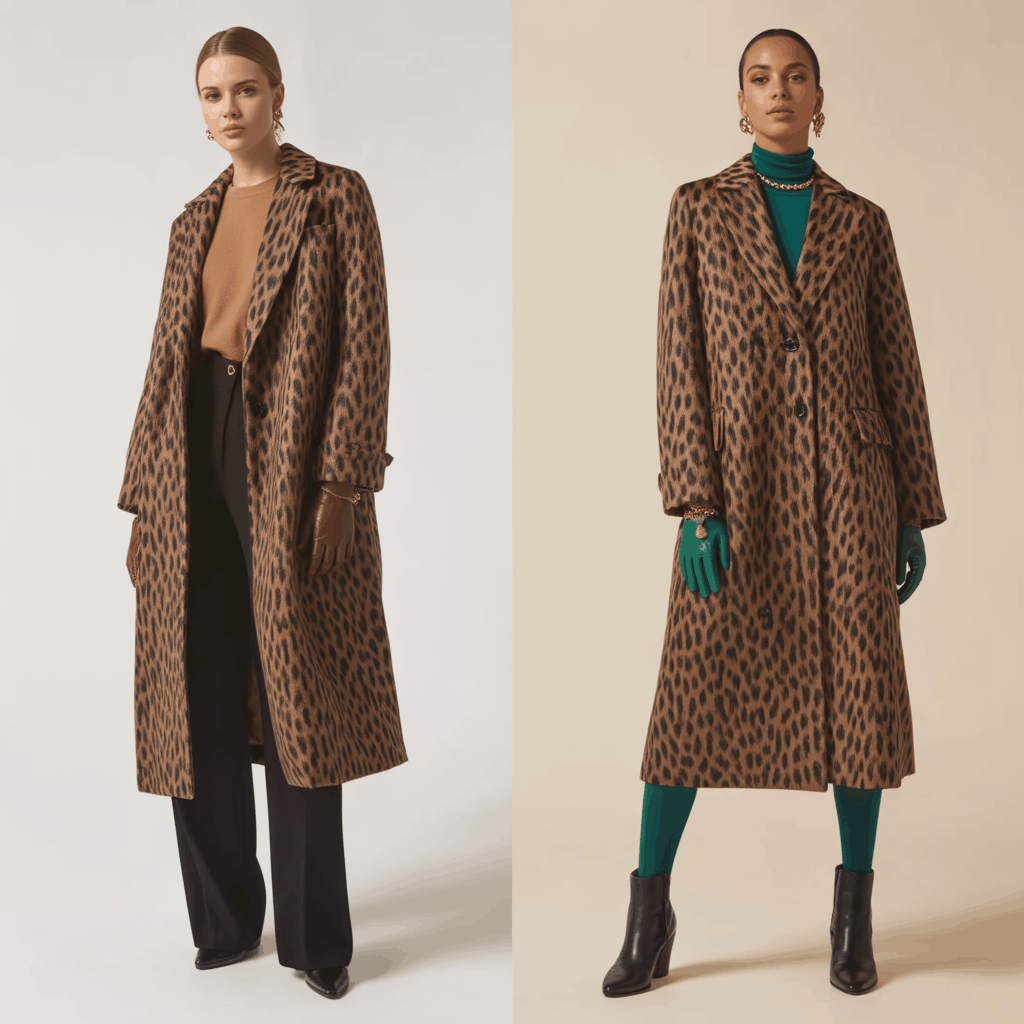
Follow the “One Coat, One Story” rule: let the coat be the hero piece, and keep the base layers calm so the look feels intentional.
Rule A: Proportional + Textural Contrast
Your goal is simple: avoid bulk and keep the rich print modern.
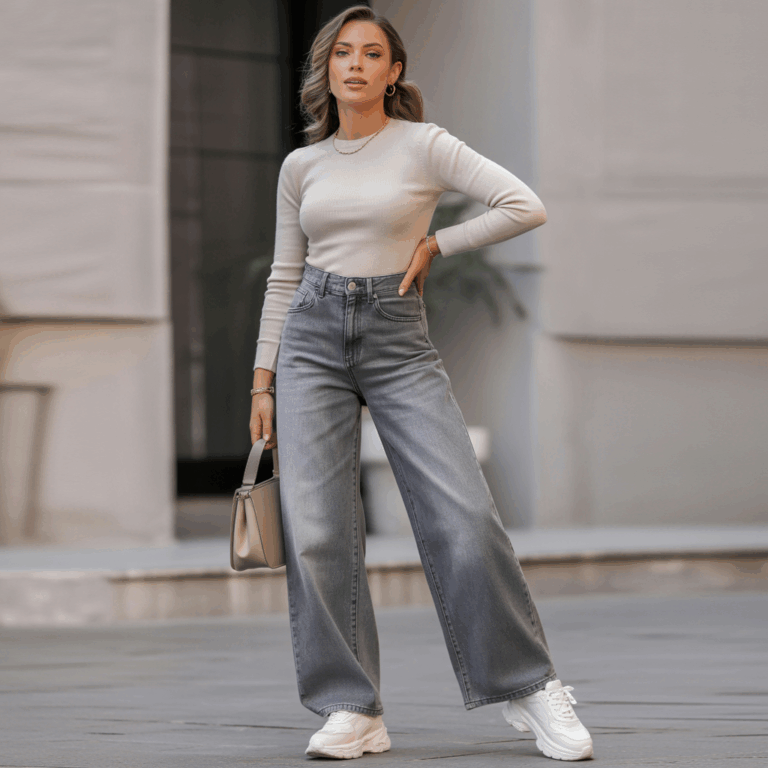
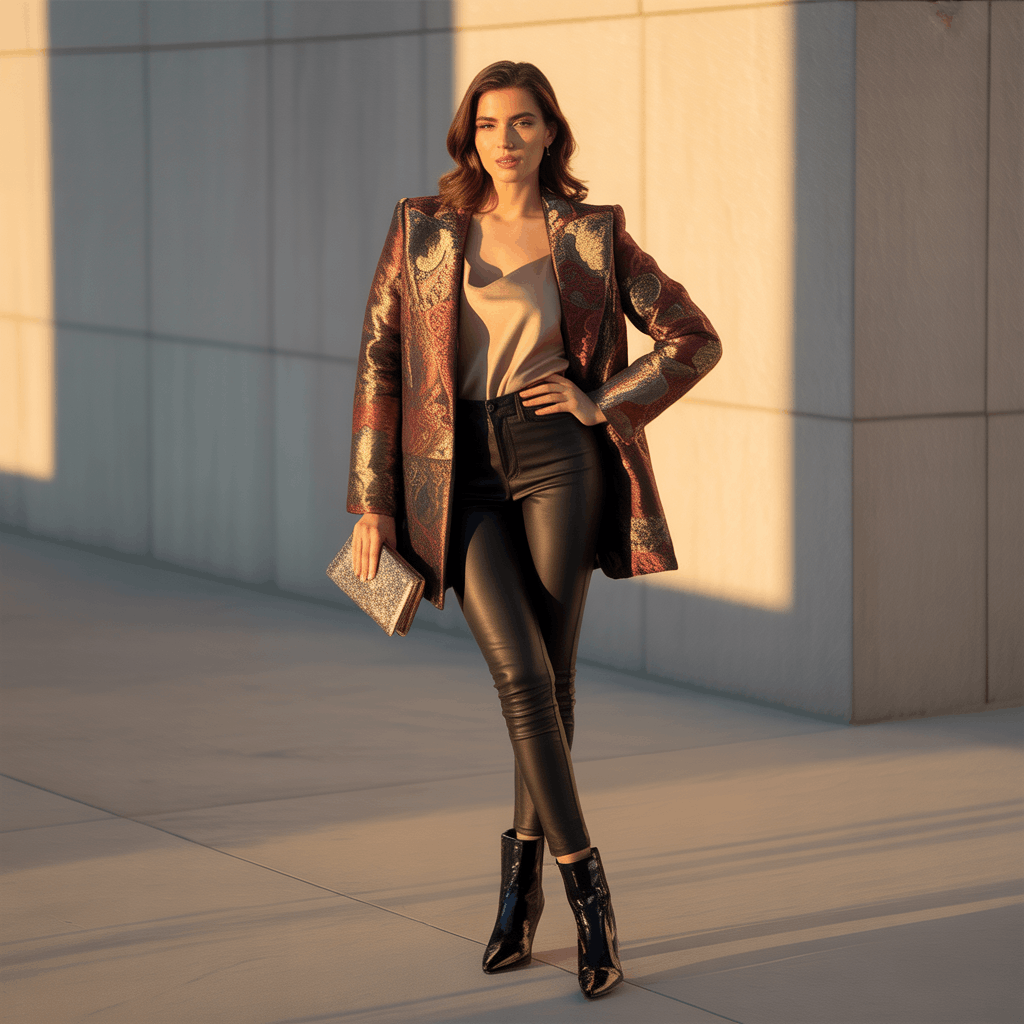
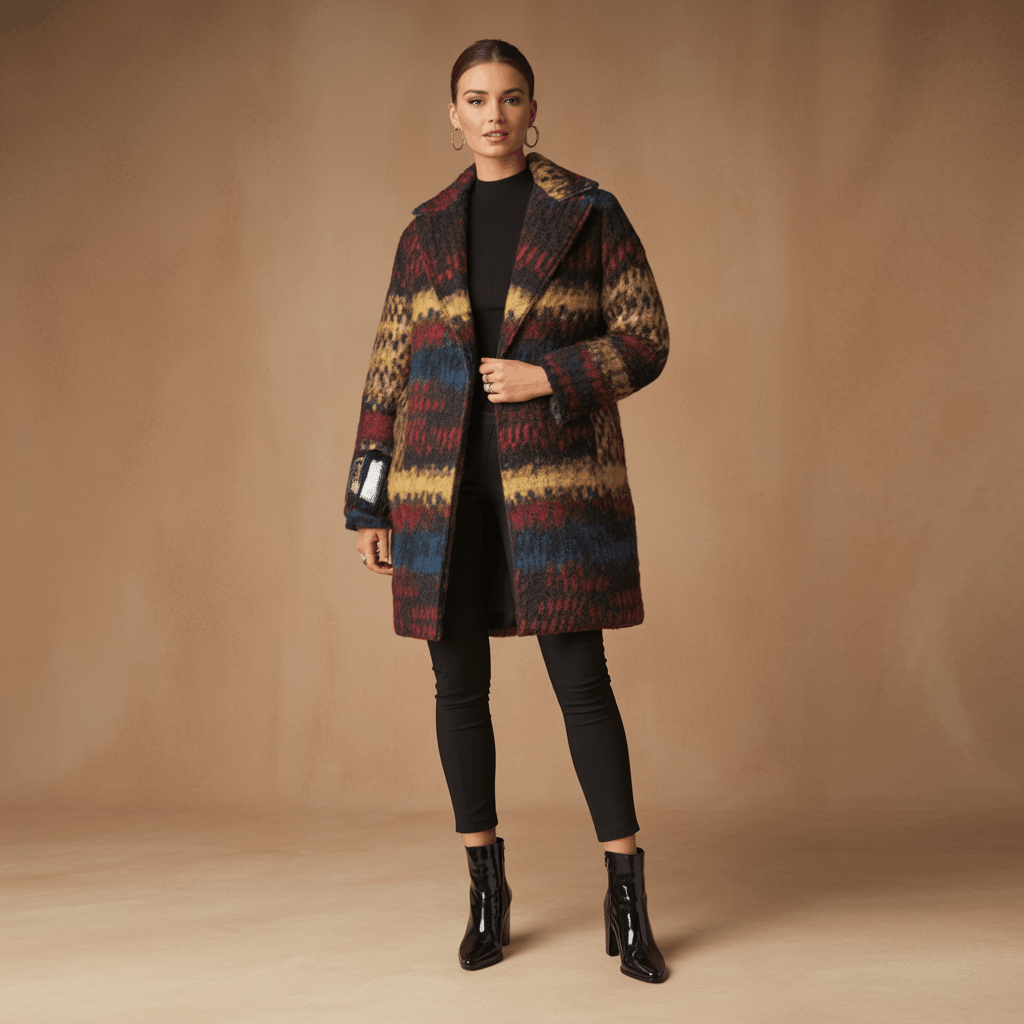
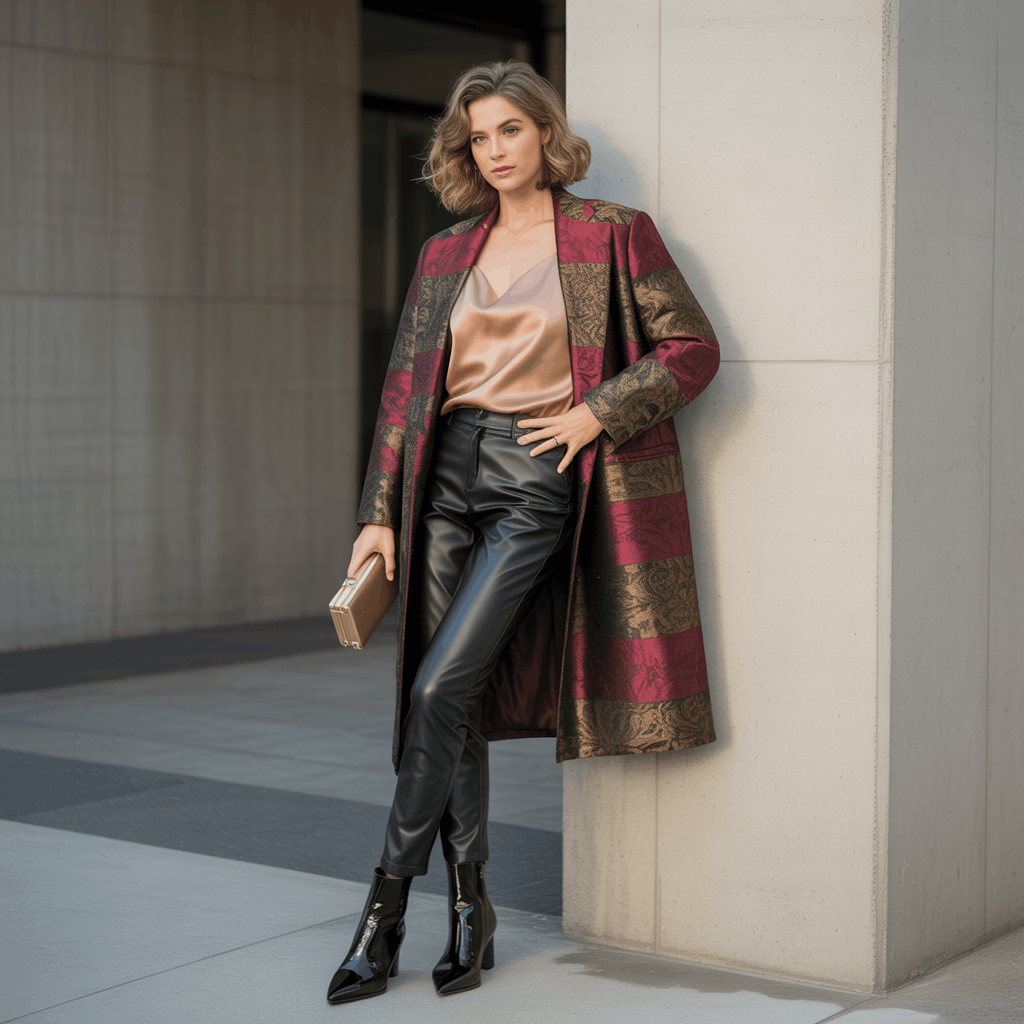
- The Fix: If your outerwear has a voluminous cut (cocoon, padded, oversized), keep the base slim and defined. Wear fitted tops with slim trousers—or fitted faux leather pants if you want a sharper edge. If you want extra help balancing volume and staying sleek, my stylish layering tips for fall will make this part way easier.
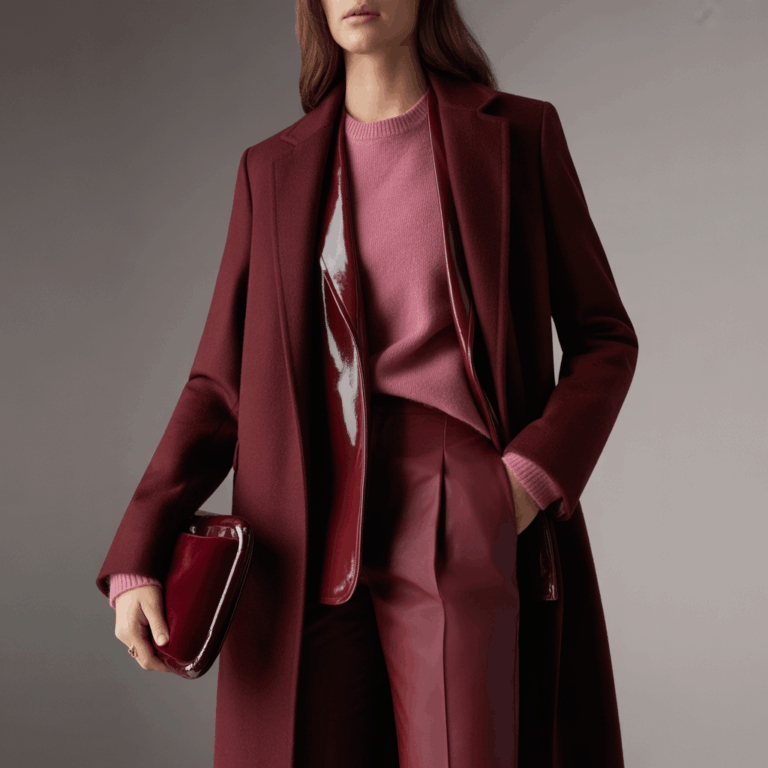
- Texture Play: Balance dense fabrics (tapestry, wool) with smooth or reflective pieces underneath. A satin skirt or a patent leather accessory (high-shine boots or a clutch) catches the light and instantly adds polish.
Rule B: Color Discipline
Neutrals anchor intense prints so the coat stays the focus.
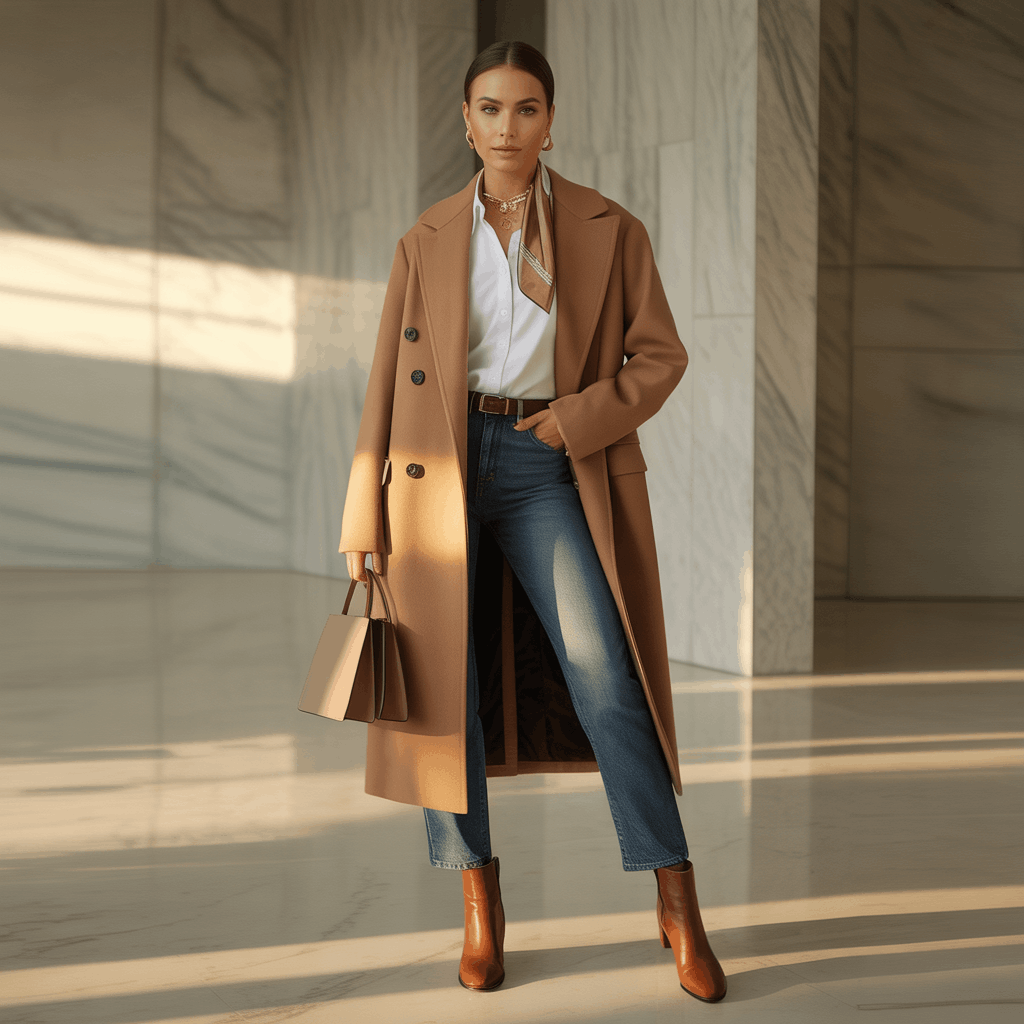
- Go Monochromatic: When the coat is printed, use one solid color underneath—black, navy, or warm camel—to keep the outfit clean.
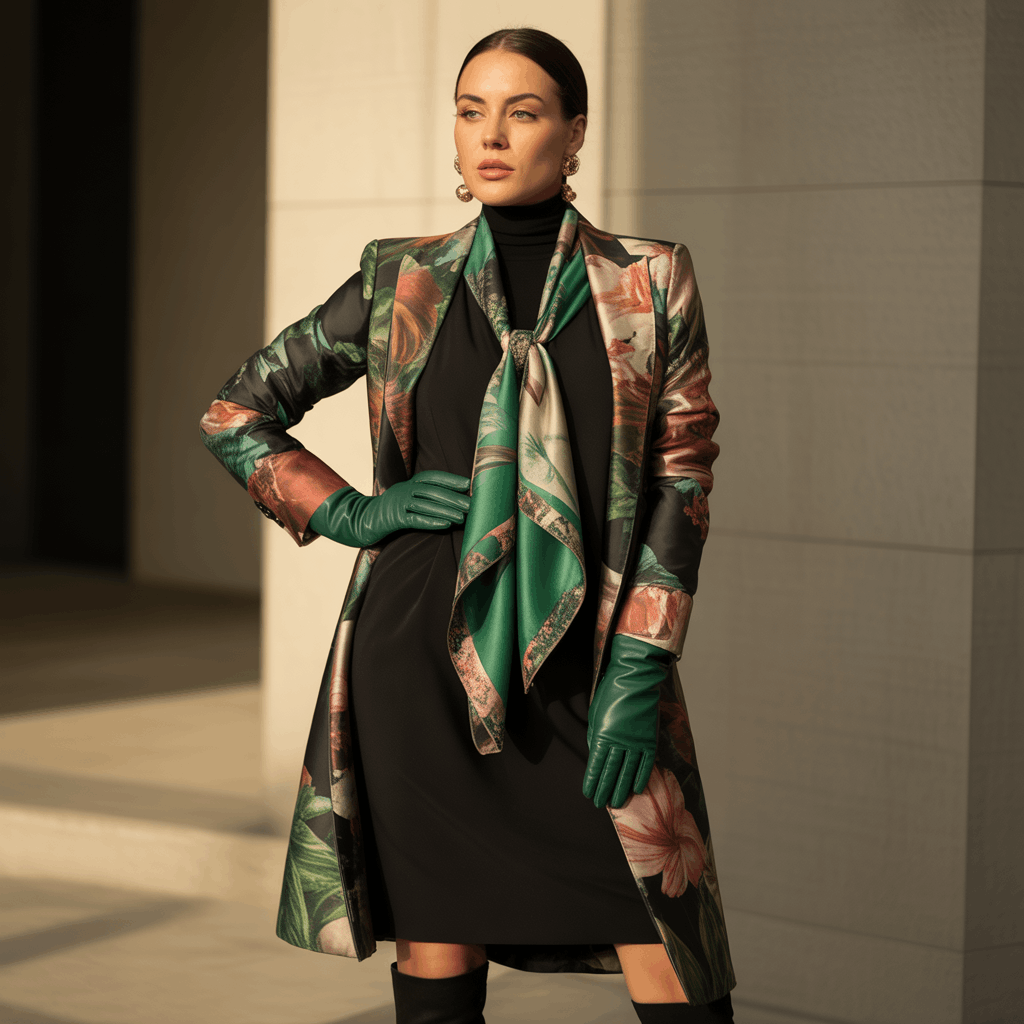
- Jewel Accents: Add one accessory in a rich tone (deep green, emerald) to pull out a color from the print—this trick works especially well for statement jacket womens styling because it looks deliberate, not loud.
Step 4: Time Your Purchase Strategically
Timing matters more than people admit. If you want the widest selection of prints and sizes—especially when coat trends winter drop—shop early in the season. If you care more about value, shop later when markdowns hit and you can still build strong winter coat styling options without paying full price. Either way, the best strategy is buying a piece you can actually wear often, because the most “worth it” coats always become the ones you style winter coats around on repeat.
| Priority | When to Buy | Expected Discount | Rationale |
|---|---|---|---|
| Widest Selection | July – September | Minimal (MSRP) | New Autumn/Winter drops arrive, so you’ll see the full range of prints, sizes, and early coat trends winter before anything sells out. |
| Maximum Value | January – February | 50% or more (Clearance) | Retailers clear post-holiday inventory fast, so you’ll find the deepest discounts on remaining stock. |
| Off-Season Staples | Late February/August | Moderate (20–40%) | Excellent time to pick up classic wool or simple pieces before the next seasonal rush. |


Step 5: Preserve the Investment (The Care Protocol)
A high-quality coat is built for longevity—but only if you treat it like the investment it is. These simple care steps protect the fabric, keep the structure sharp, and make sure your winter coat styling still looks expensive season after season. Think of it as the behind-the-scenes part of style with coat: the better your coat holds up, the more polished every outfit looks.
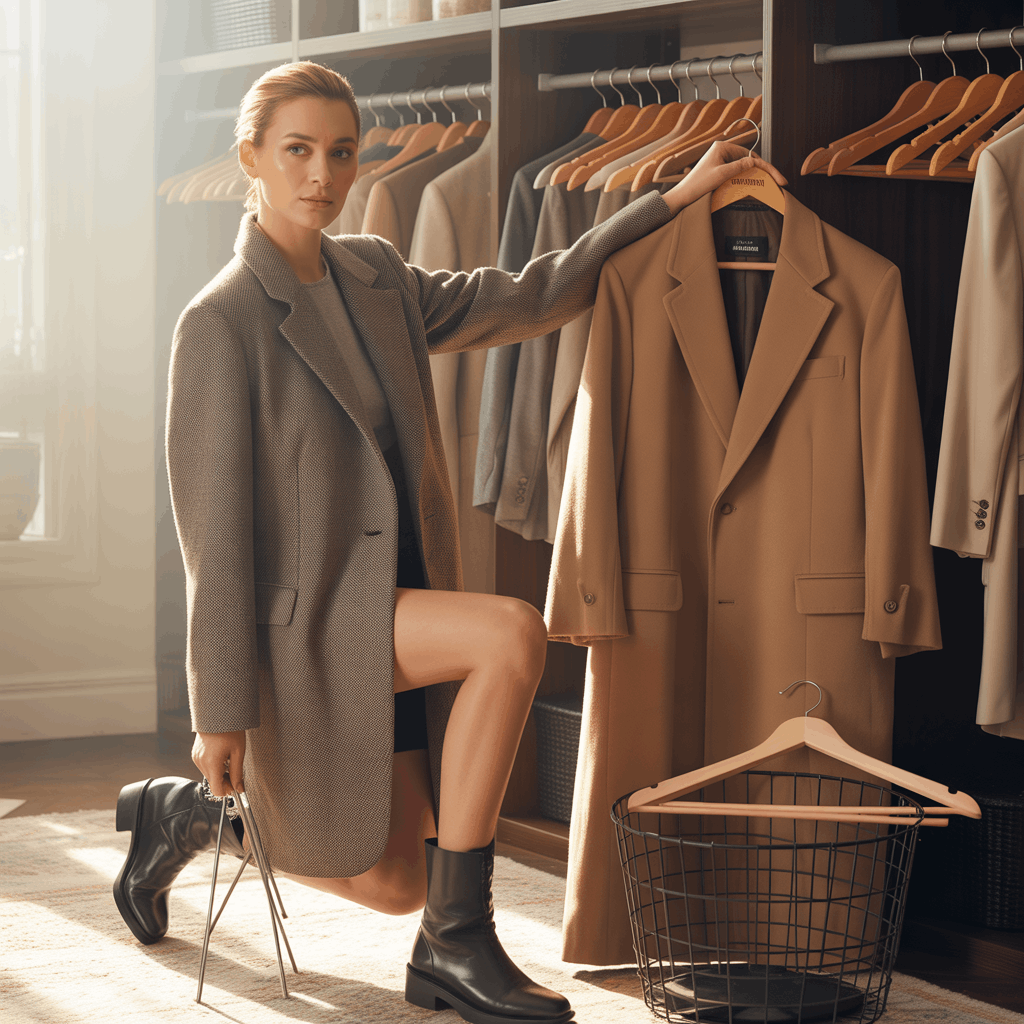
- Hangers: Skip flimsy wire hangers—they bend under the weight and ruin shoulder structure. Use wide, sturdy hangers (or cedar hangers) to support the coat and keep its precision fit.
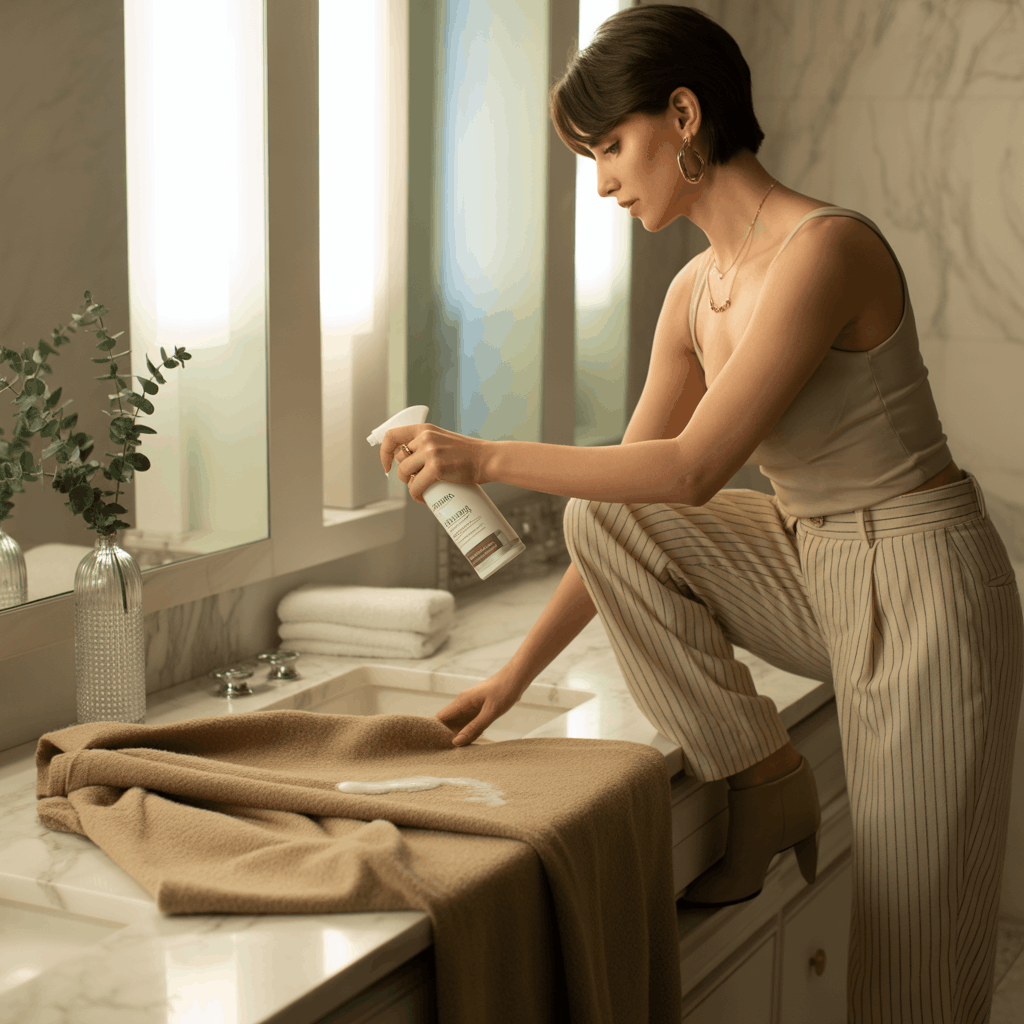
- Stain Management: Act fast and follow the “blot, don’t rub” rule. Rubbing pushes stains deeper into delicate fibers like wool and velvet and makes them harder to remove.
- Storage: Store coats in breathable cotton or canvas garment bags in a cool, dry place. Avoid plastic dry-cleaner bags because they trap moisture, encourage mildew, and can leave deep creases—this wool care guide explains the storage basics really clearly if you want a quick reference.

Conclusion: A Hero Coat, Styled the Smart Way
Tapestry and dark floral coats work because they do the heavy lifting for your whole outfit. One well-chosen piece gives you that “Crafted Opulence” vibe instantly—but only if you choose it with intention and style it with balance.
First, quality matters. Woven texture (think jacquard or brocade) looks richer than flat prints, and dark florals feel elevated when the blooms sit on deep, shadowy backgrounds. Then fit seals the deal: precision shoulders, the right silhouette for your frame, and small tailoring tweaks like sleeve length and side tapering can turn a “nice coat” into an expensive-looking signature layer.
Styling stays simple: follow the “One Coat, One Story” rule. Keep base layers slim if the coat has volume, use smooth textures to contrast dense fabric, and anchor bold prints with neutrals like black, navy, or camel. Add one jewel-tone accent if you want—just one—so the look feels styled, not chaotic.
Buy smart, too. Shop early for the best selection, shop later for the deepest discounts, and use off-season windows to grab staples before the next rush. Finally, protect the investment: wide hangers, blot-not-rub stain care, and breathable garment storage keep the coat looking luxe for years.
Do these five steps and your coat won’t just look trendy—it’ll look intentional, modern, and expensive every single time you wear it.