Winter Coat Styling Guide: 21 Coat Types, Fits & Outfit Ideas”
The winter coat is the single most important hero piece of the cold season. It doesn’t just protect you—it’s the signature layer that sets the tone for your entire look. The best winter coat styling always comes down to smart balance: precision fit, real warmth, and a silhouette that flatters instead of swallowing you.
If you’ve ever stood in front of your closet wondering why some winter coat outfits look instantly polished while others feel “off,” the coat style usually explains it. That’s why this guide breaks down a taxonomy of 21 essential women’s coat types, grouped by what they’re designed to do: structural longevity, performance function, or pure aesthetic impact.
I. Tailored and Classic Forms (Focus: Structural Longevity)
These garments are the architectural core of the wardrobe, built on formal tailoring and enduring design principles for maximum versatility and professional polish.
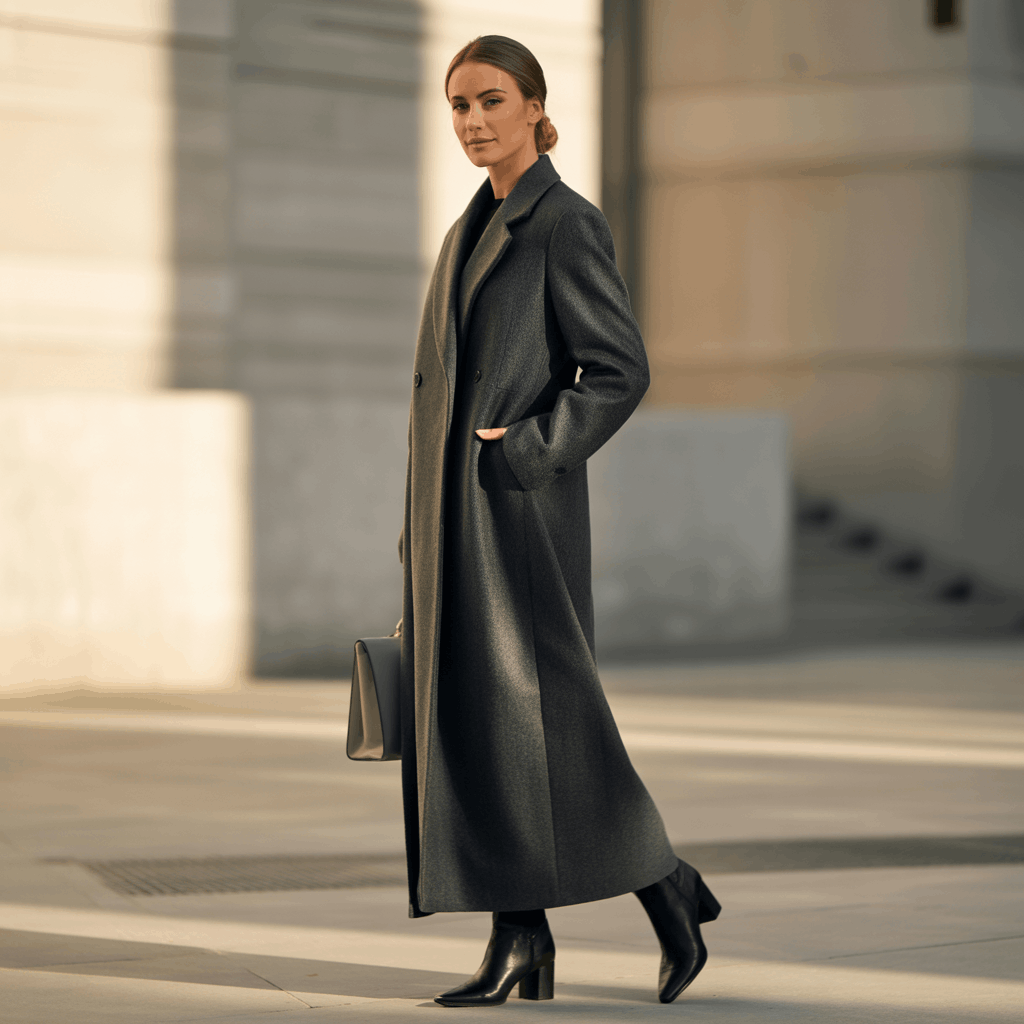
- Overcoat: A heavy, full-length tailored outerwear piece (often made of wool or cashmere). It’s the ultimate classic choice for elegance, offering full coverage and longevity—an ideal overcoat for winter.
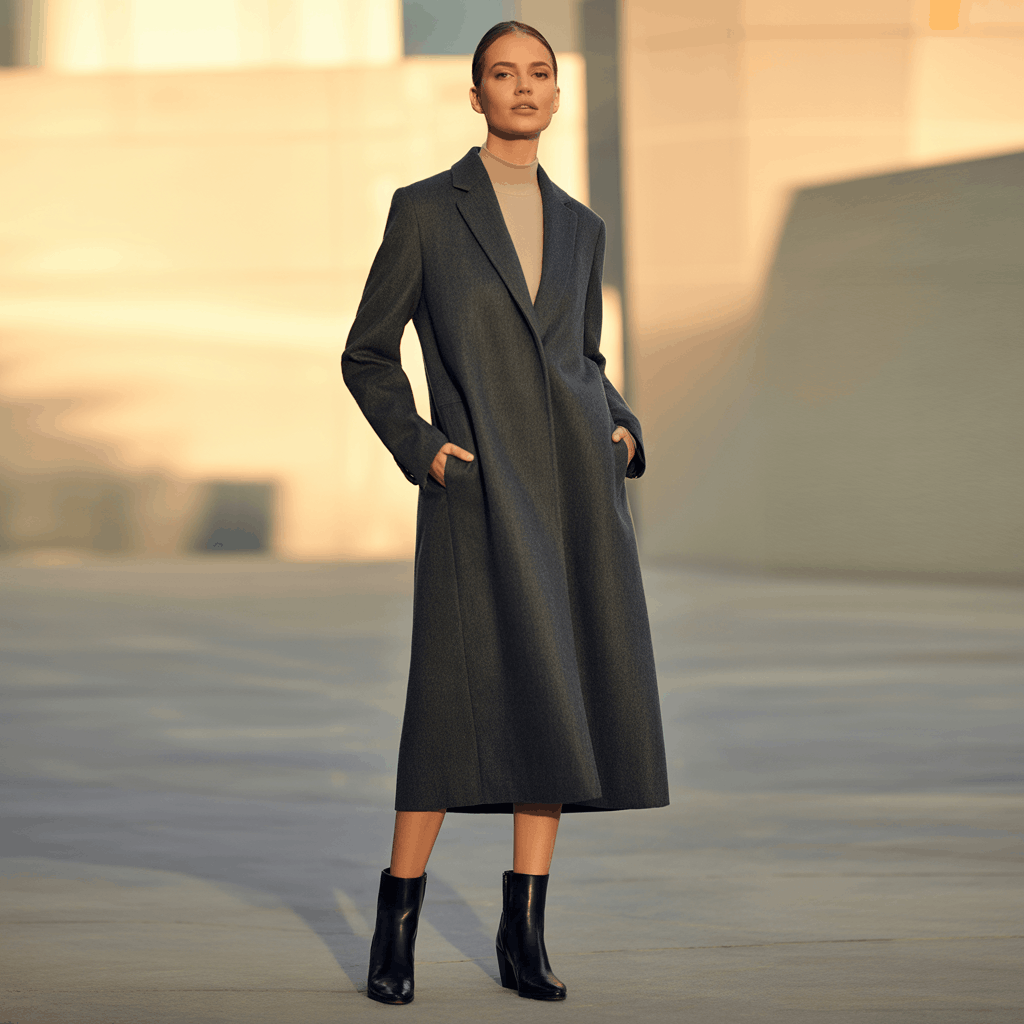
- Topcoat: Similar to an overcoat but typically knee-length and lighter in weight. It works as an easy top coat outfit layer—slightly less formal, more flexible, and perfect for year-round wear.
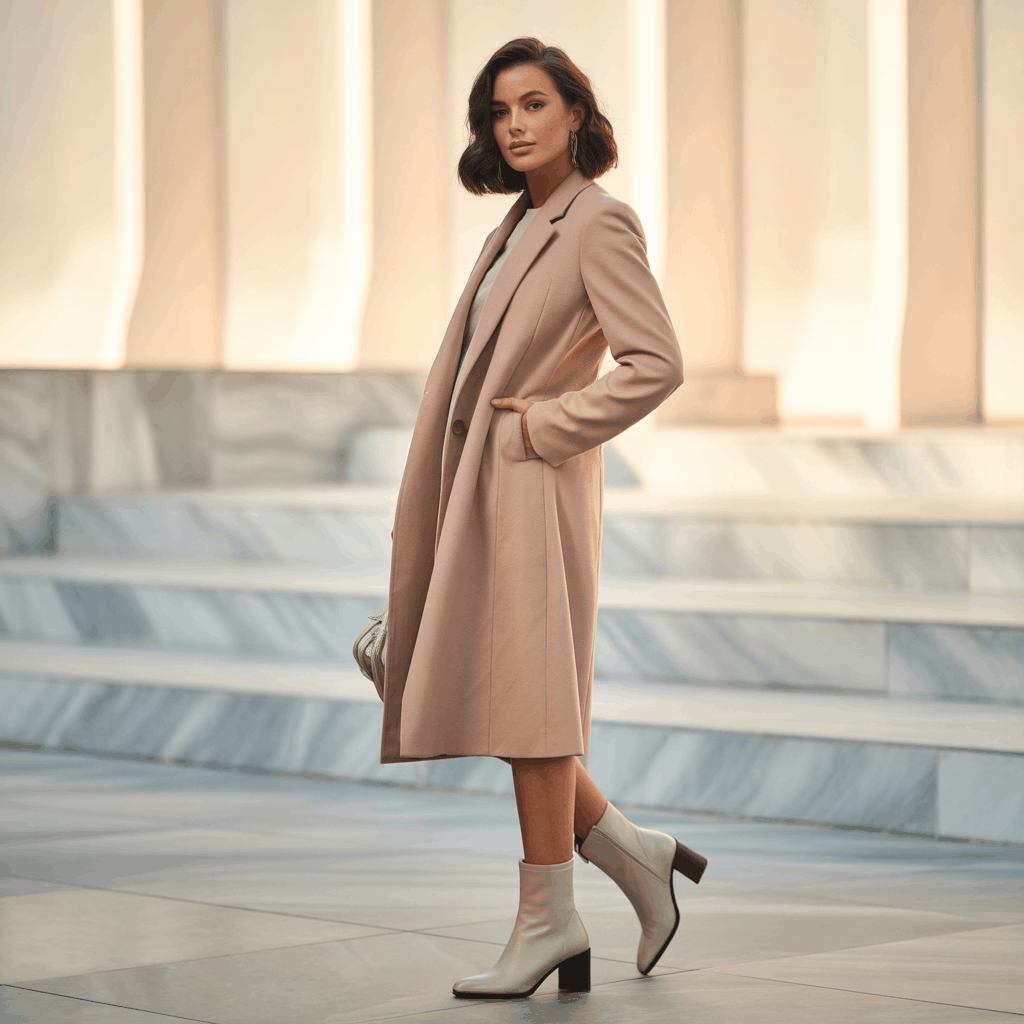
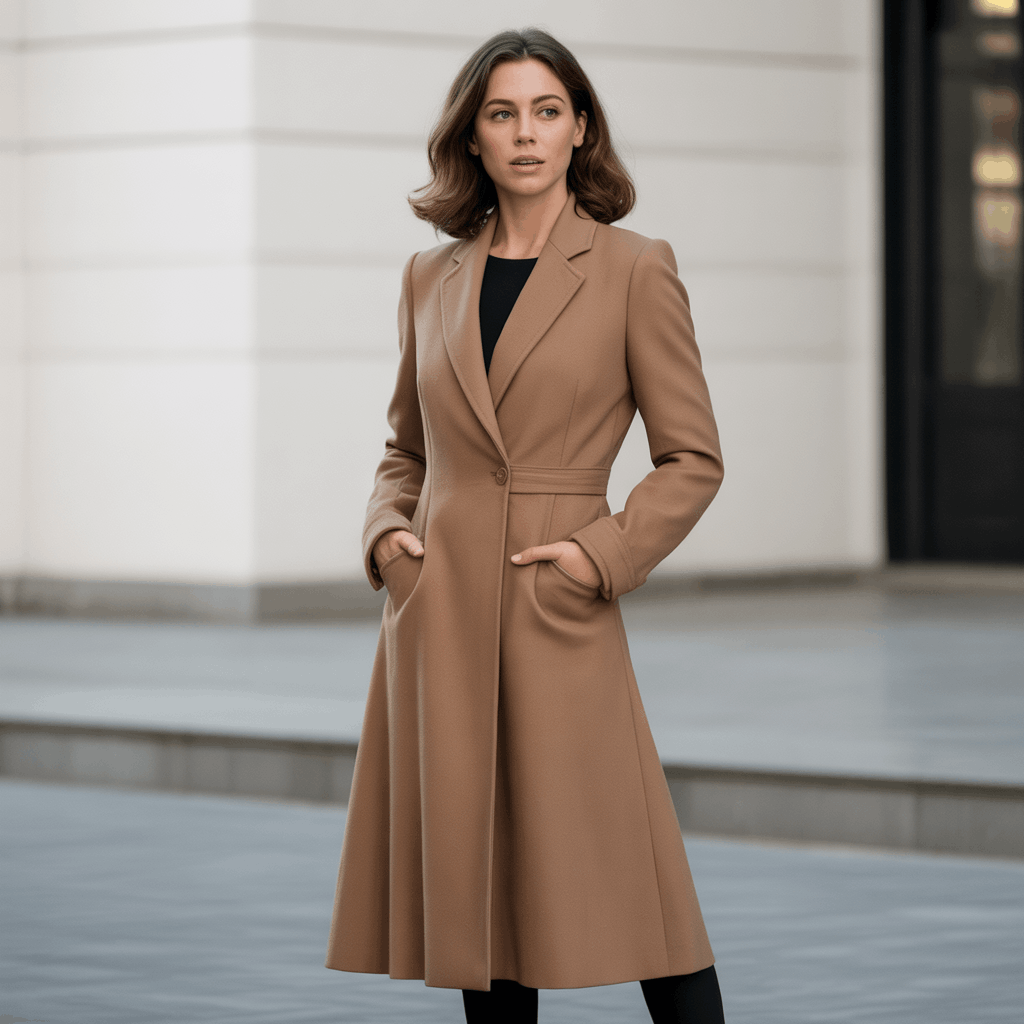
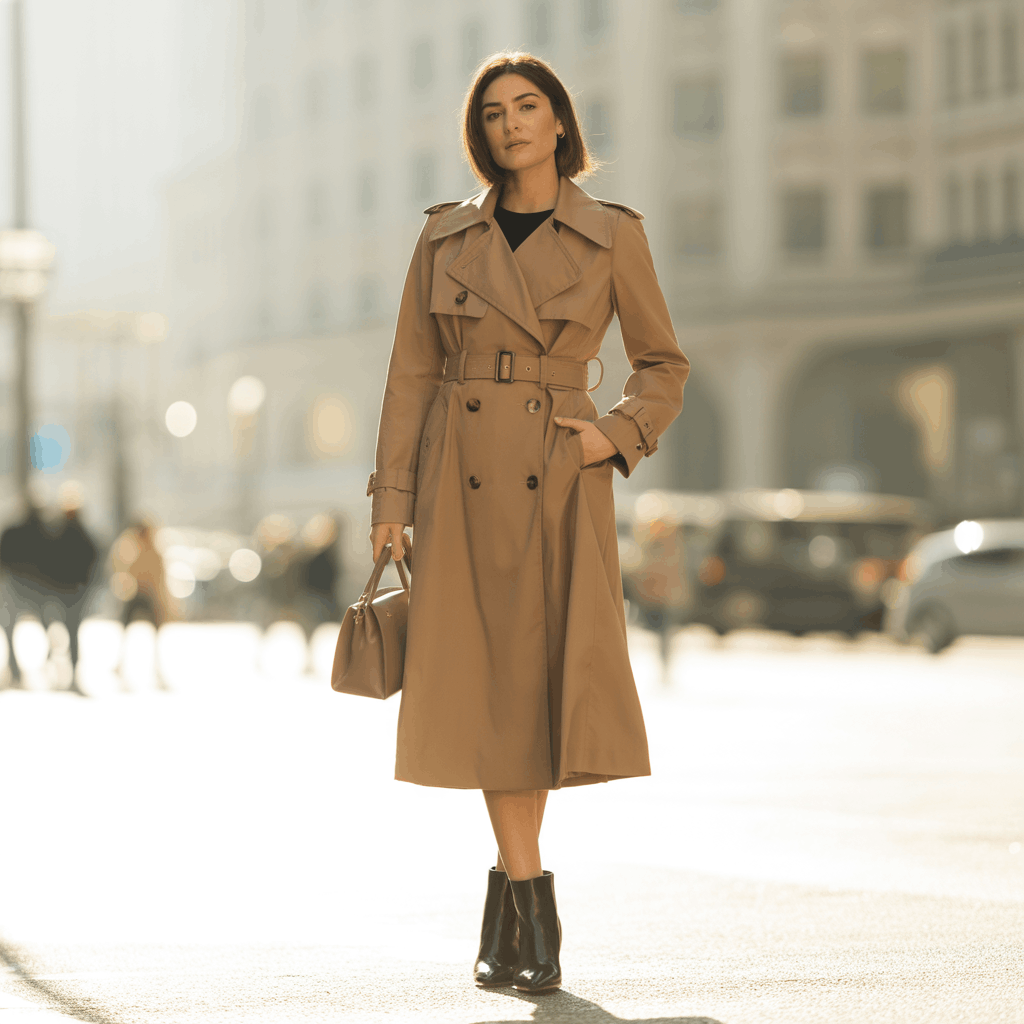
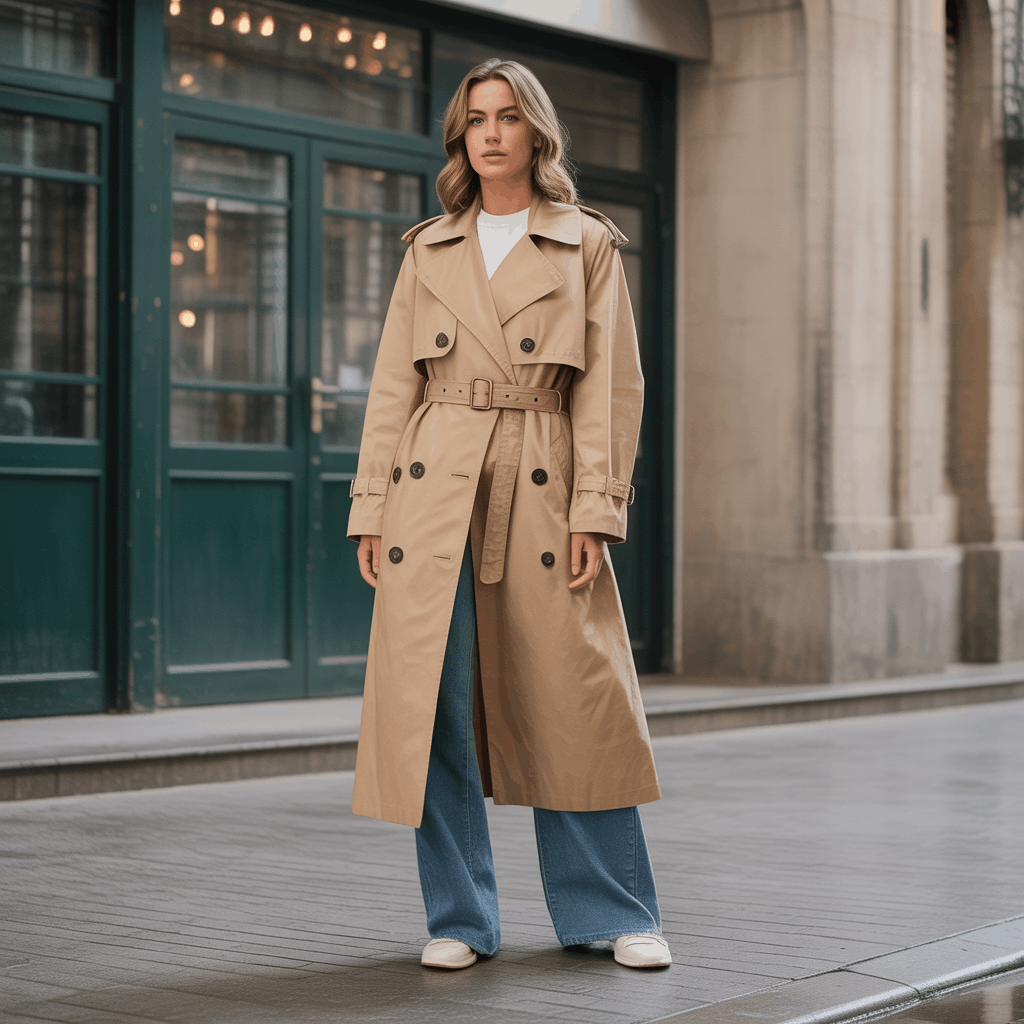
- Trench Coat: A timeless, double-breasted structured overcoat secured by a belt. It’s instantly recognizable by its wide lapels and water-resistant fabric, making it a go-to for style winter coats in transitional, rainy weather.
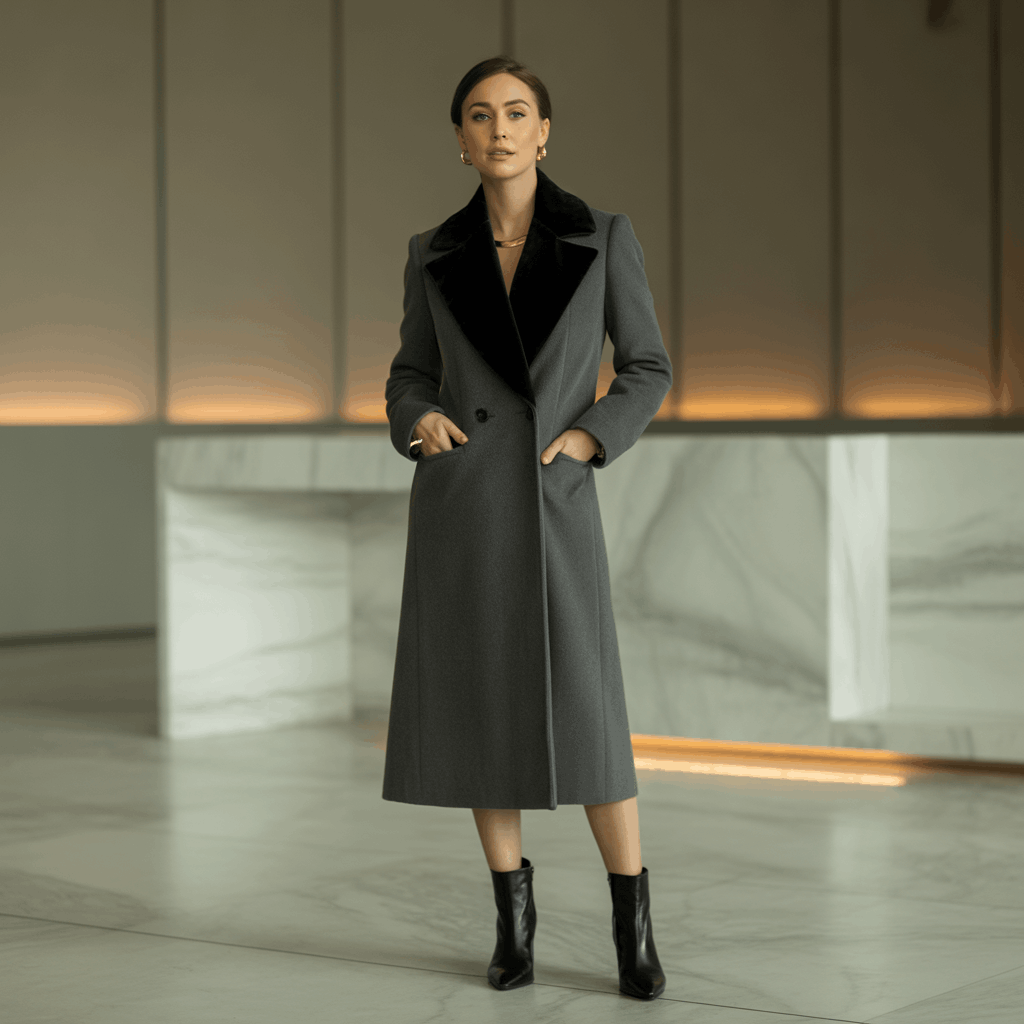
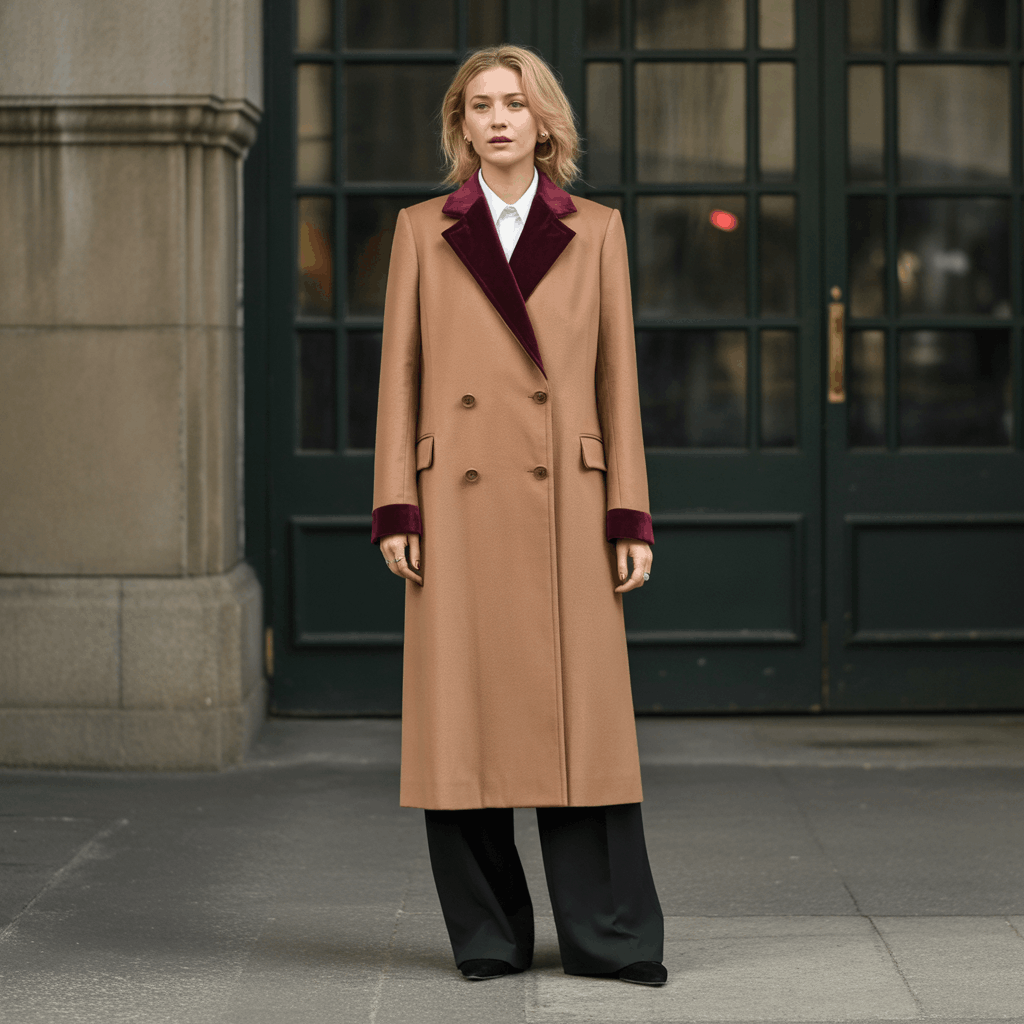
- Chesterfield Coat: A formal, highly-tailored coat that often features a distinct velvet collar. This is the smart coat choice for business settings or elegant evening wear
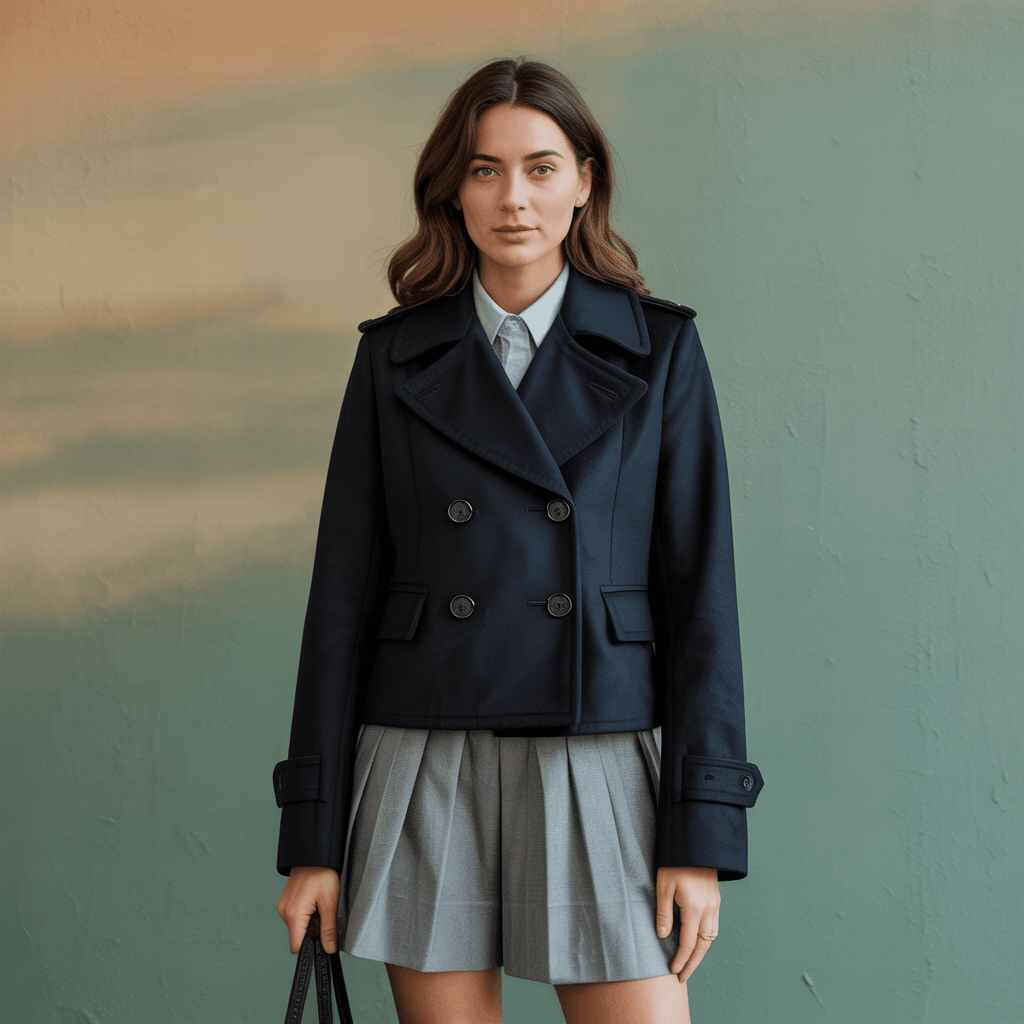
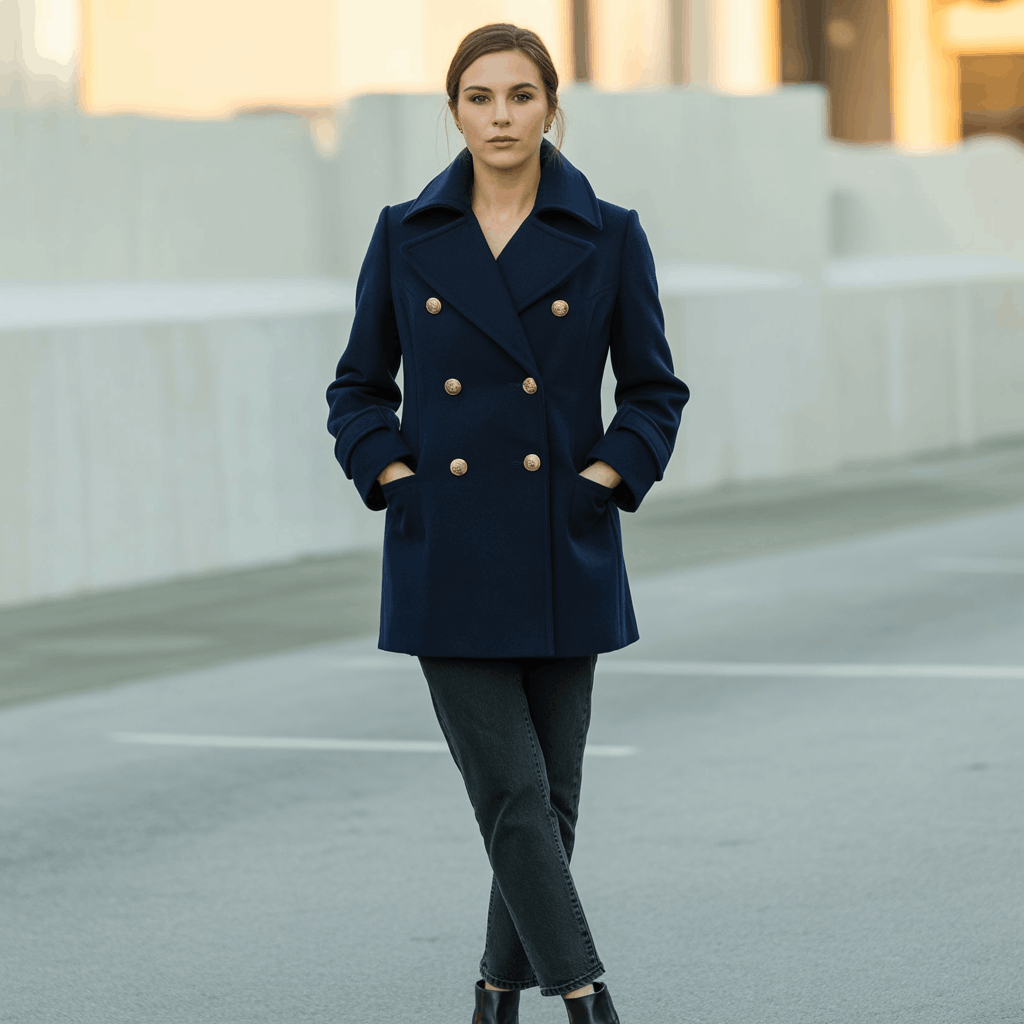
- Pea Coat: A short, heavy wool, double-breasted jacket with large lapels. Its naval-inspired regimental style creates a sharp silhouette that projects authority—perfect for polished winter coat outfits.
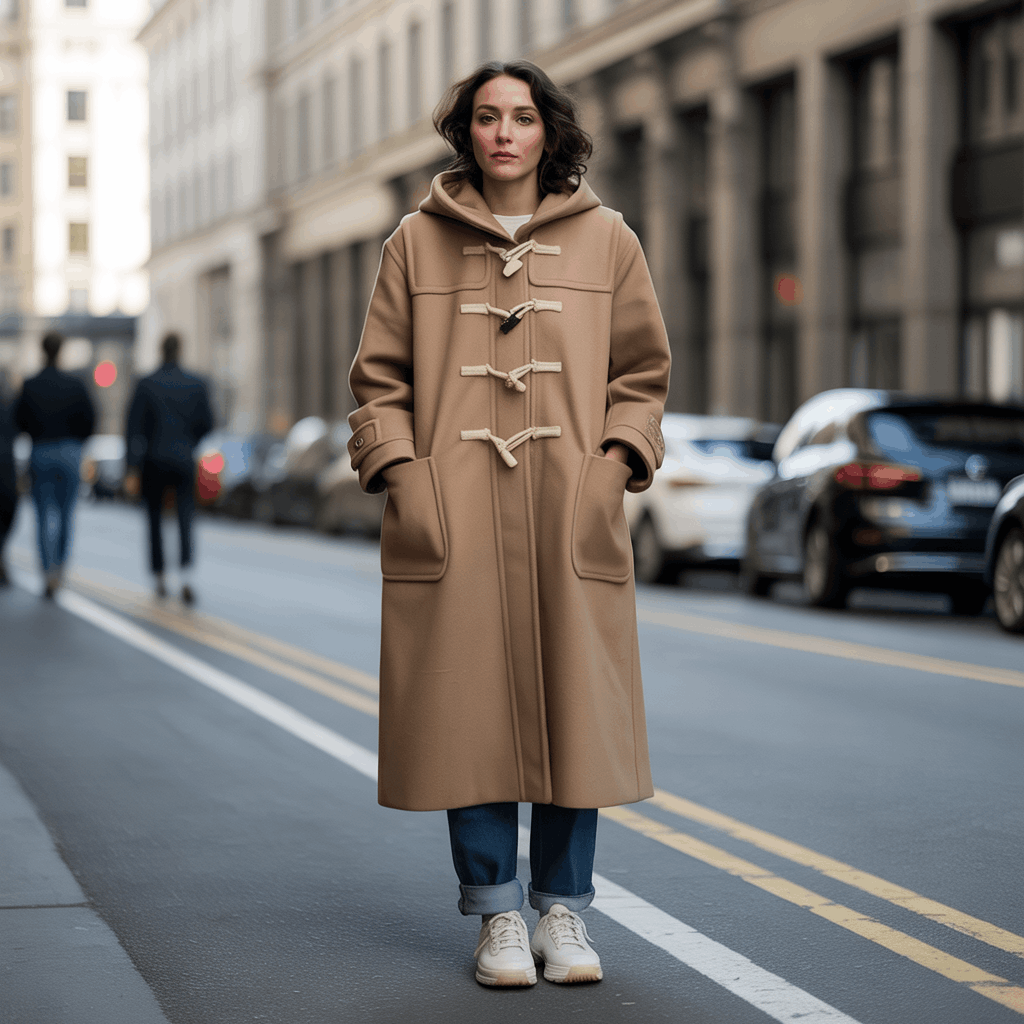
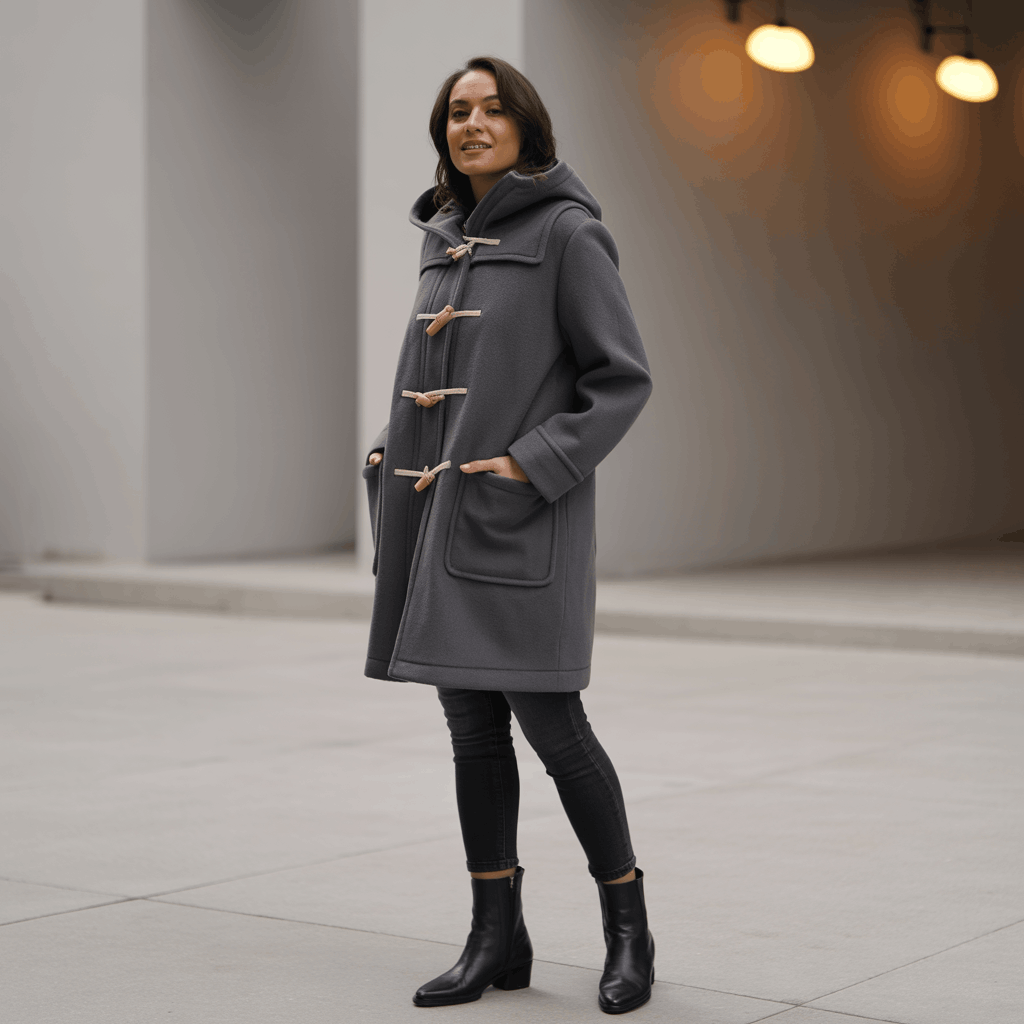
- Duffle Coat: A heavy, casual wool coat distinguished by its unique toggle fastenings and attached hood. It delivers a relaxed, utilitarian look that works especially well in winter coat styling for everyday wear.
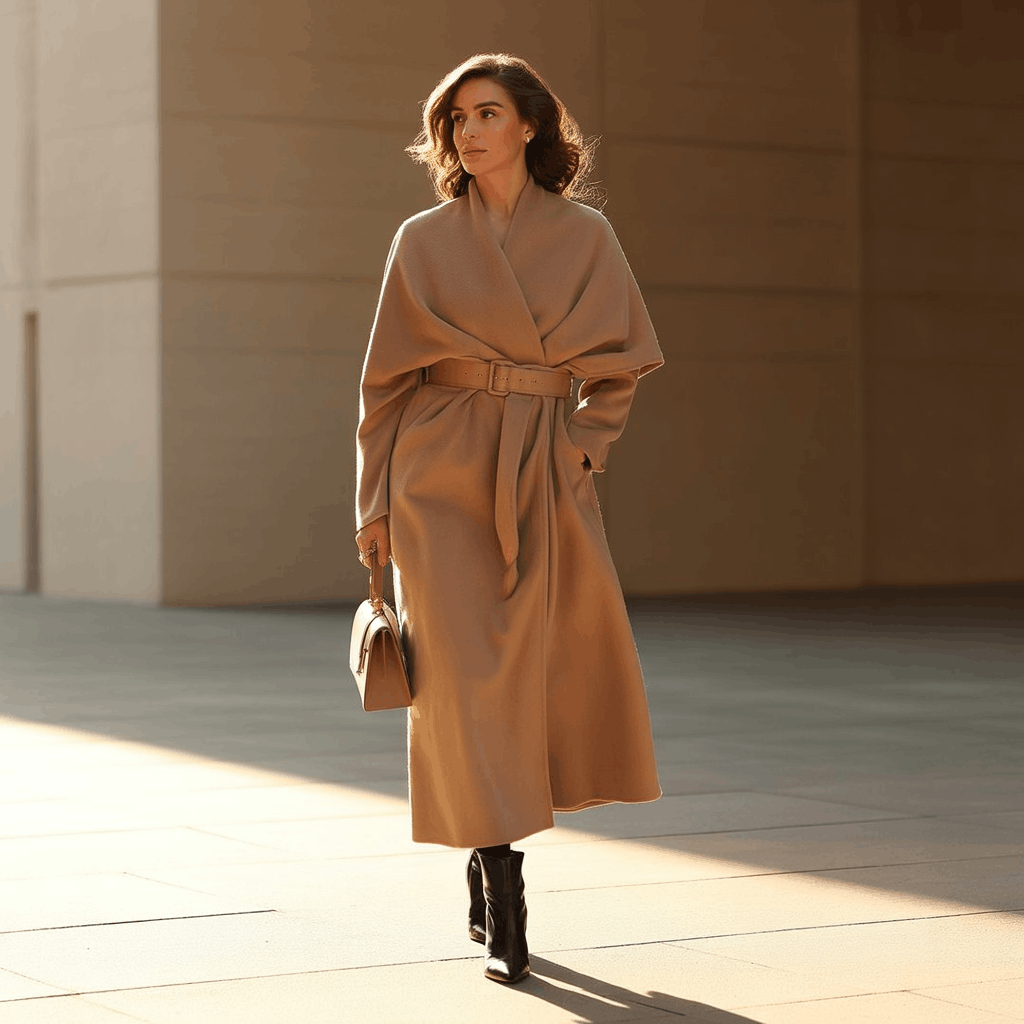
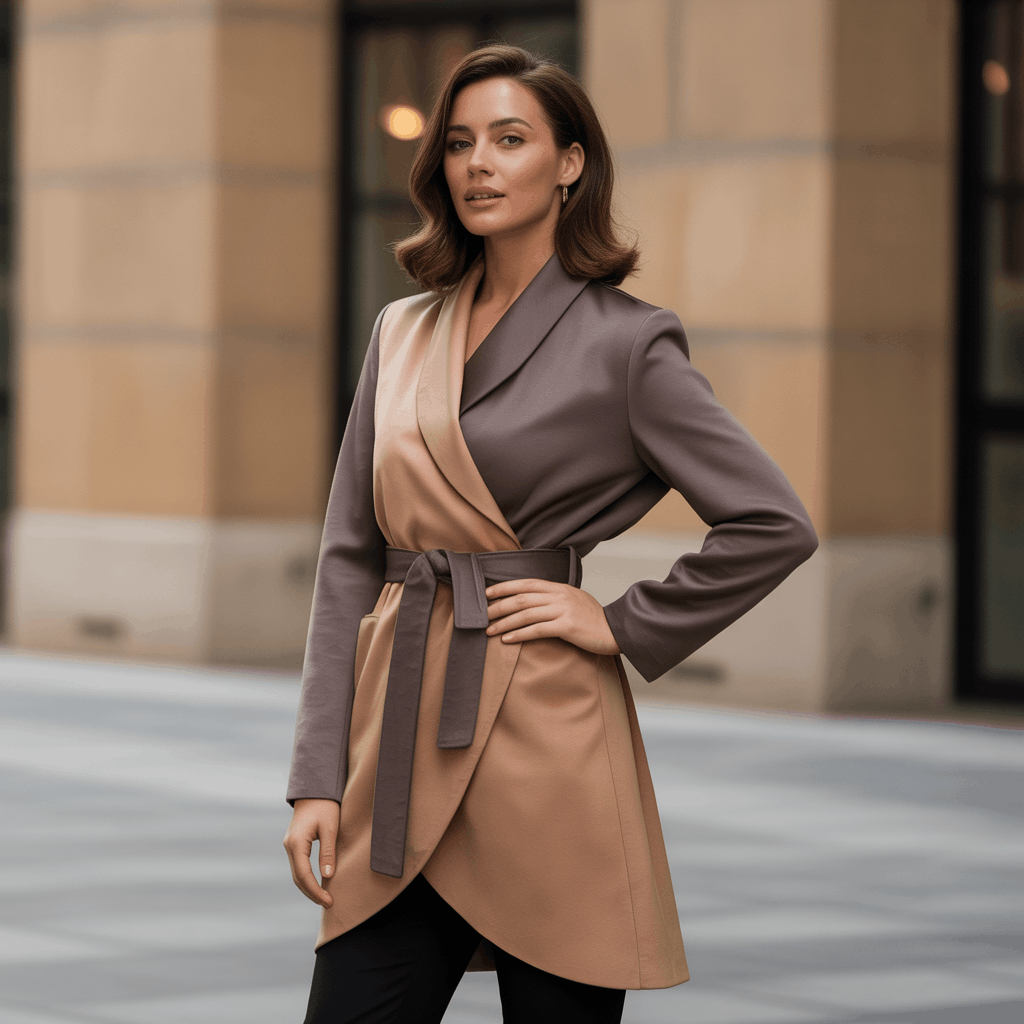
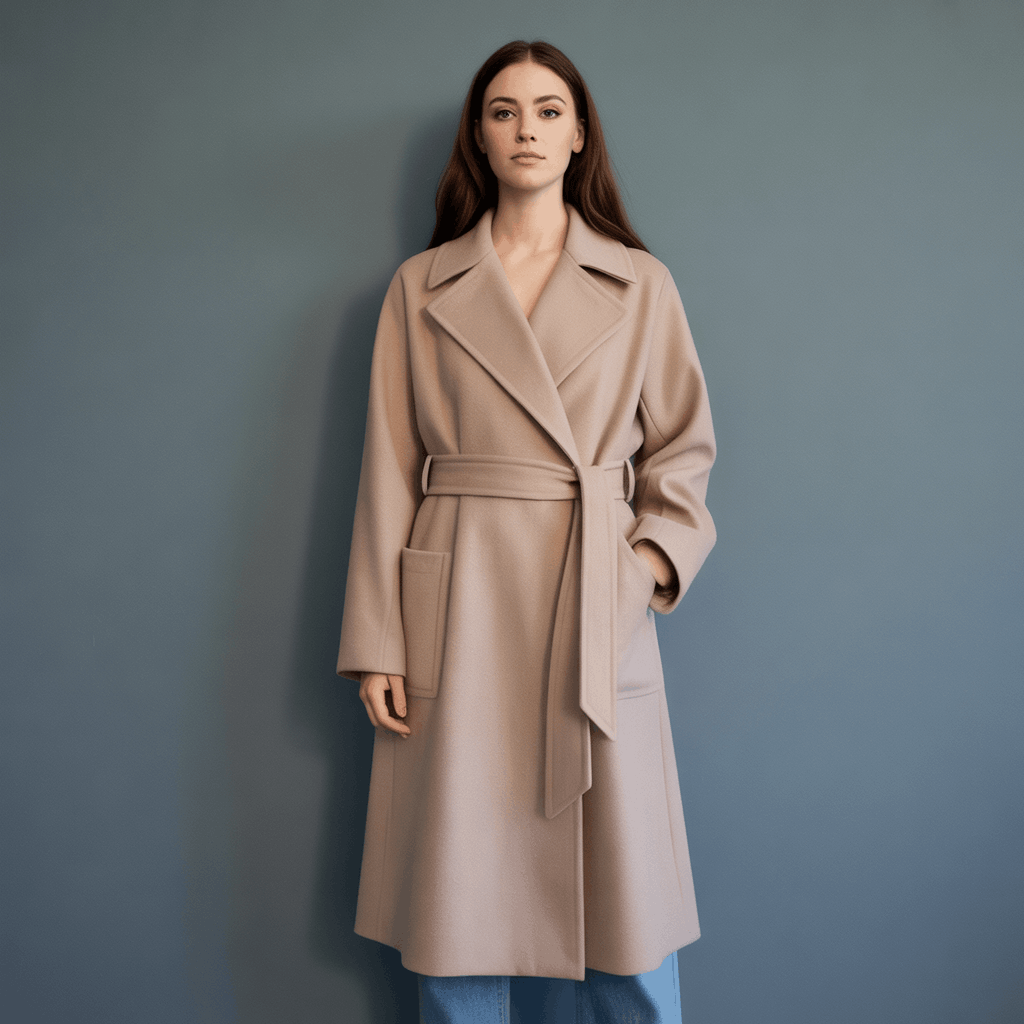
- Wrap Coat: An elegant style that closes by wrapping across the front and securing with a belt rather than buttons. This soft design effortlessly accentuates waist definition and makes how to wear a coat look polished without feeling stiff.
II. Technical and Performance Styles (Focus: Thermal Efficiency)
These coats are engineered for protection, prioritizing high-level insulation, wind resistance, and water-repellent performance for harsh weather.
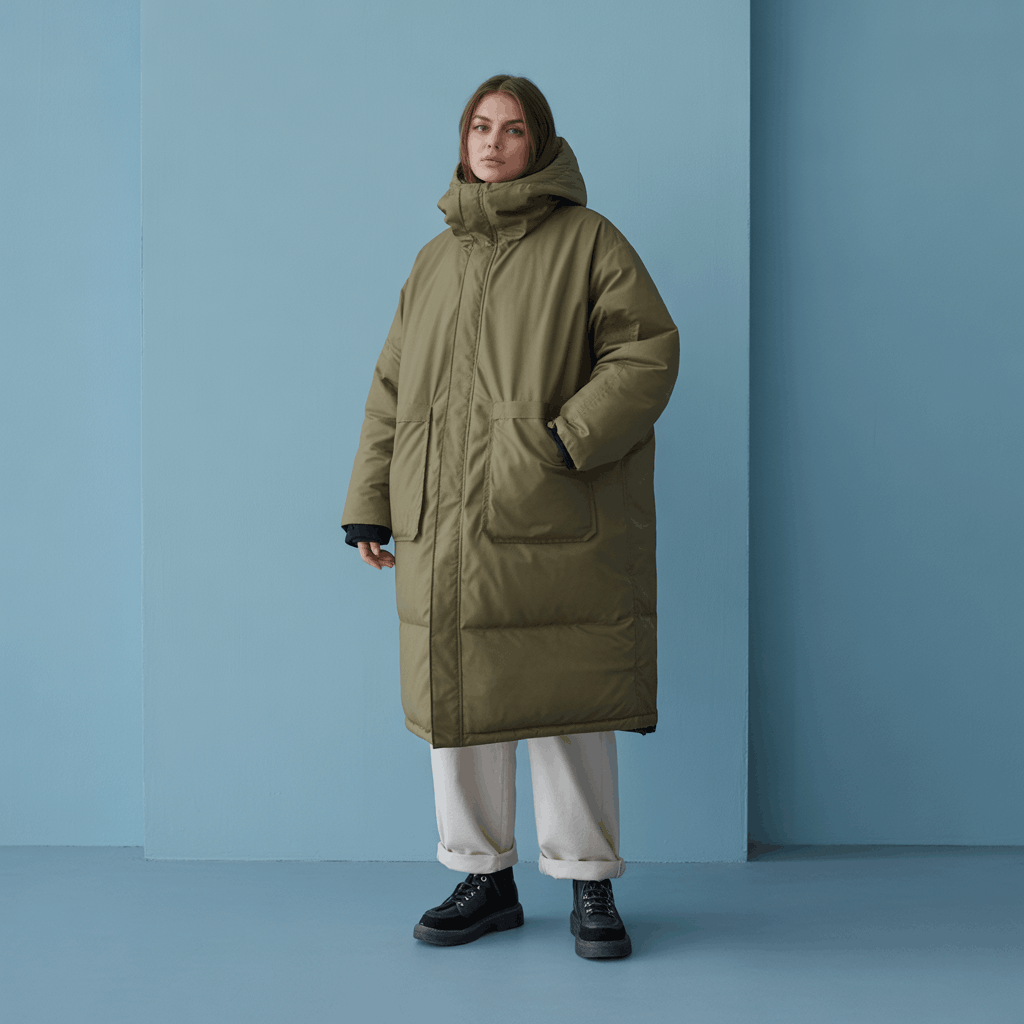
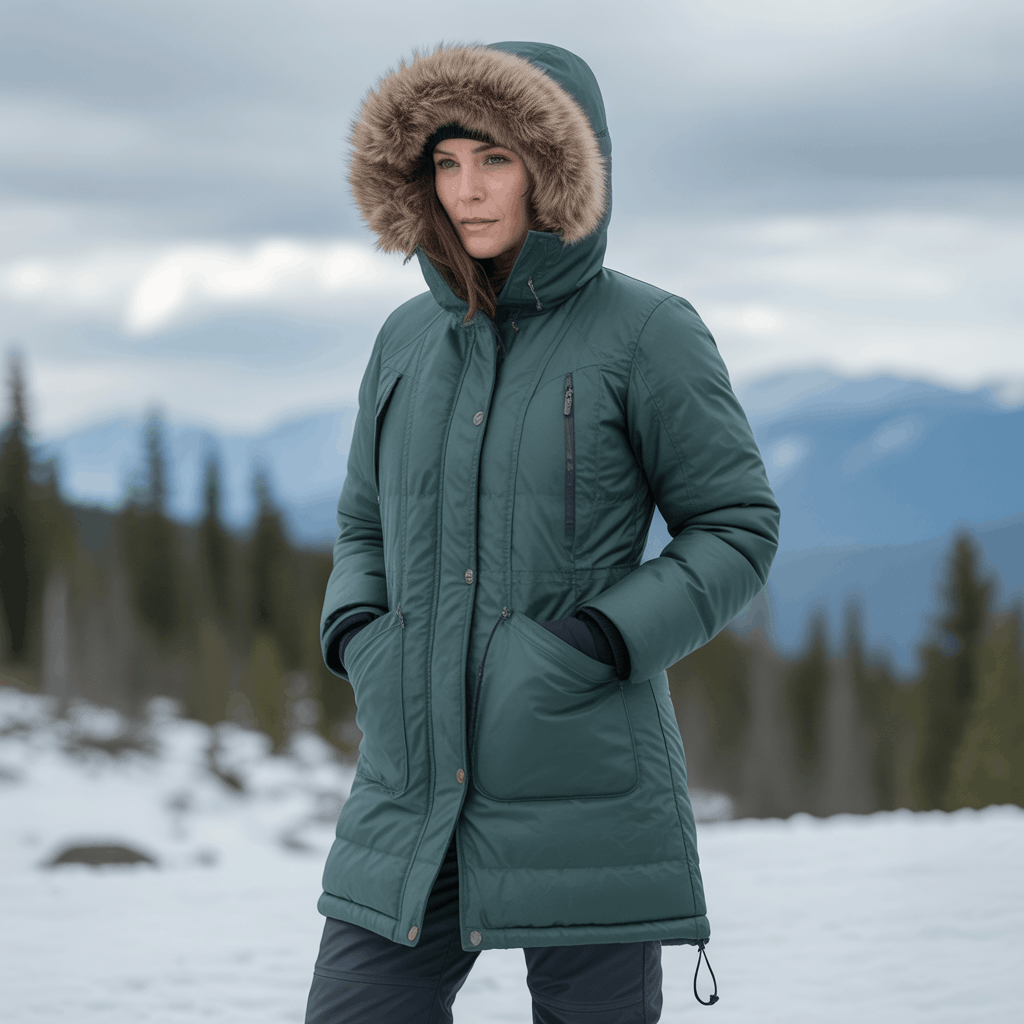
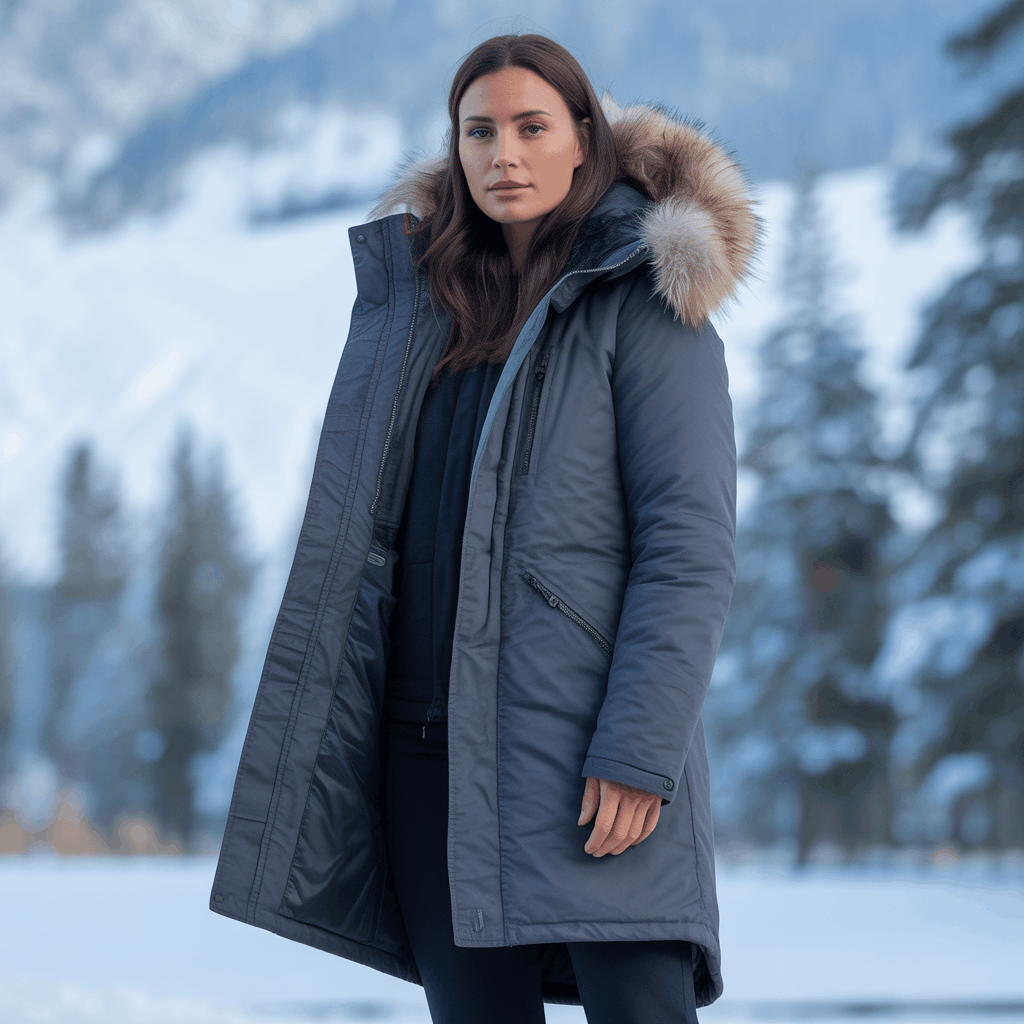
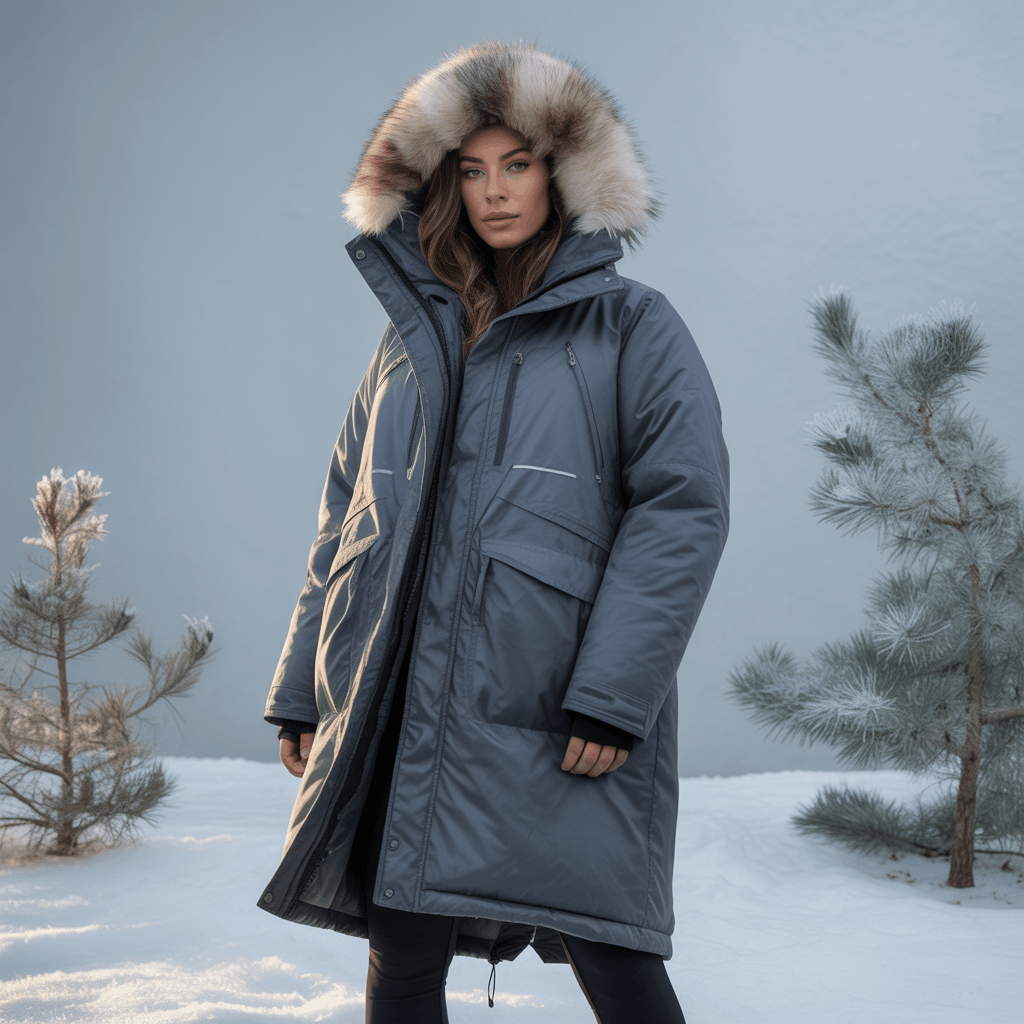
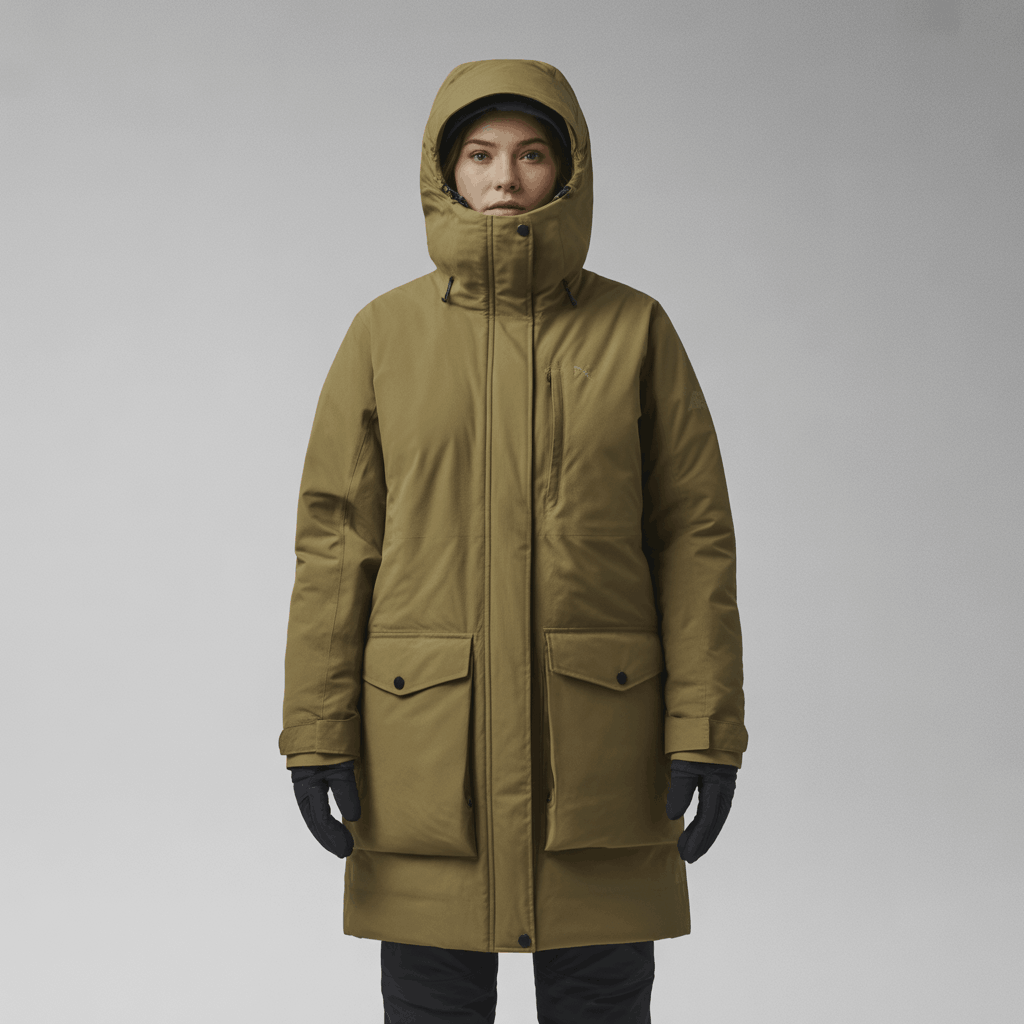
- Parka: The go-to outerwear essential for deep cold. This long, heavily insulated coat (often down-filled) features a thick hood and delivers superior wind protection and maximum coverage—ideal for practical winter coat styling.
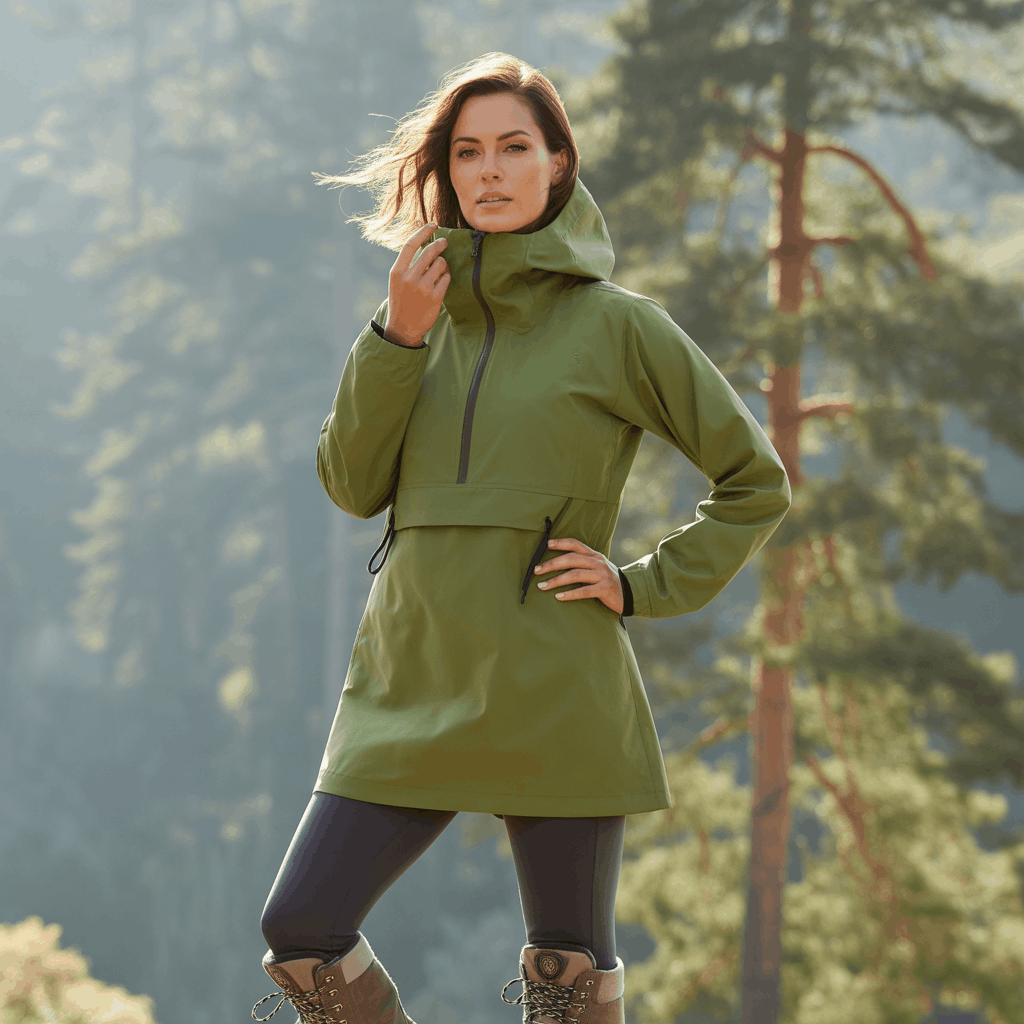
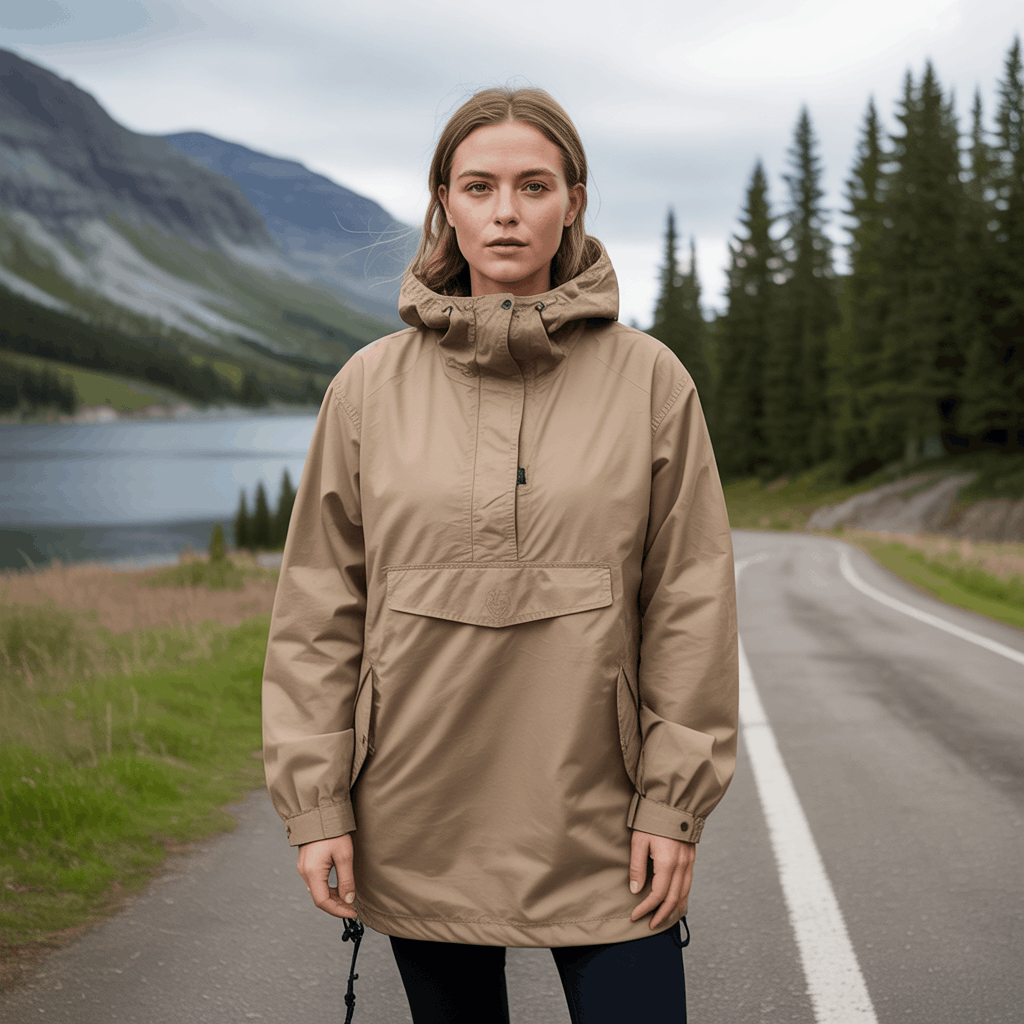
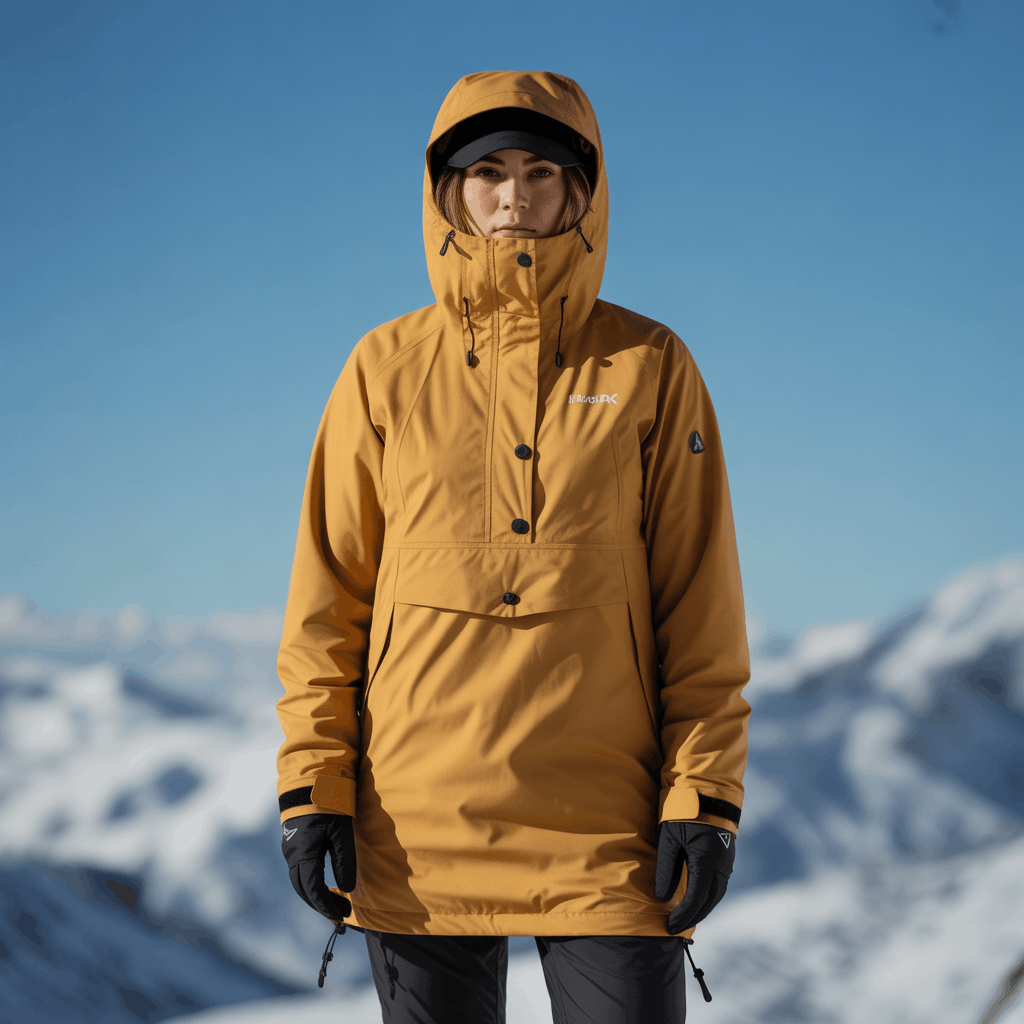
- Anorak: A hooded pullover jacket that’s typically shorter than a parka and doesn’t have a full front opening, making it an excellent windproof shell for active days—perfect for a practical style with coat approach.
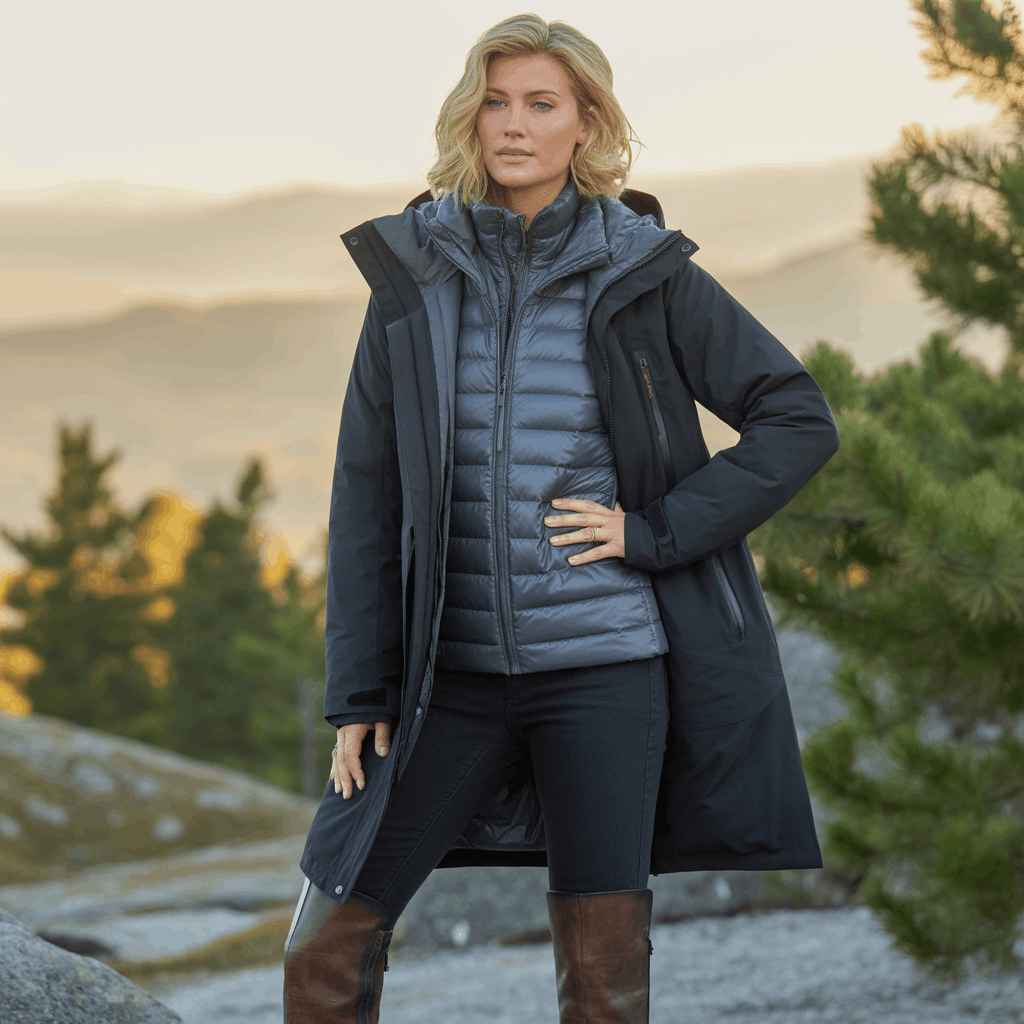
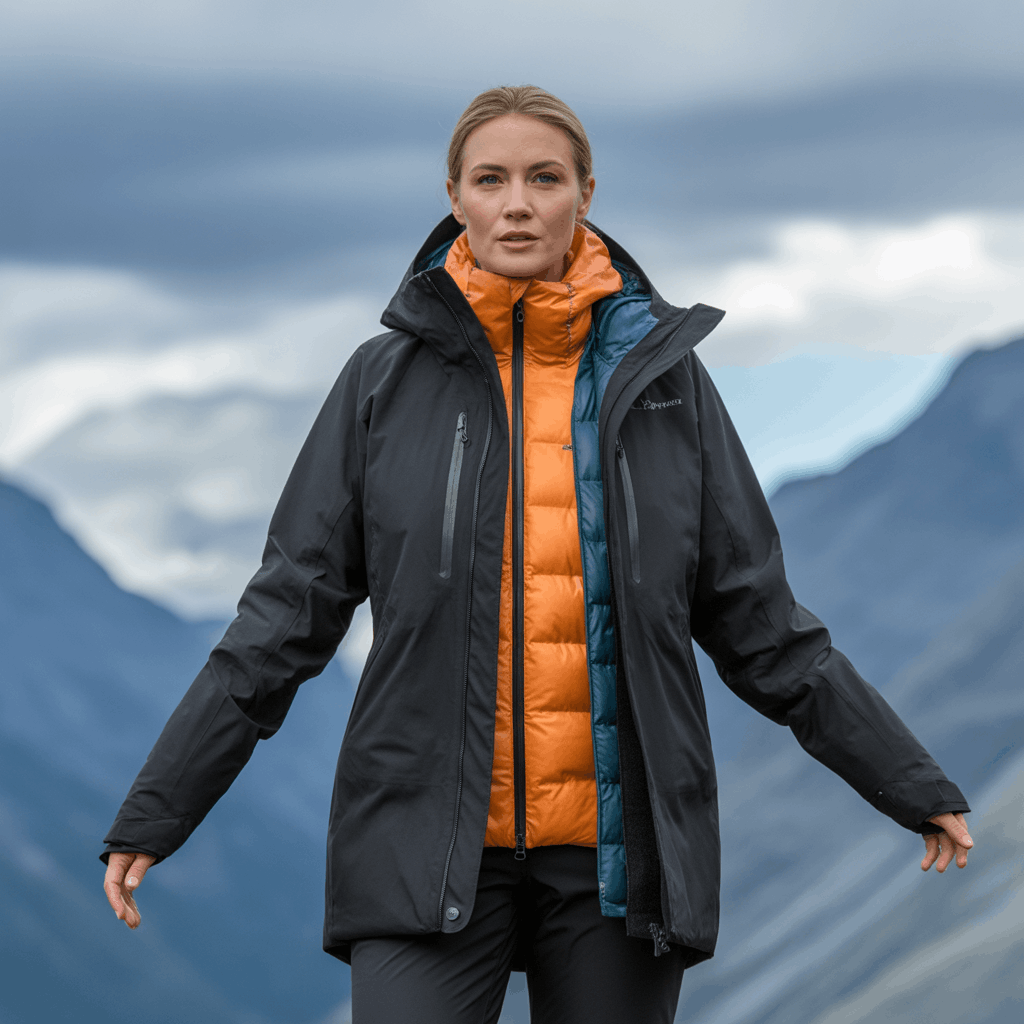
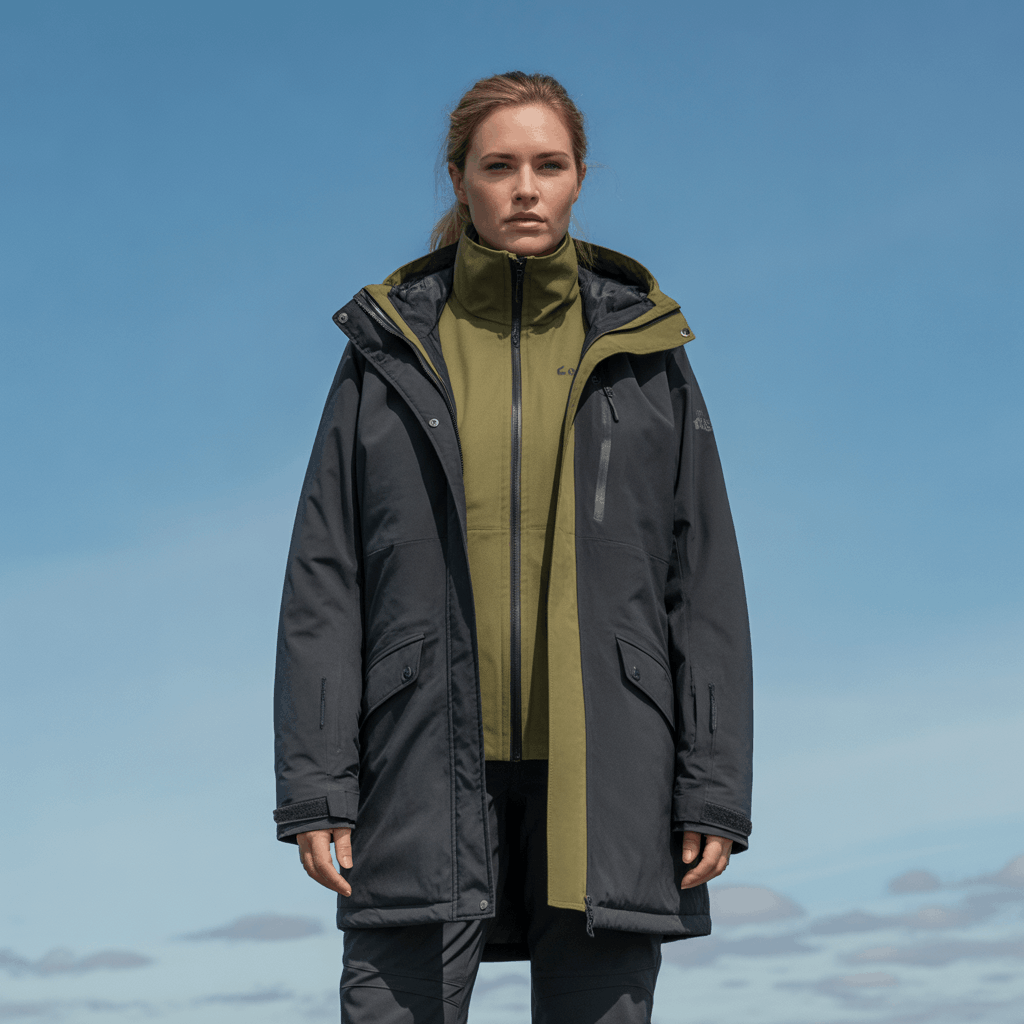
- 3-in-1 System: A specialized investment piece designed for maximum versatility. It combines a waterproof outer shell with a removable insulated inner jacket (down or fleece), making it ideal for winter coat styling when temperatures swing dramatically.
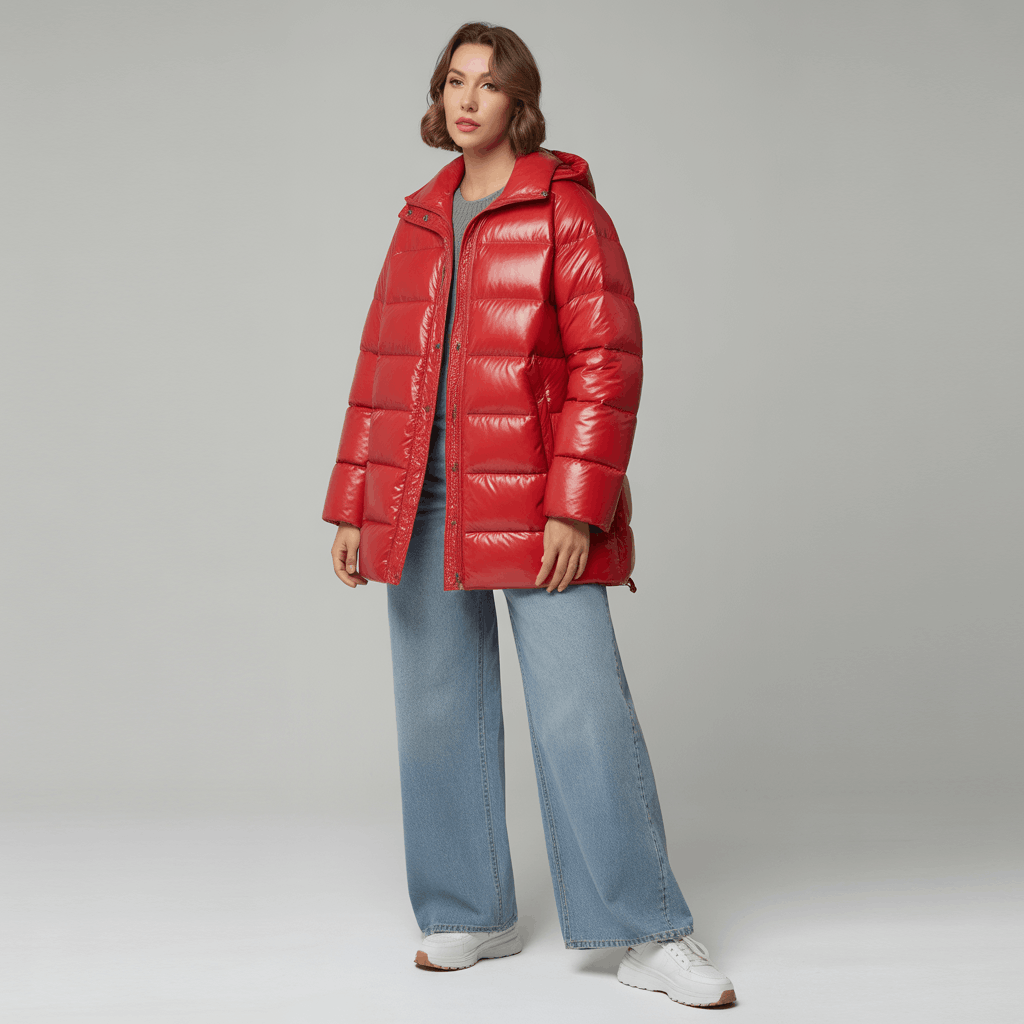
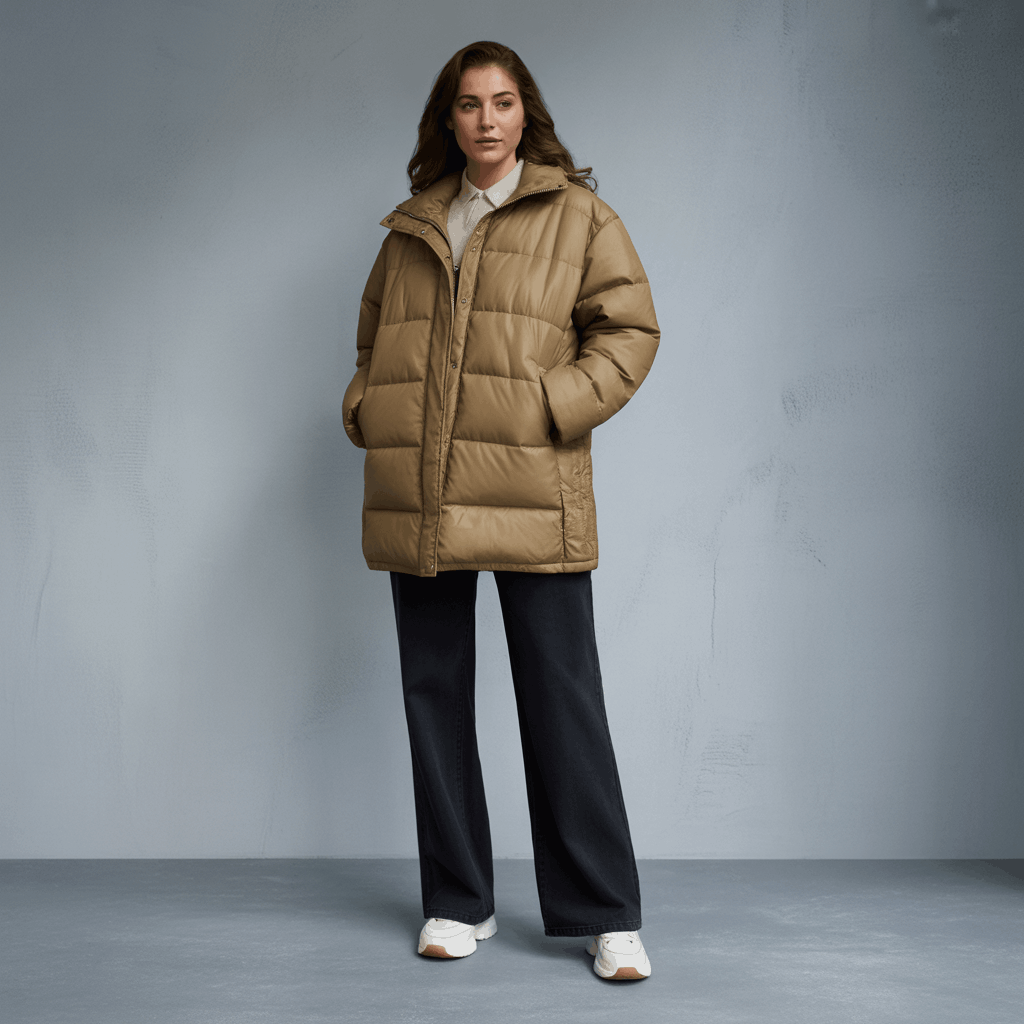
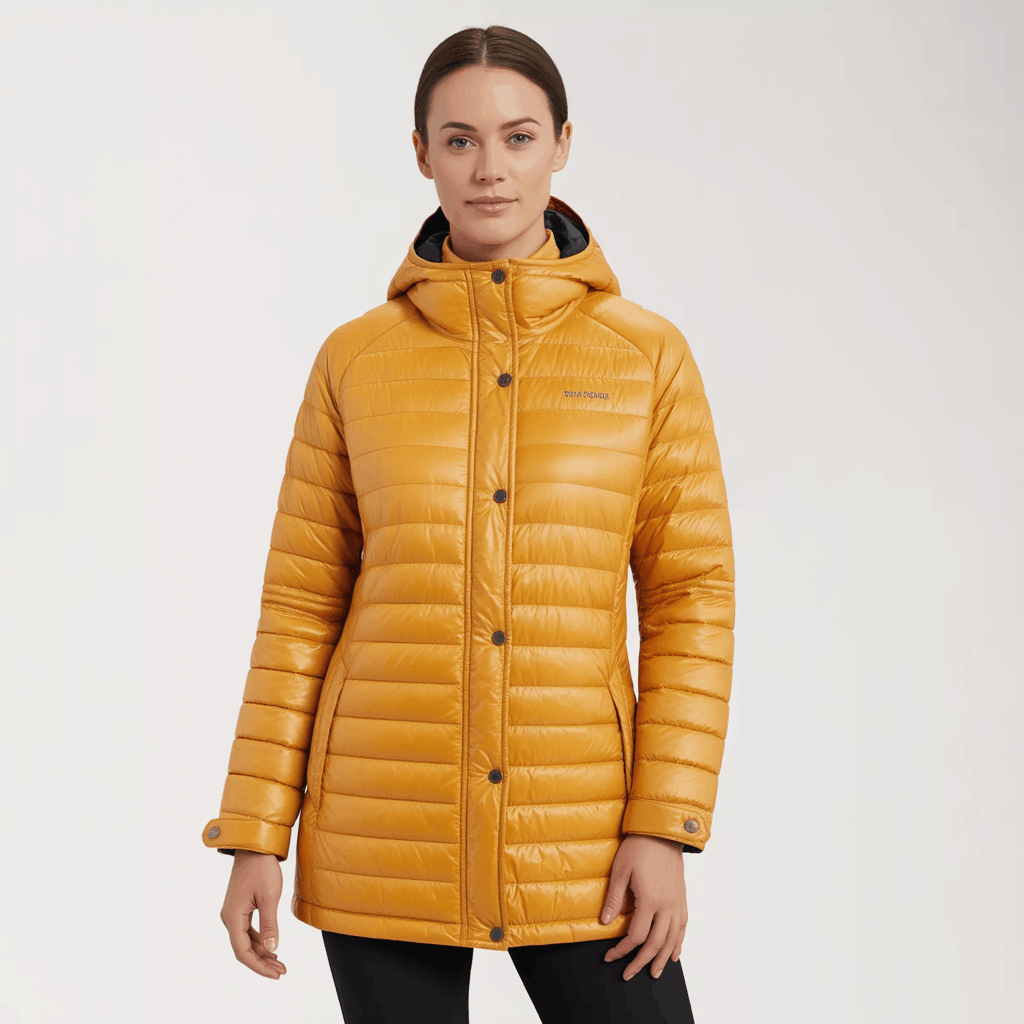
- Padded Jacket: A highly popular coat defined by quilted sections filled with down or synthetic insulation. It delivers an impressive warmth-to-weight ratio and a voluminous, sporty profile—perfect for relaxed winter coat outfits.
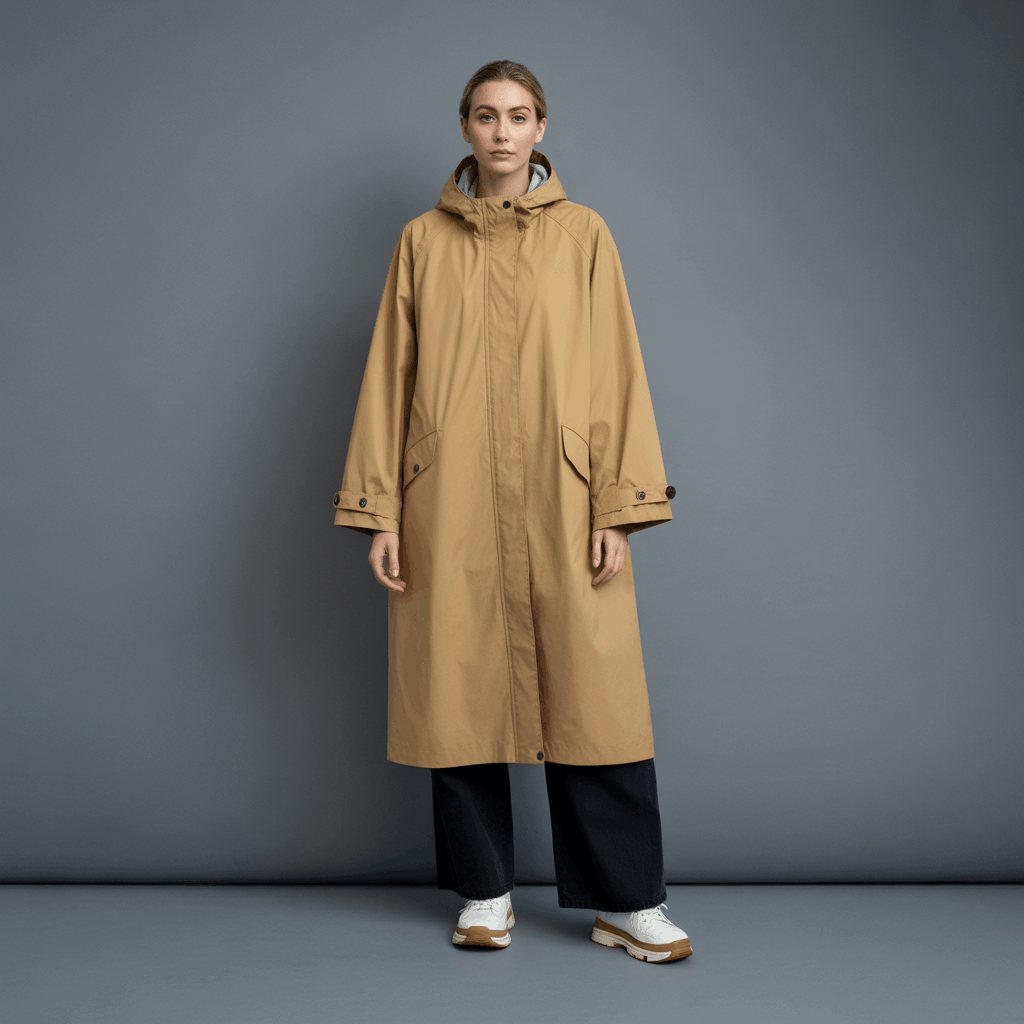
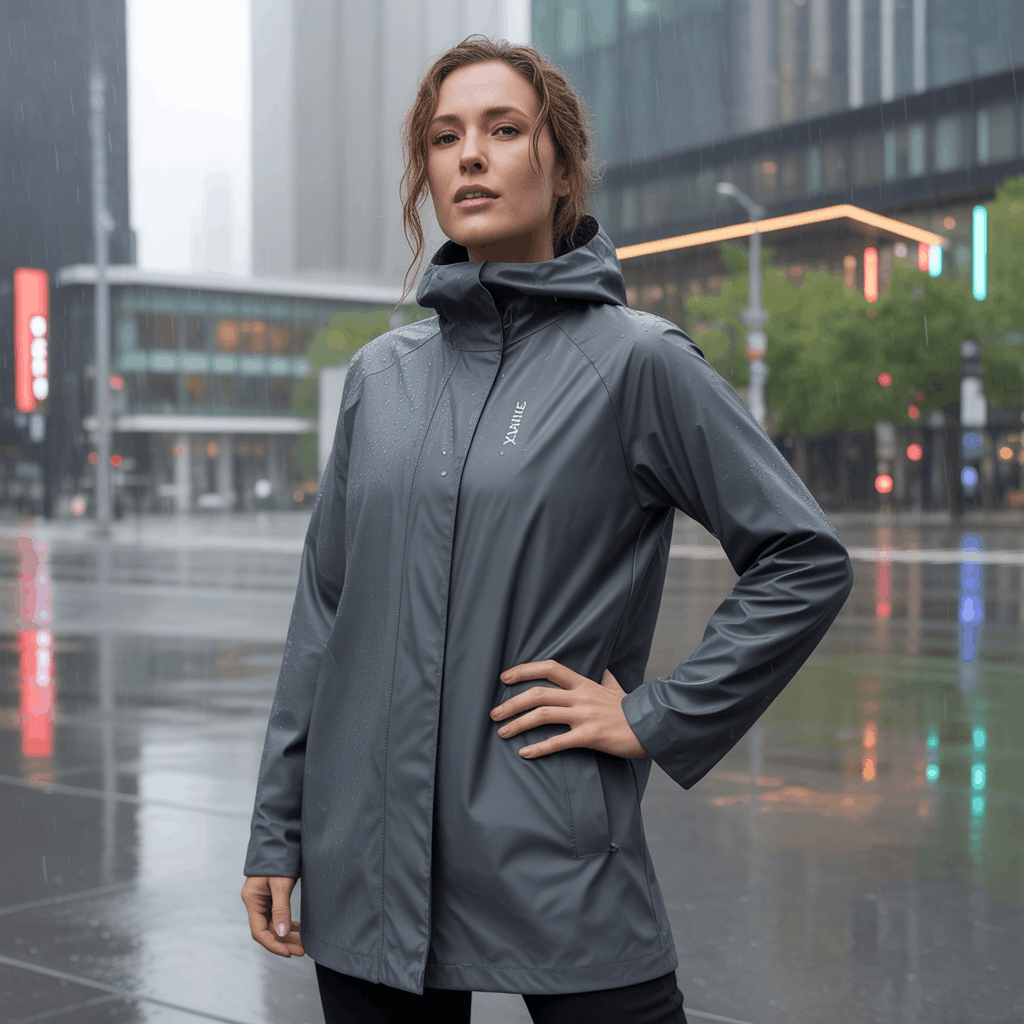
- Raincoat (or Mac Coat): A lightweight shell built for weatherproof protection. It’s essential in wet climates where staying dry matters more than heavy insulation, making it an easy choice for how to wear a coat on rainy days.
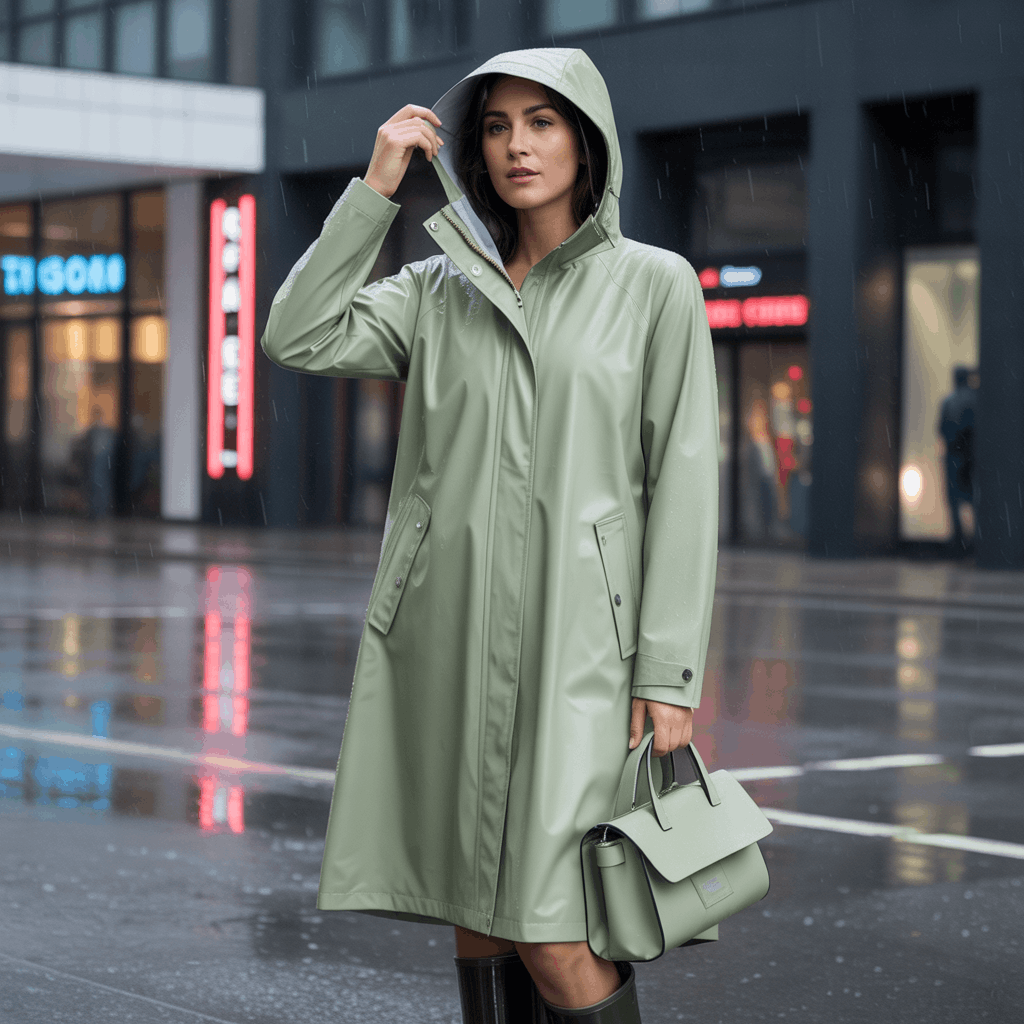
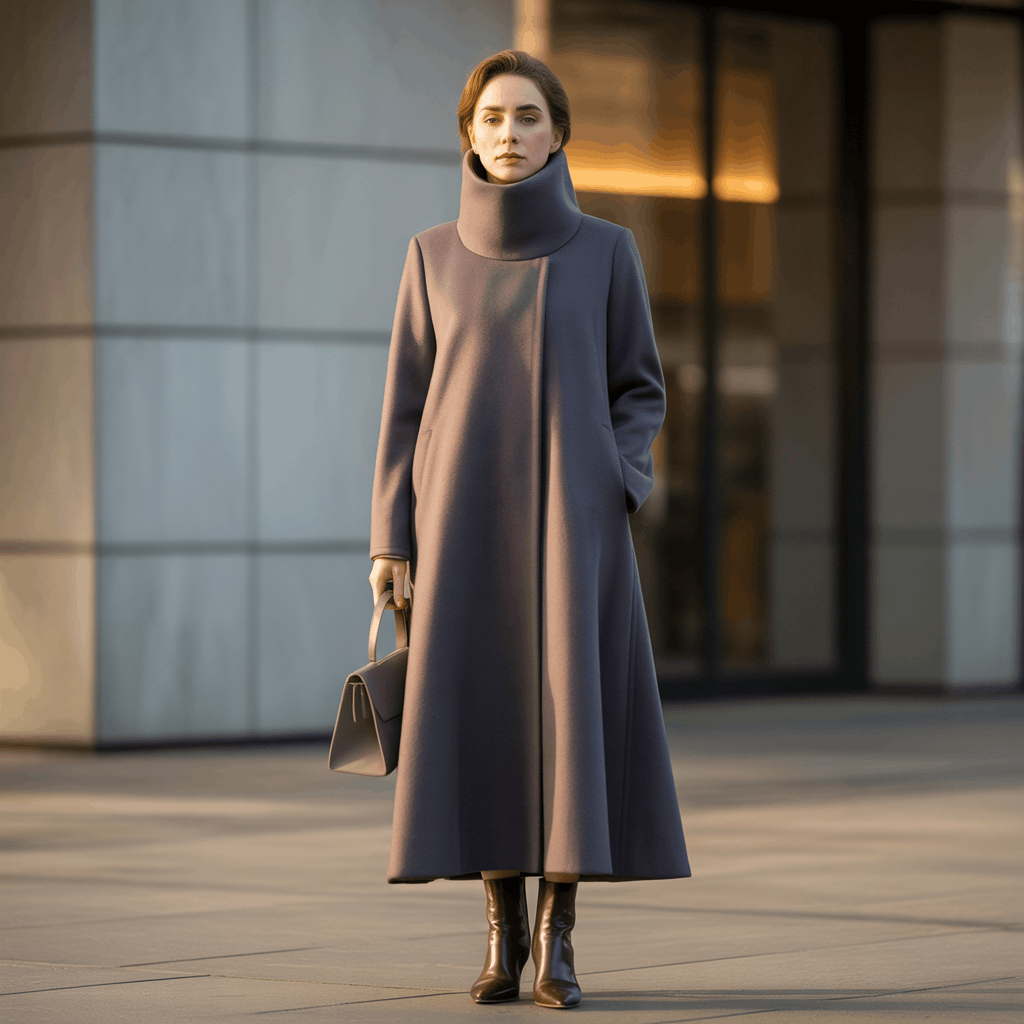
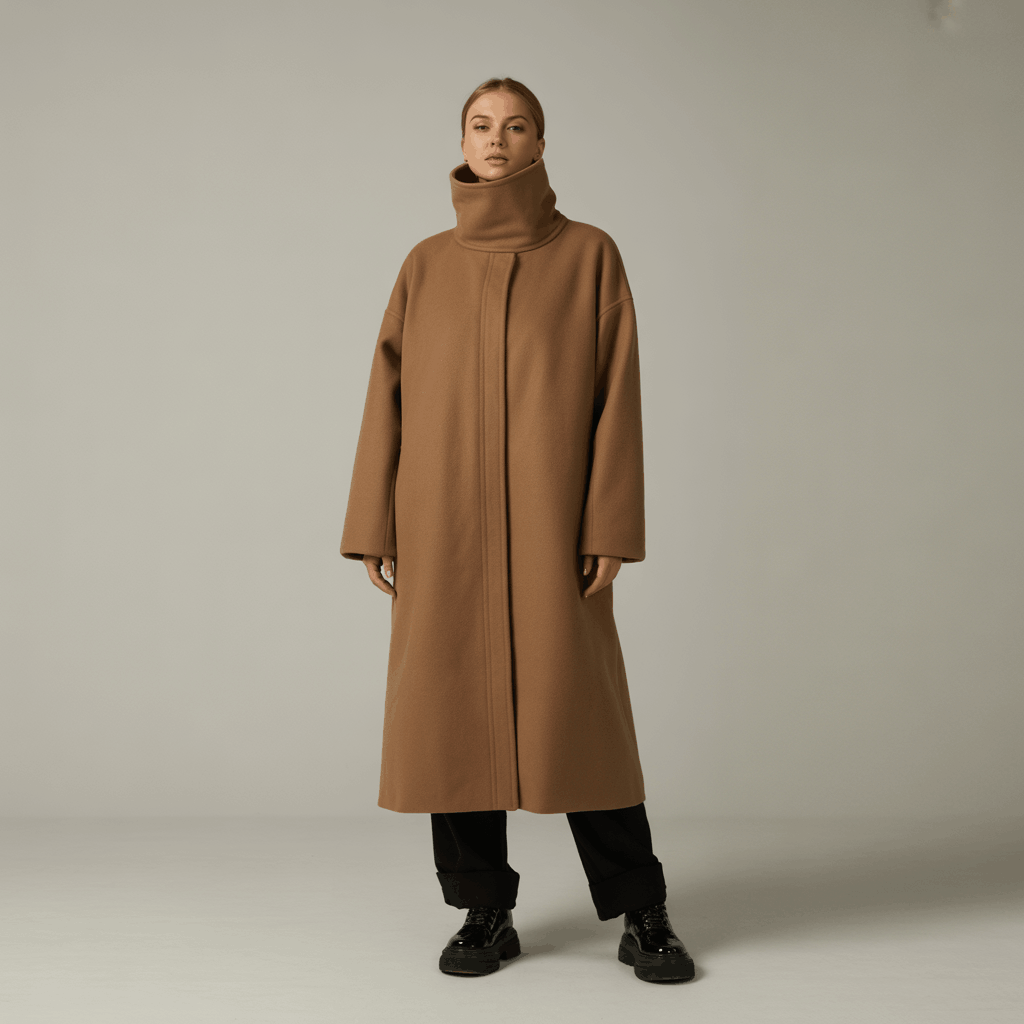
- Funnel Neck Coat: A coat style with a high, cylindrical collar that stands up to protect the neck and lower face, boosting warmth while keeping a sleek, minimalist line—great for a polished top coat outfit vibe.
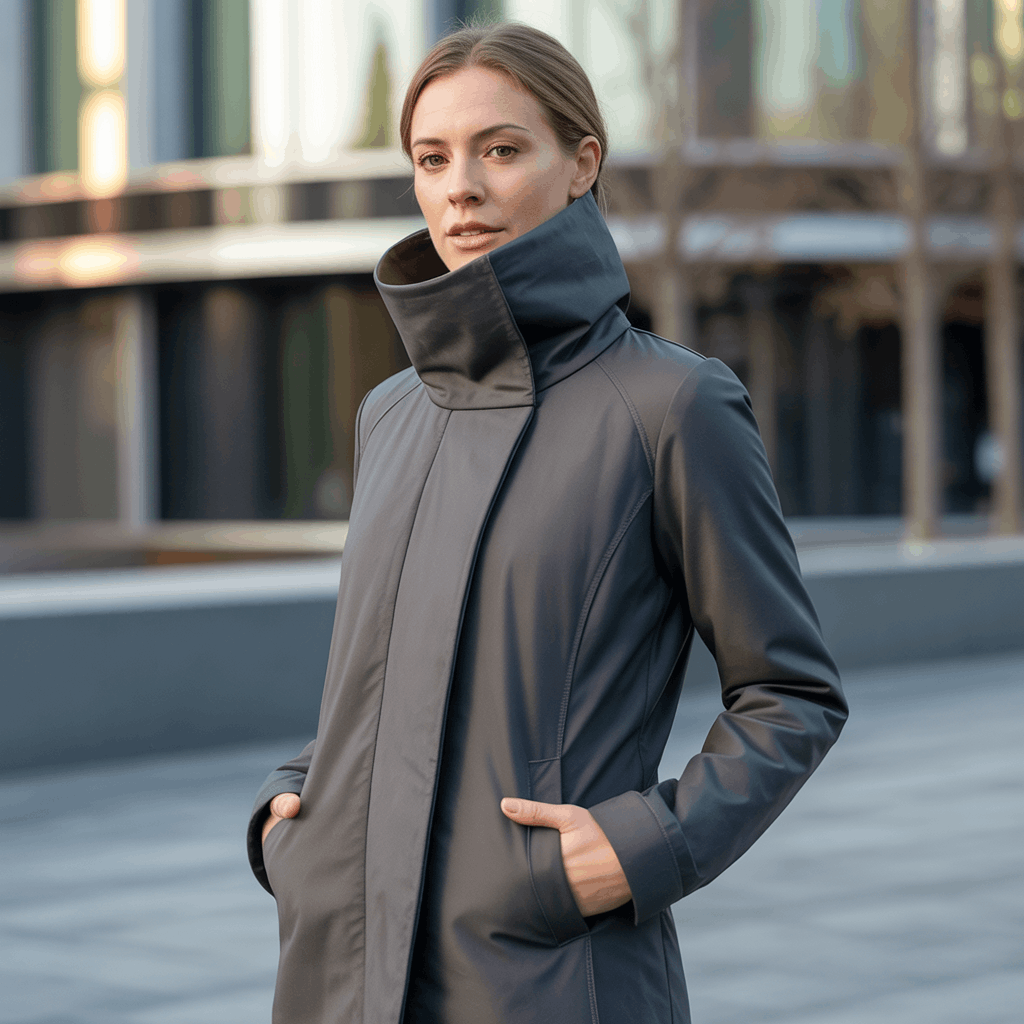
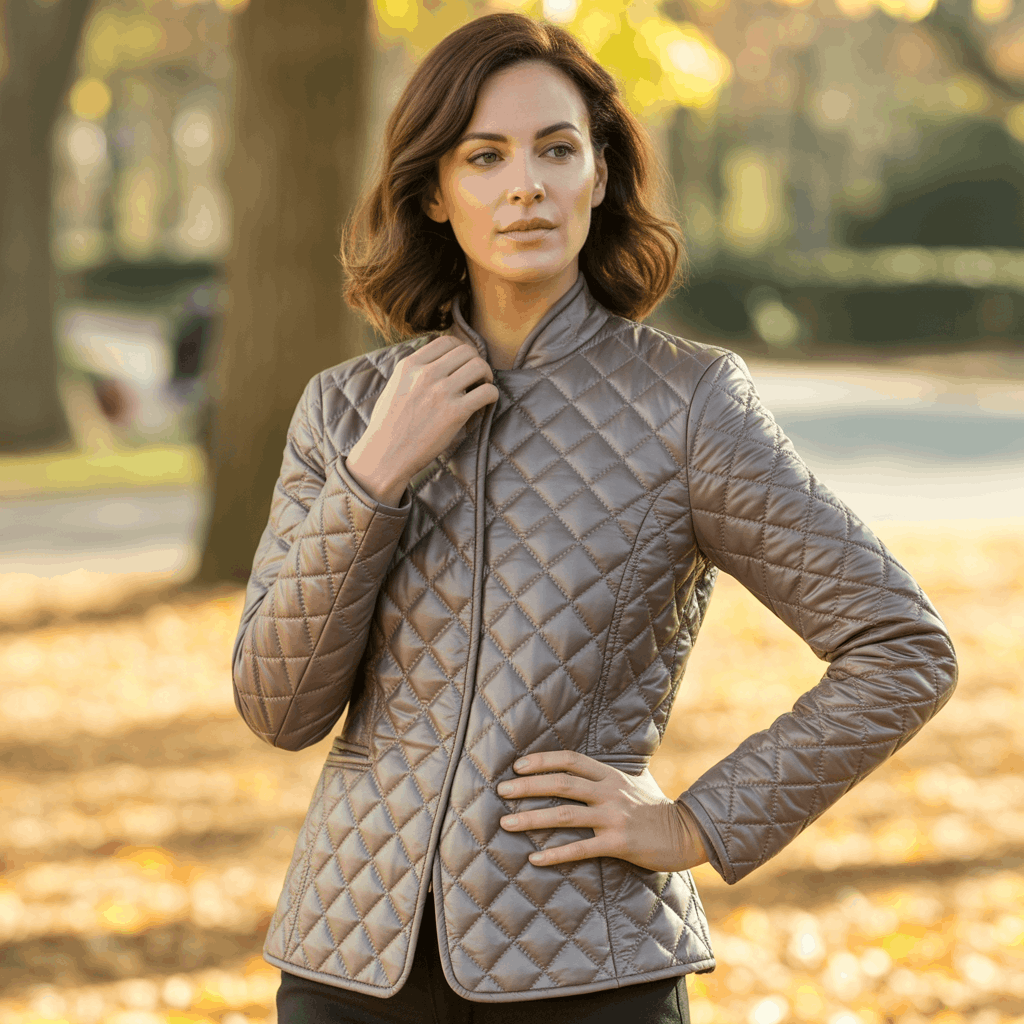
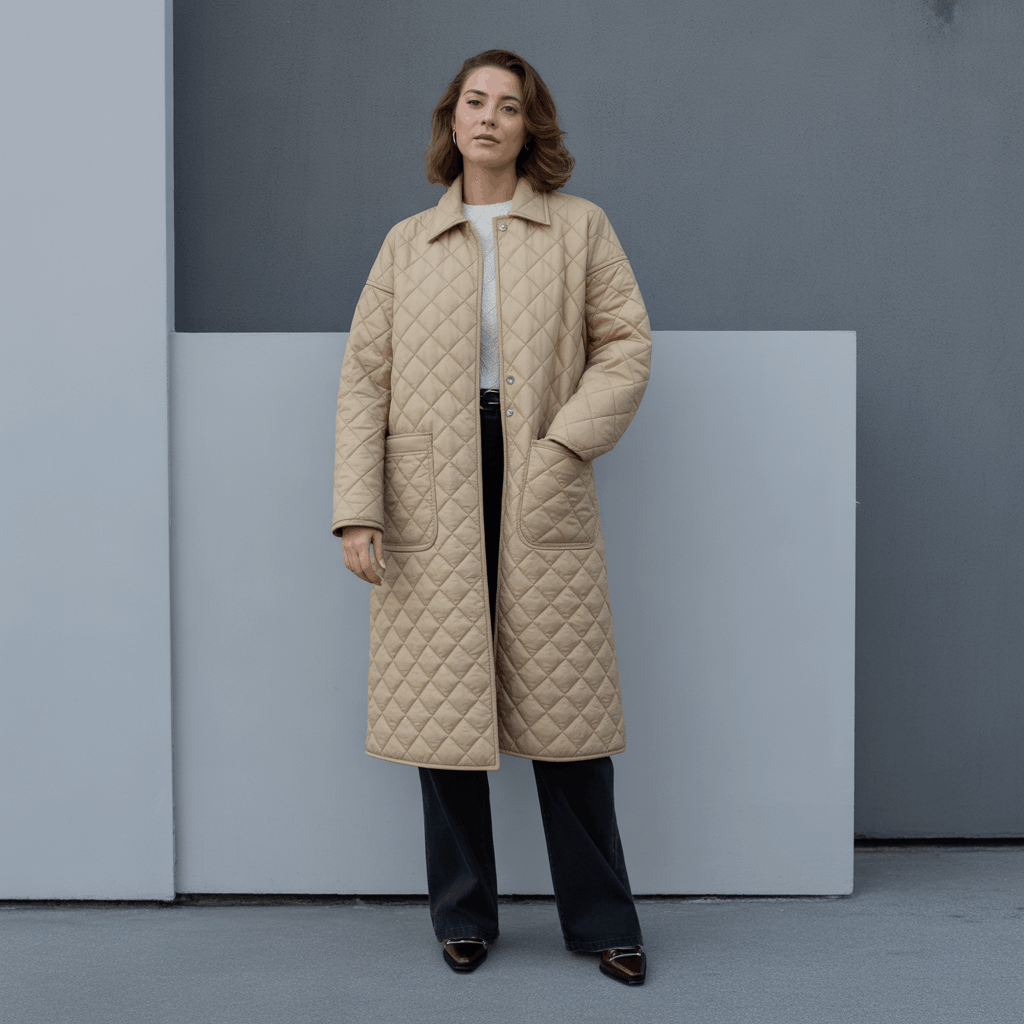
- Quilted Jacket: A lighter jacket with a stitched pattern, used for polished, moderate insulation in transitional weather—or as a smart layer under a heavier coat for elevated style with coat.
III. Fashion and Aesthetic Styles (Focus: Visual Impact)
These coats are selected primarily for their visual command and tactile richness, driven by trends in texture and form.
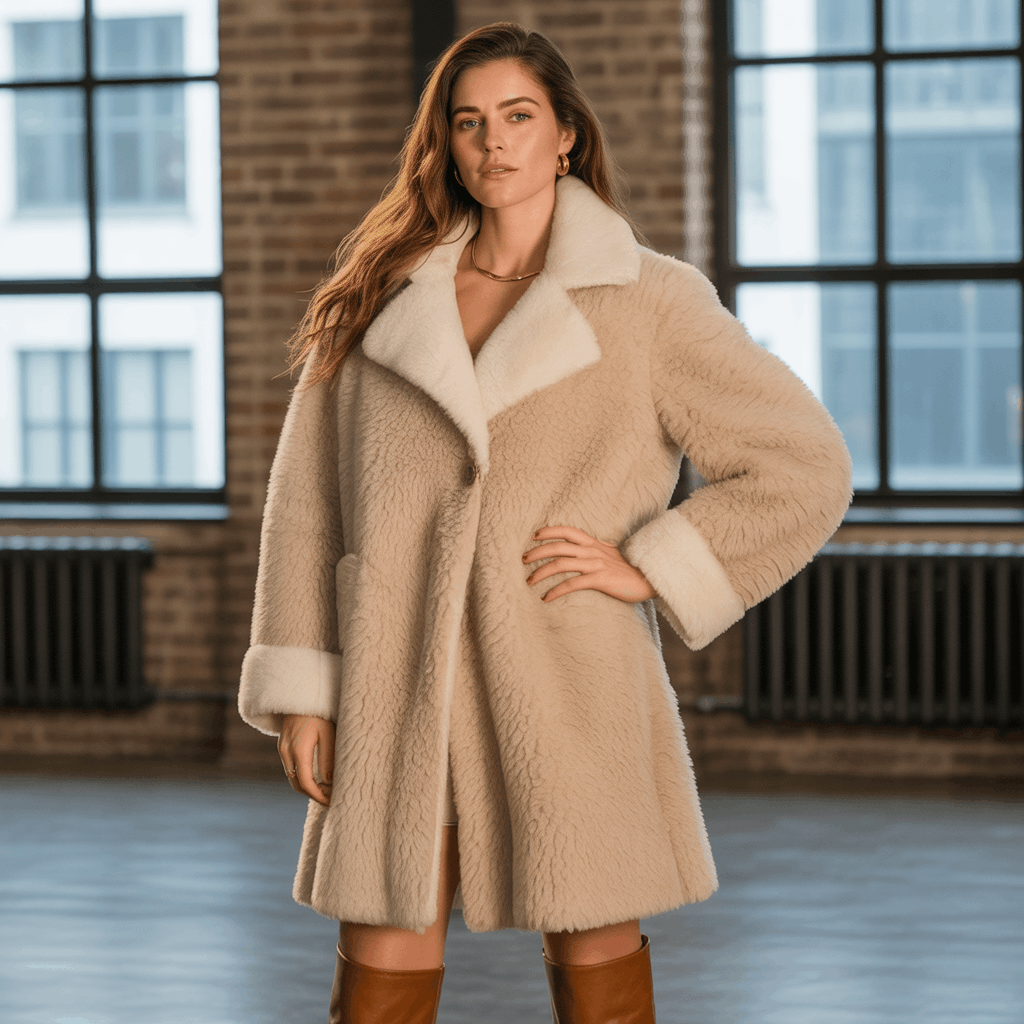
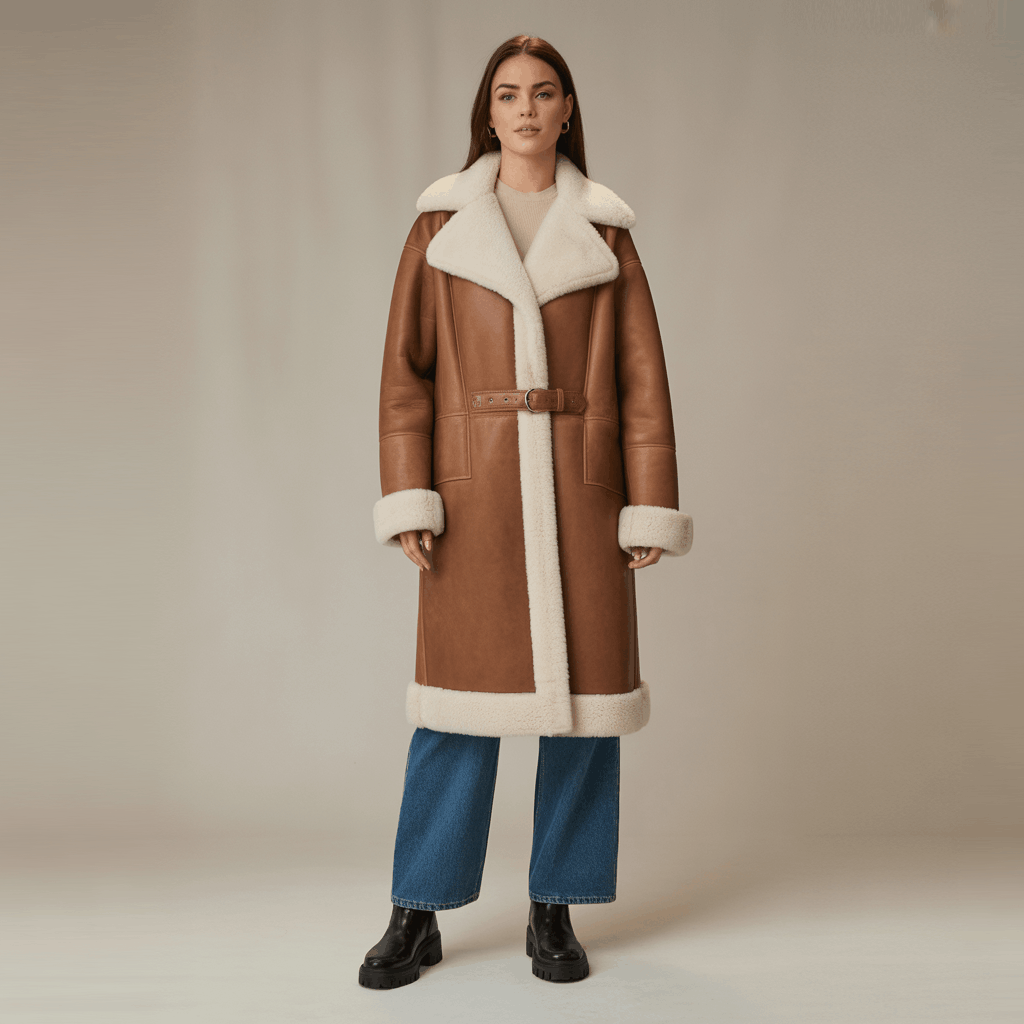
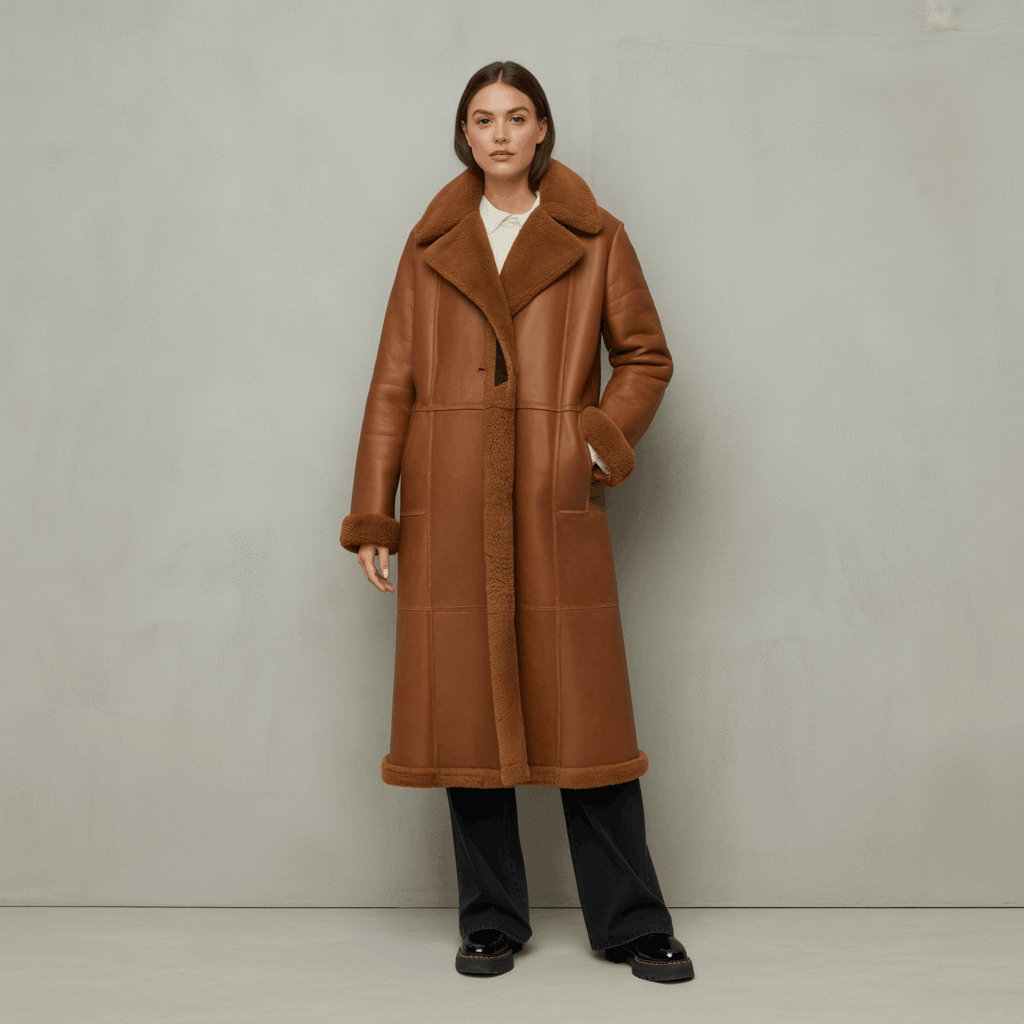
- Sheepskin Coat: A luxurious lambskin coat that delivers exceptional warmth and a rich, tactile finish. It often comes in voluminous shapes and carries a strong heritage feel—perfect for statement-level winter coat outfits.
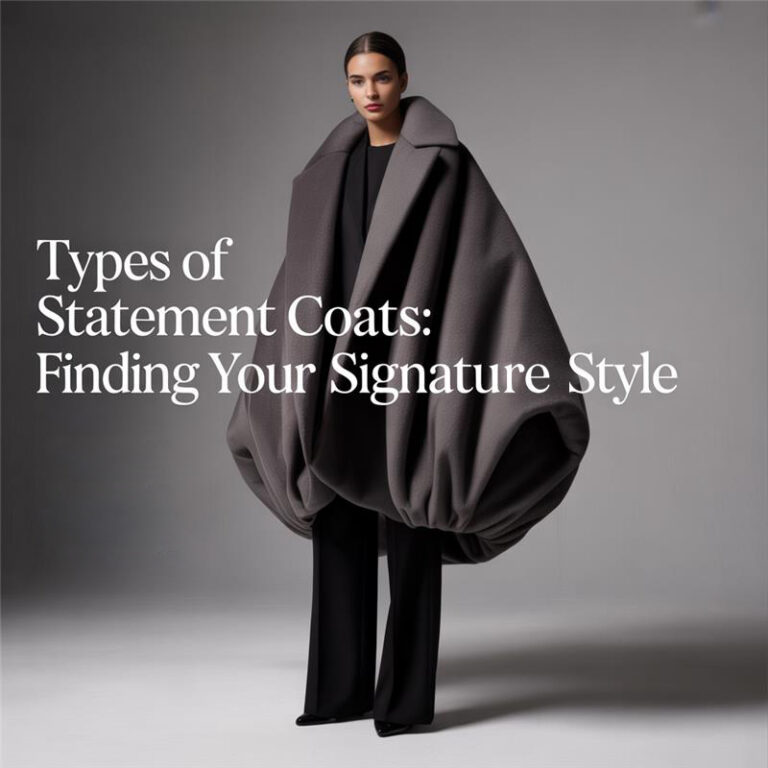
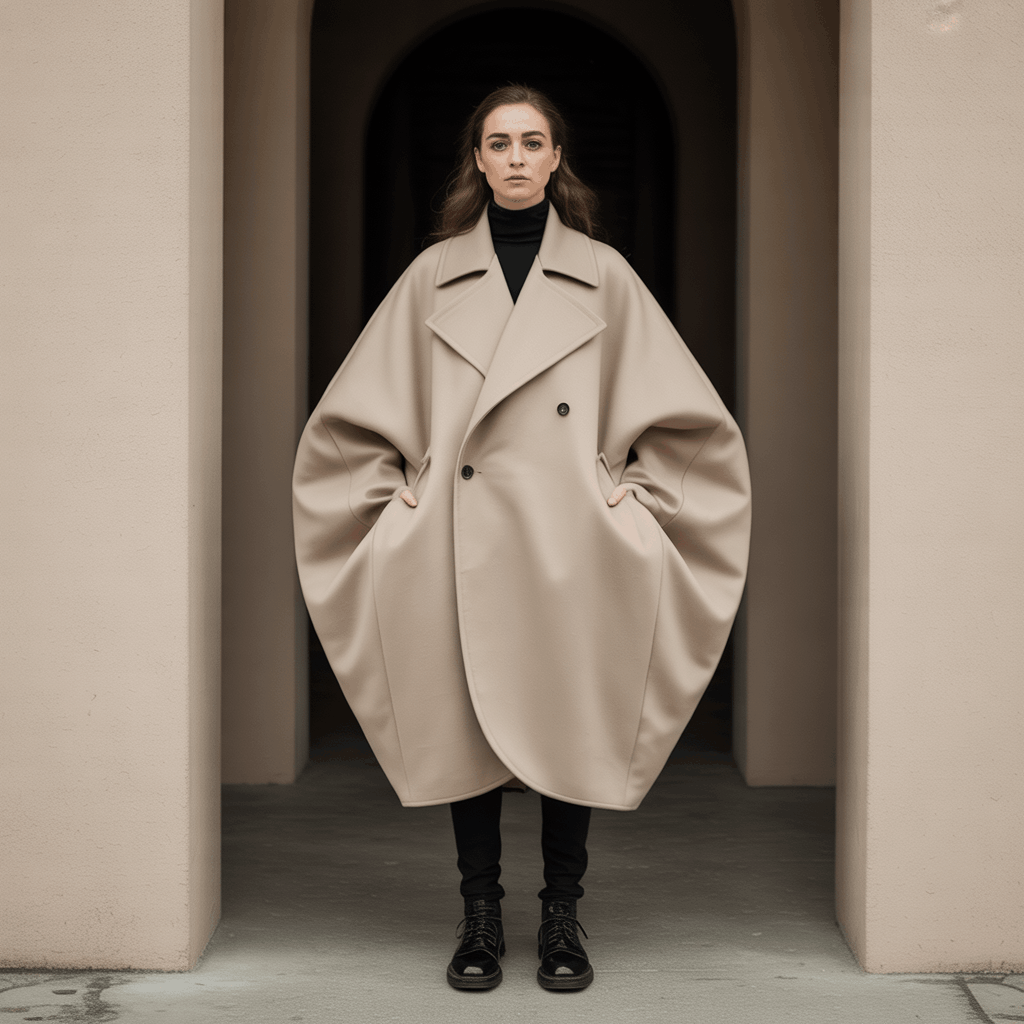
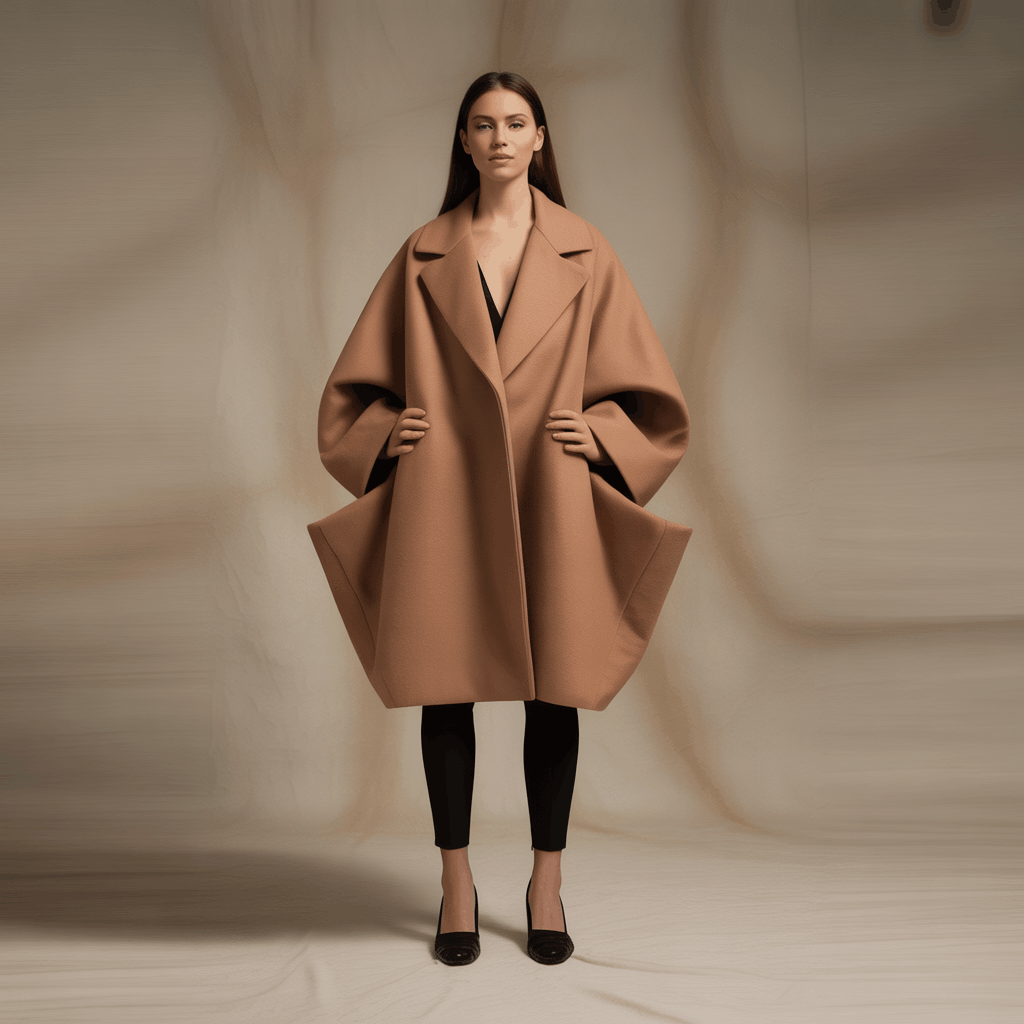
- Sculptural Envelope: A high-fashion coat defined by its rounded, artistic cocoon-like shape. It’s chosen for intentional imperfection and soft volume, often skipping strict tailoring for drama—basically the big coat moment when you want the silhouette to do the talking.
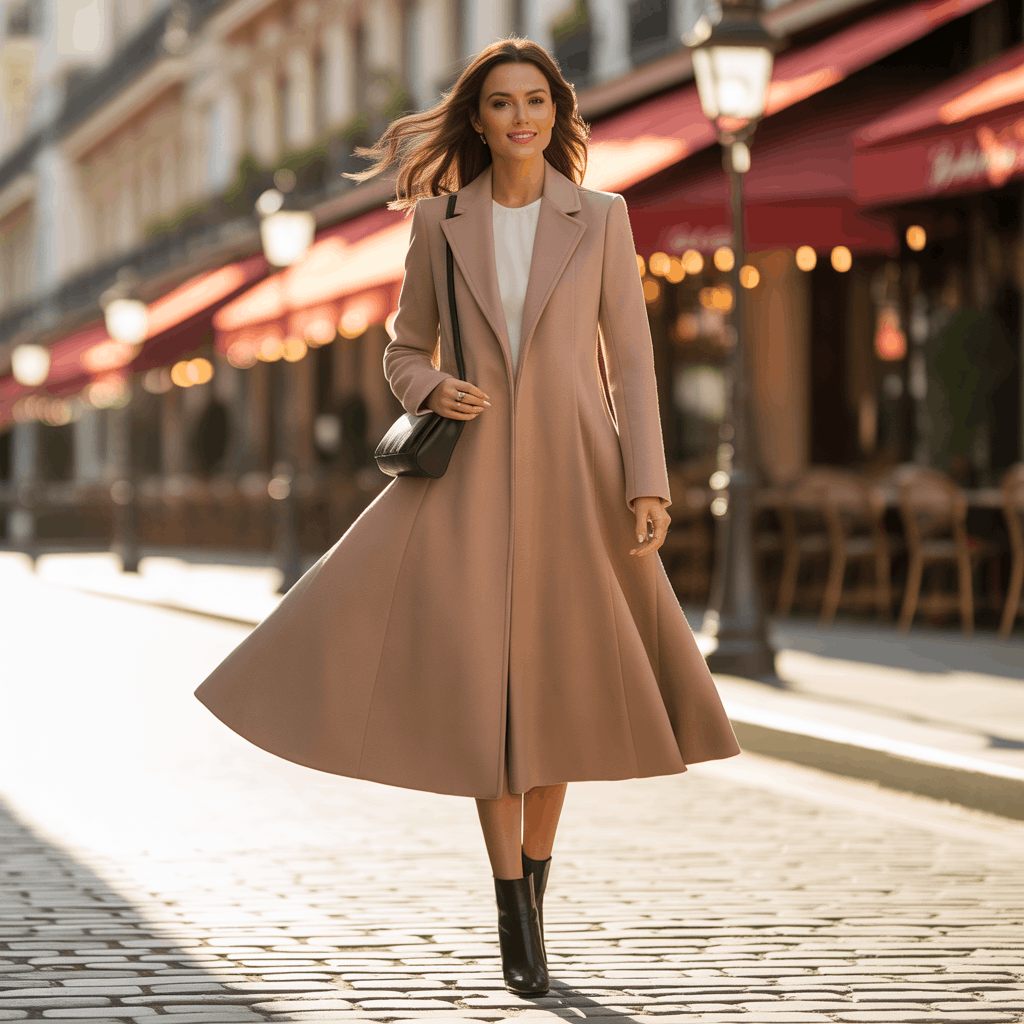
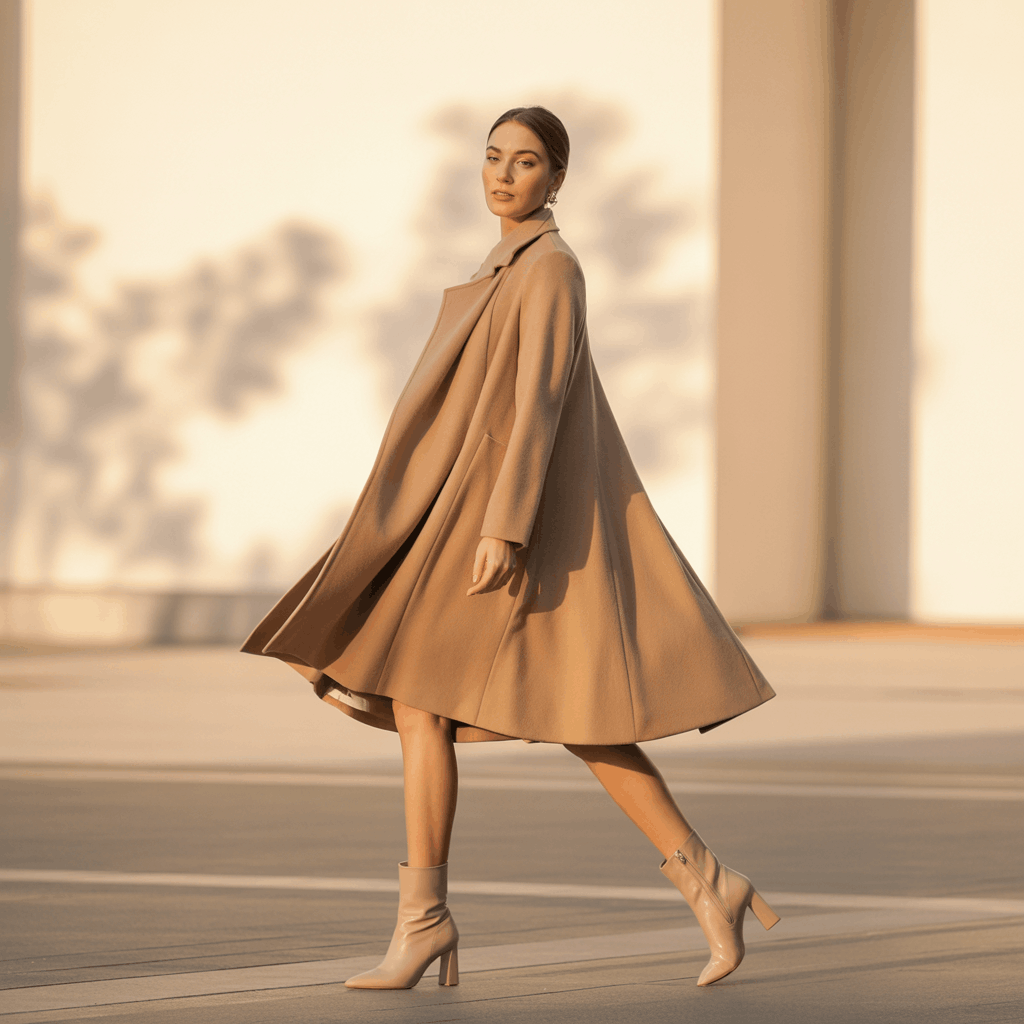
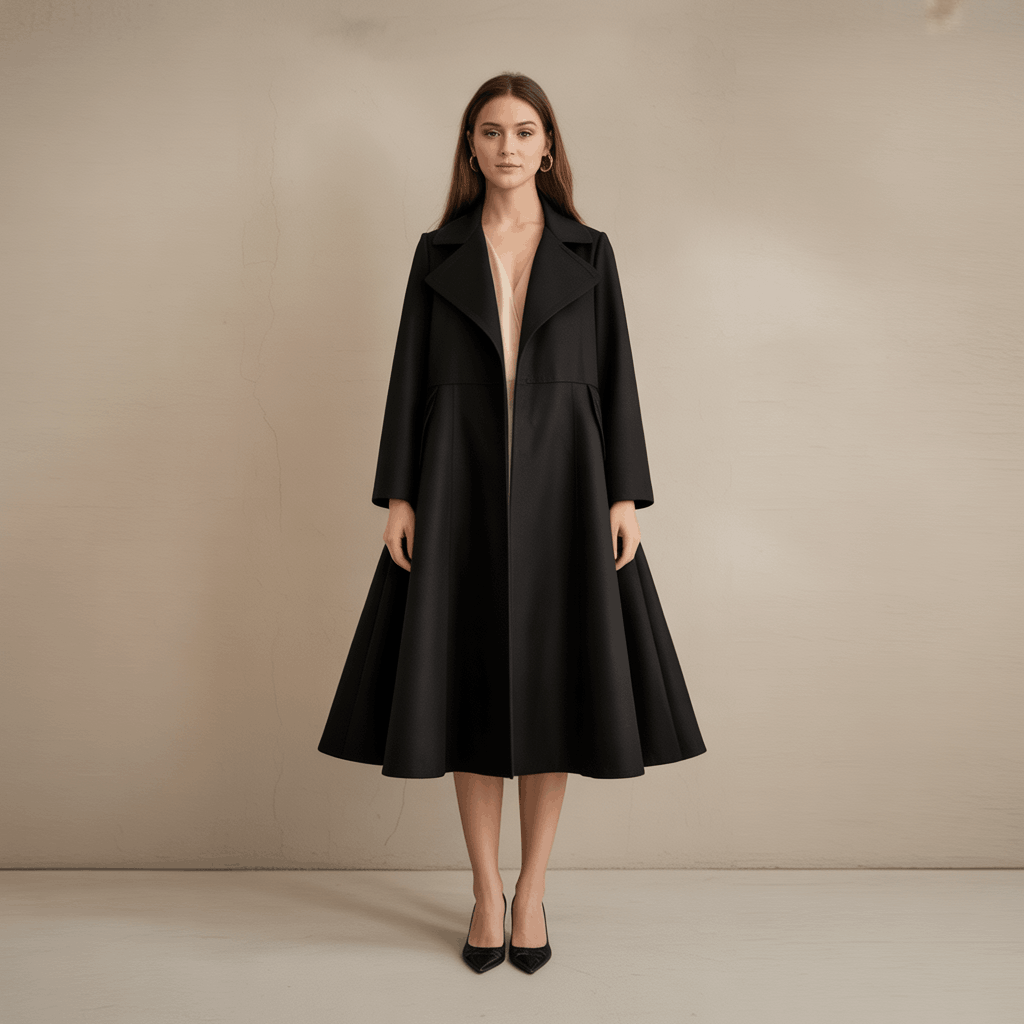
- Swing Coat (A-Line): An elegant style that flares from shoulder to hem, creating movement and a distinctly feminine silhouette—especially flattering if you’ve ever wondered, are long coats more flattering.
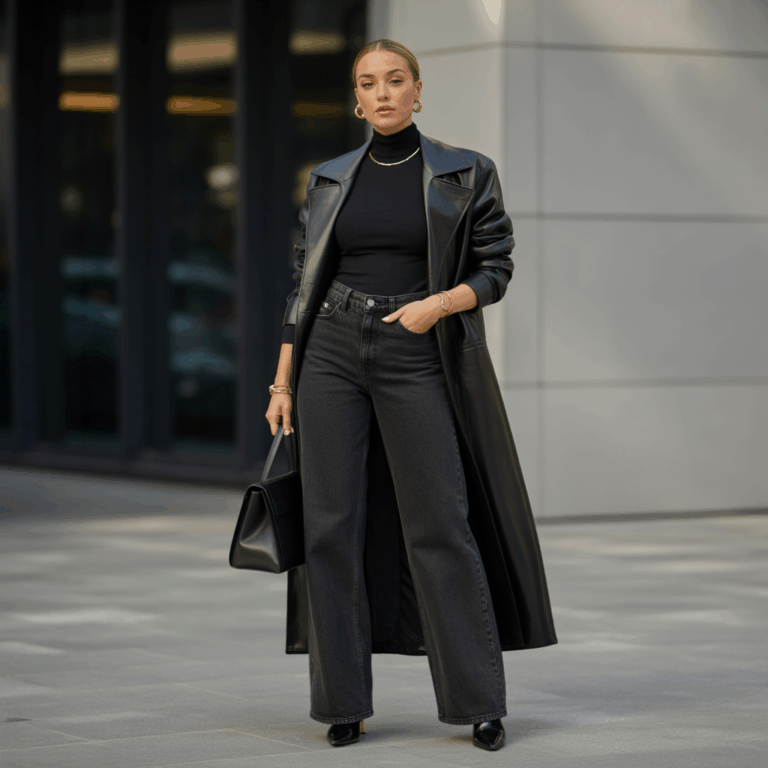
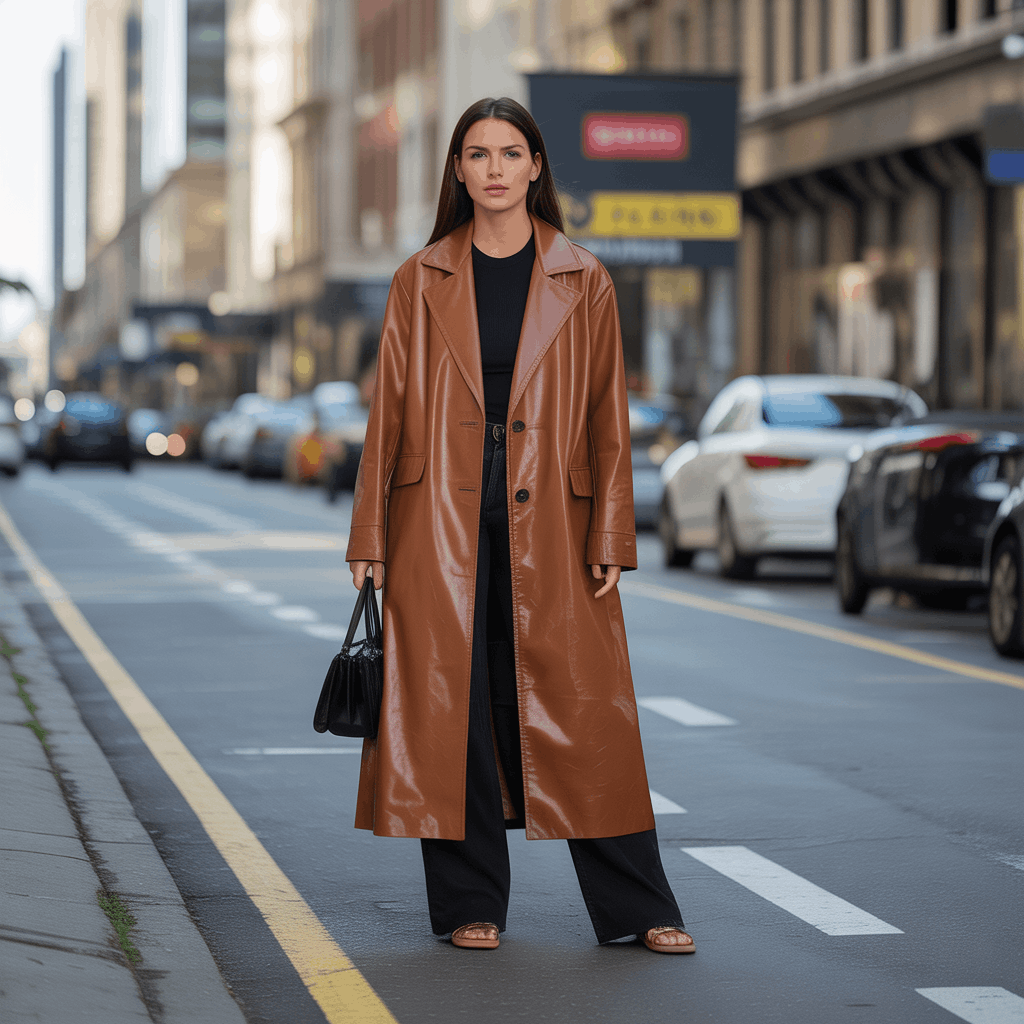
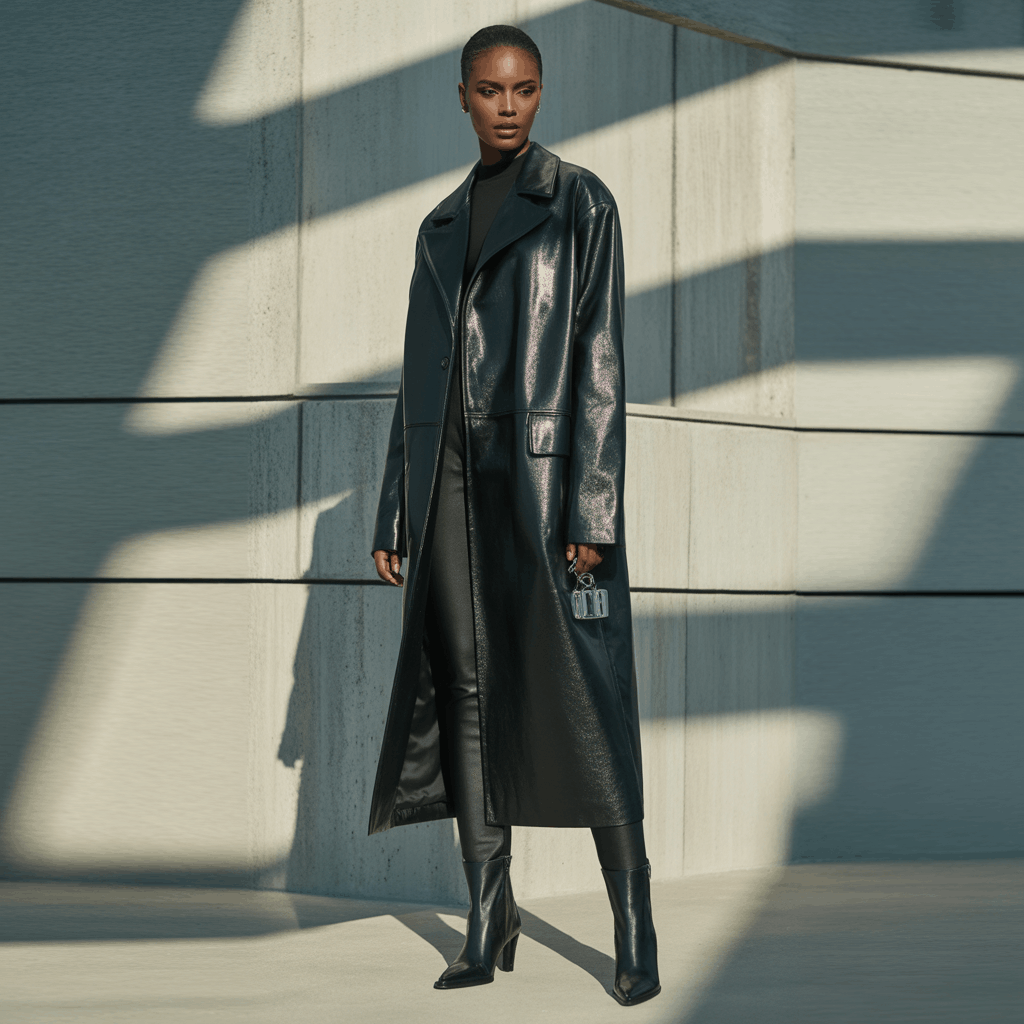
- Long Leather Coat: A weatherproof alternative with a high-shine, sleek finish and a modern edge. It pairs beautifully with monochrome layers and sharp tailoring, making it an easy win for winter coat outfits that feel bold but polished.
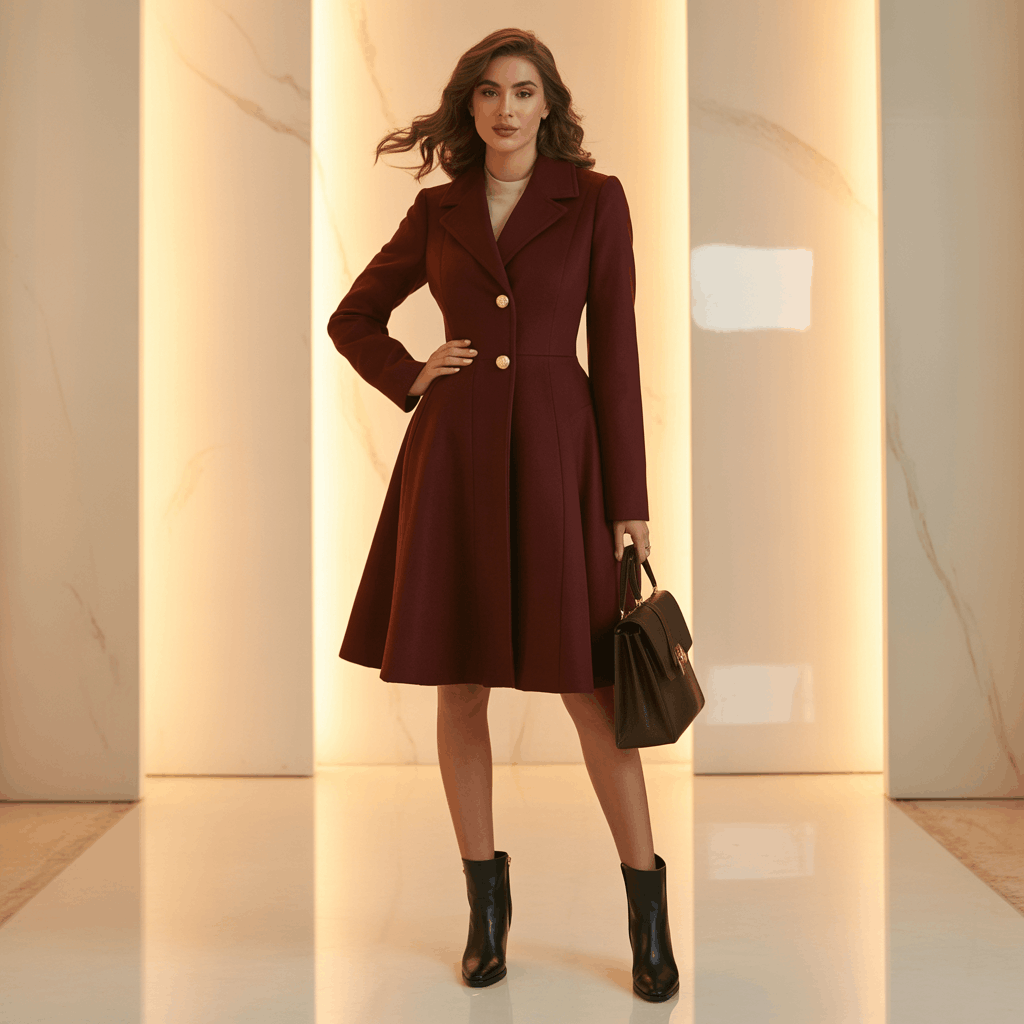
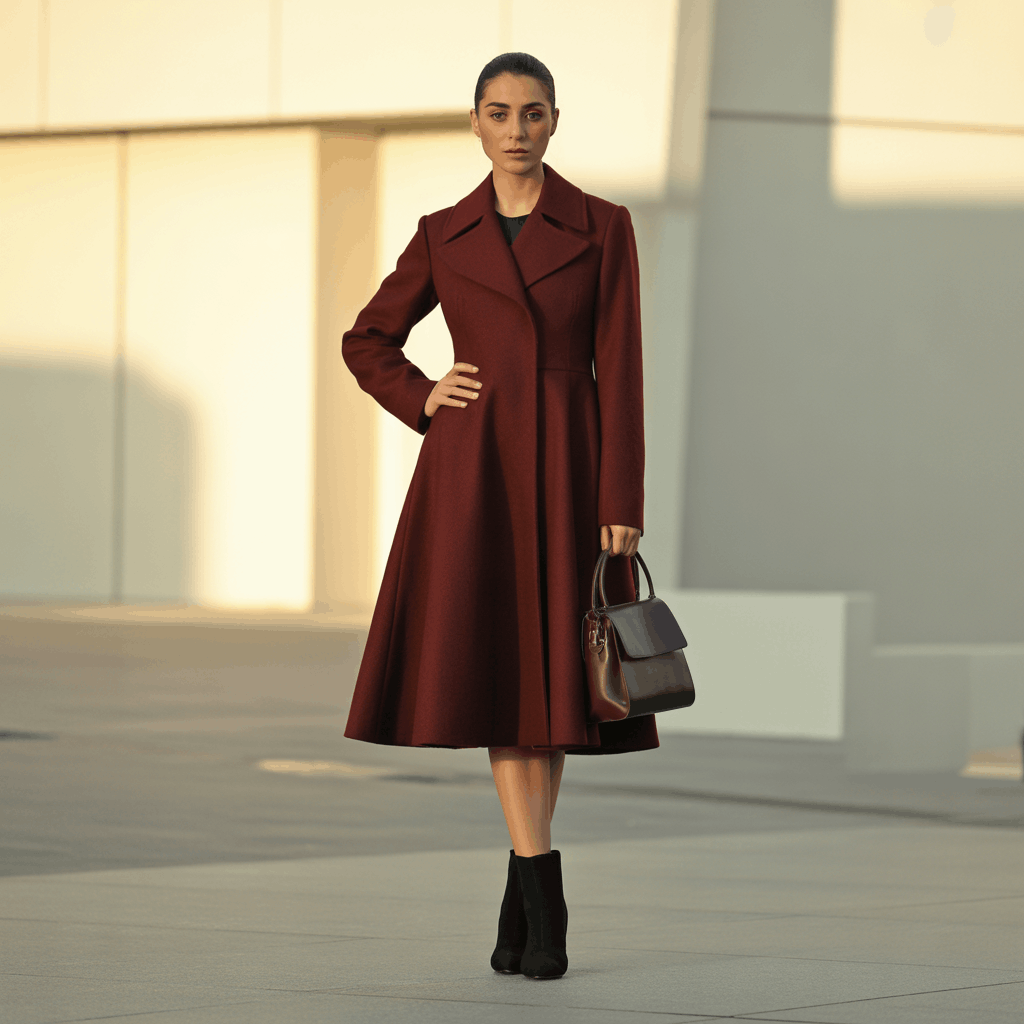
- Fit-and-Flare Coat: A tailored style fitted through the bust and waist, then gently flaring over the hips. This cut creates proportional precision by highlighting waist definition—great for a smart coat look that stays feminine and structured.
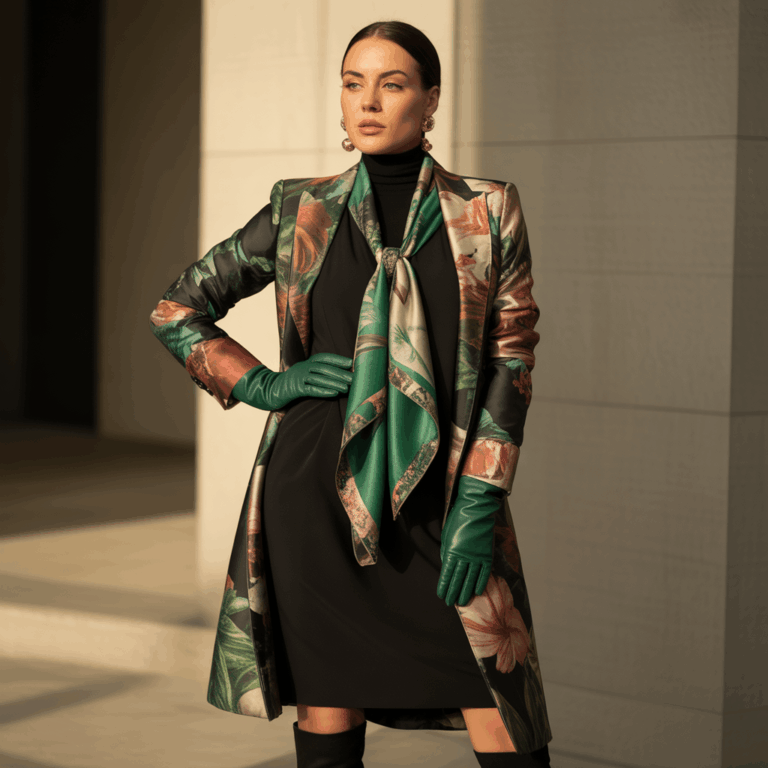
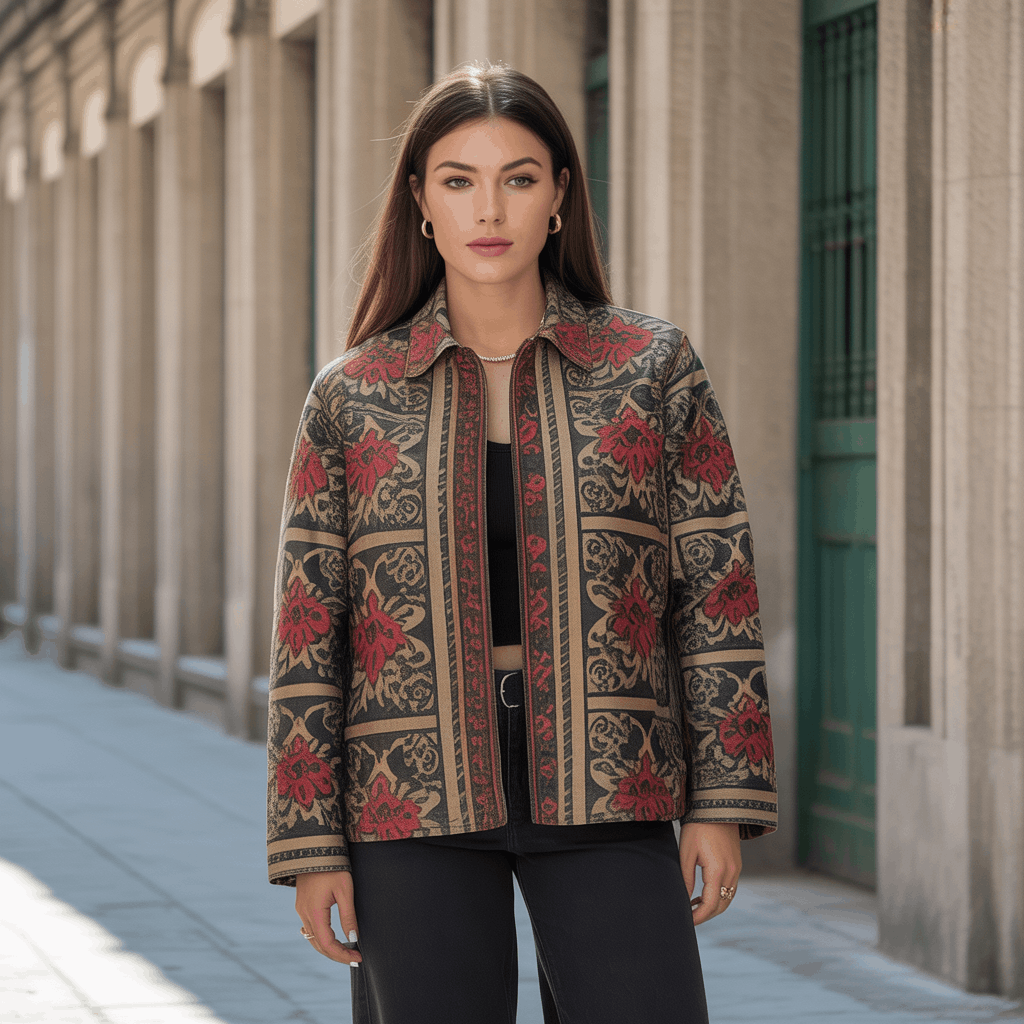
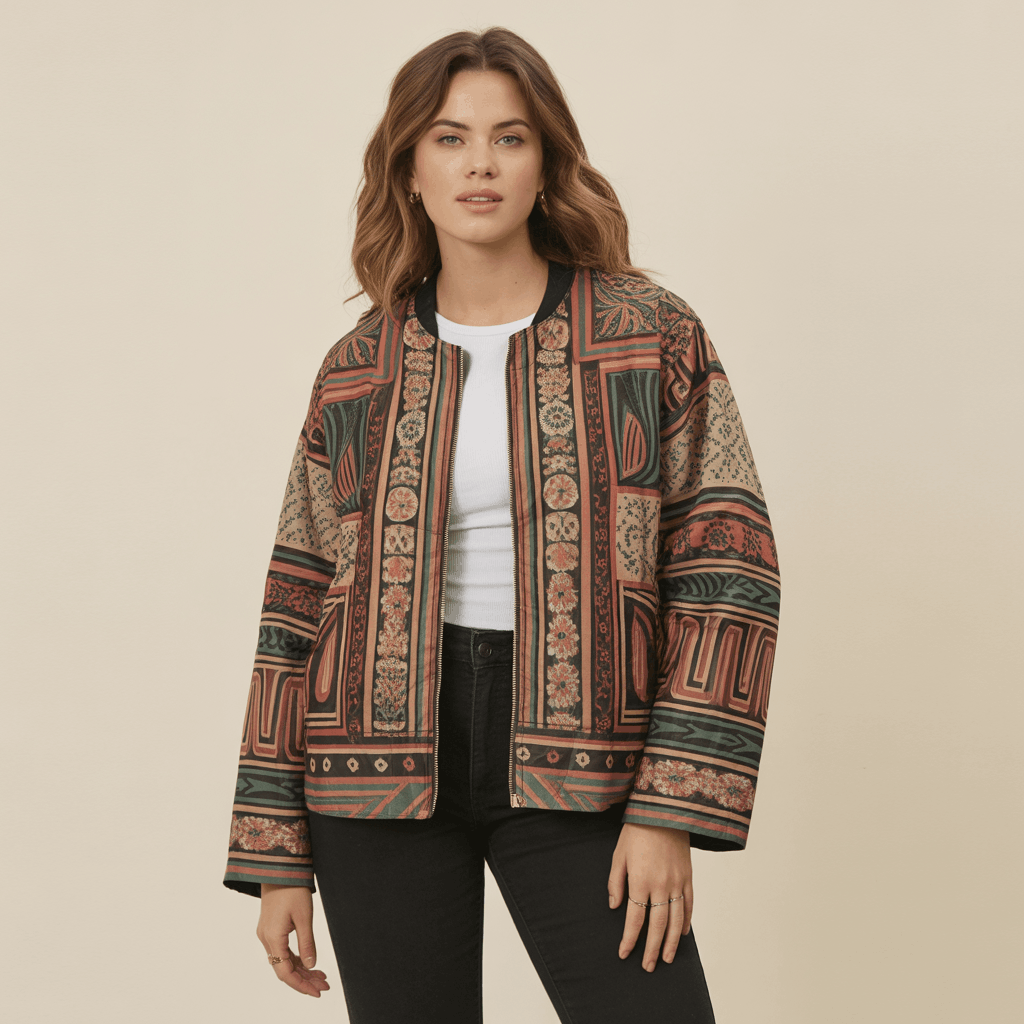
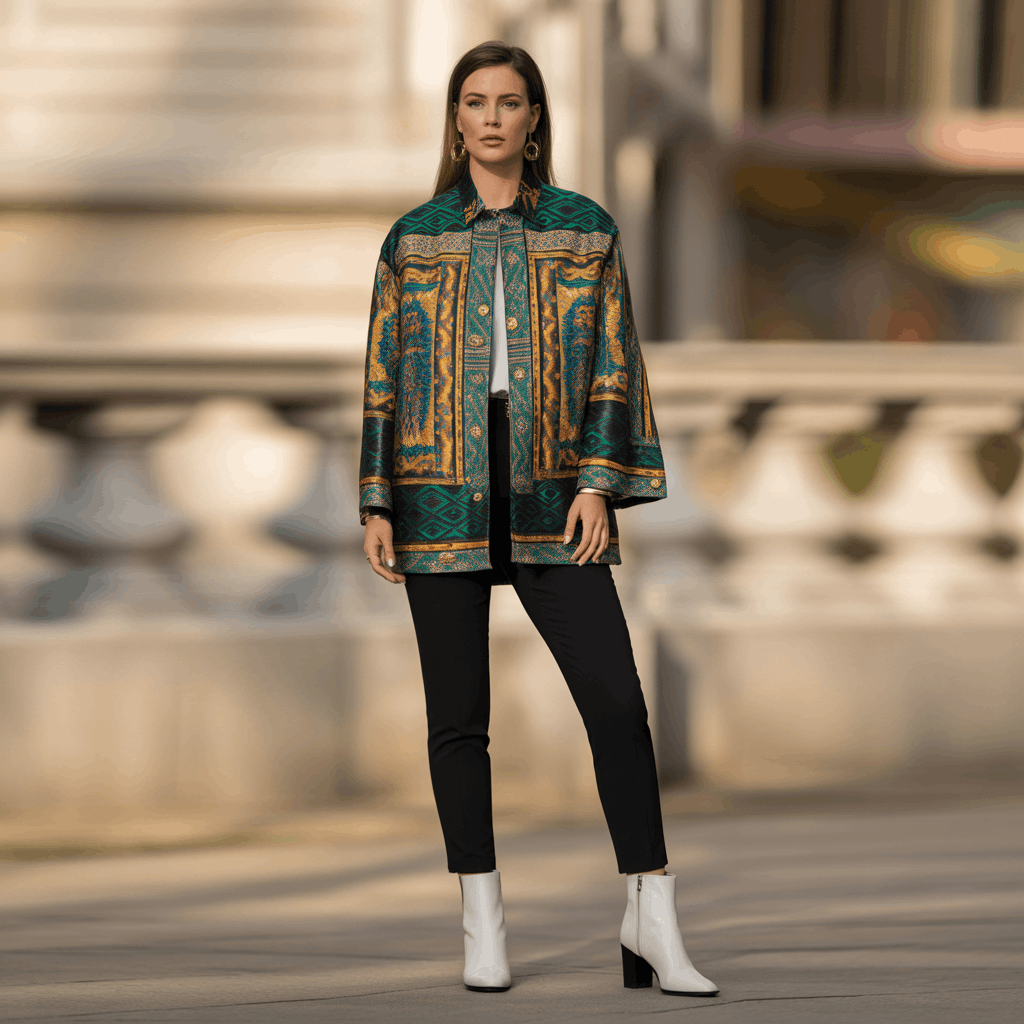
- Printed Jacket: An outerwear piece with a prominent tapestry or bold geometric pattern. It’s the ultimate focal point, so the rest of the outfit should stay simple and neutral—classic style with coat discipline under the “Supporting Cast Rule.”
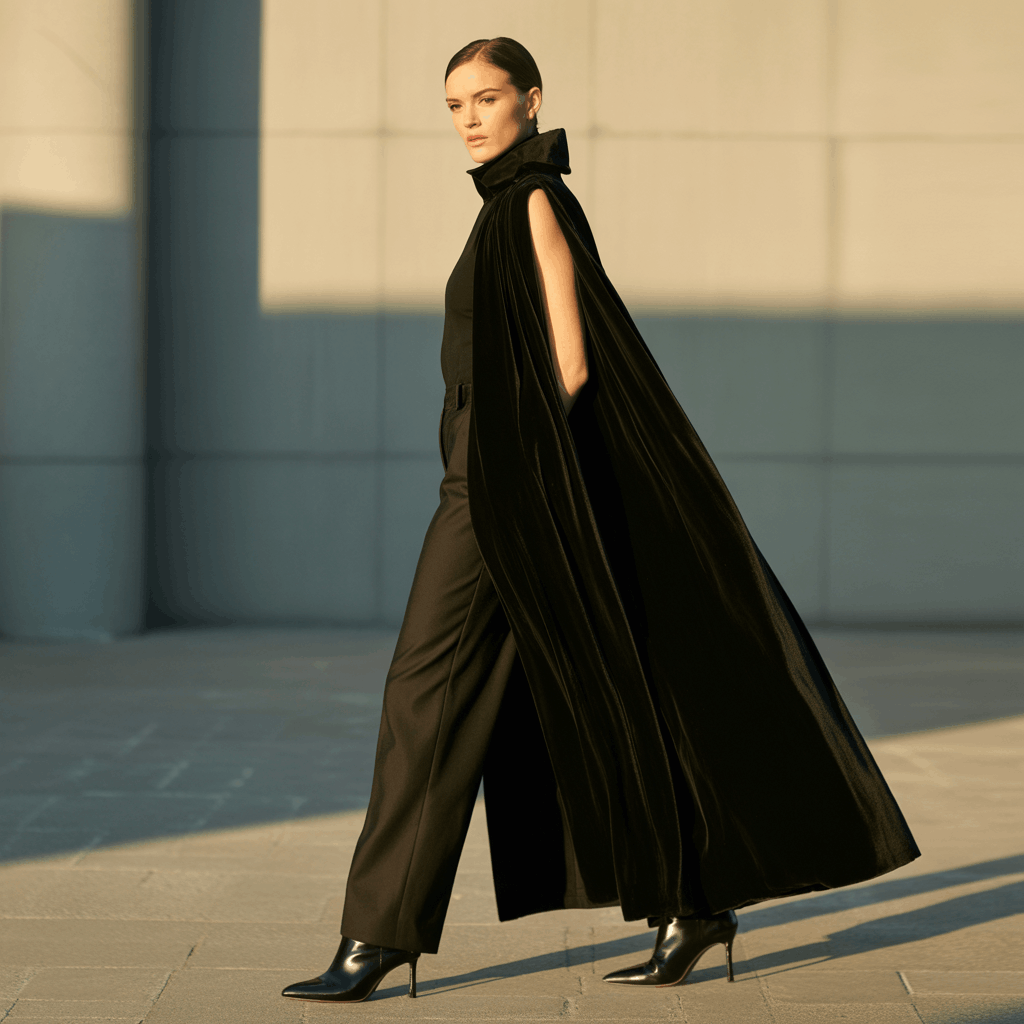
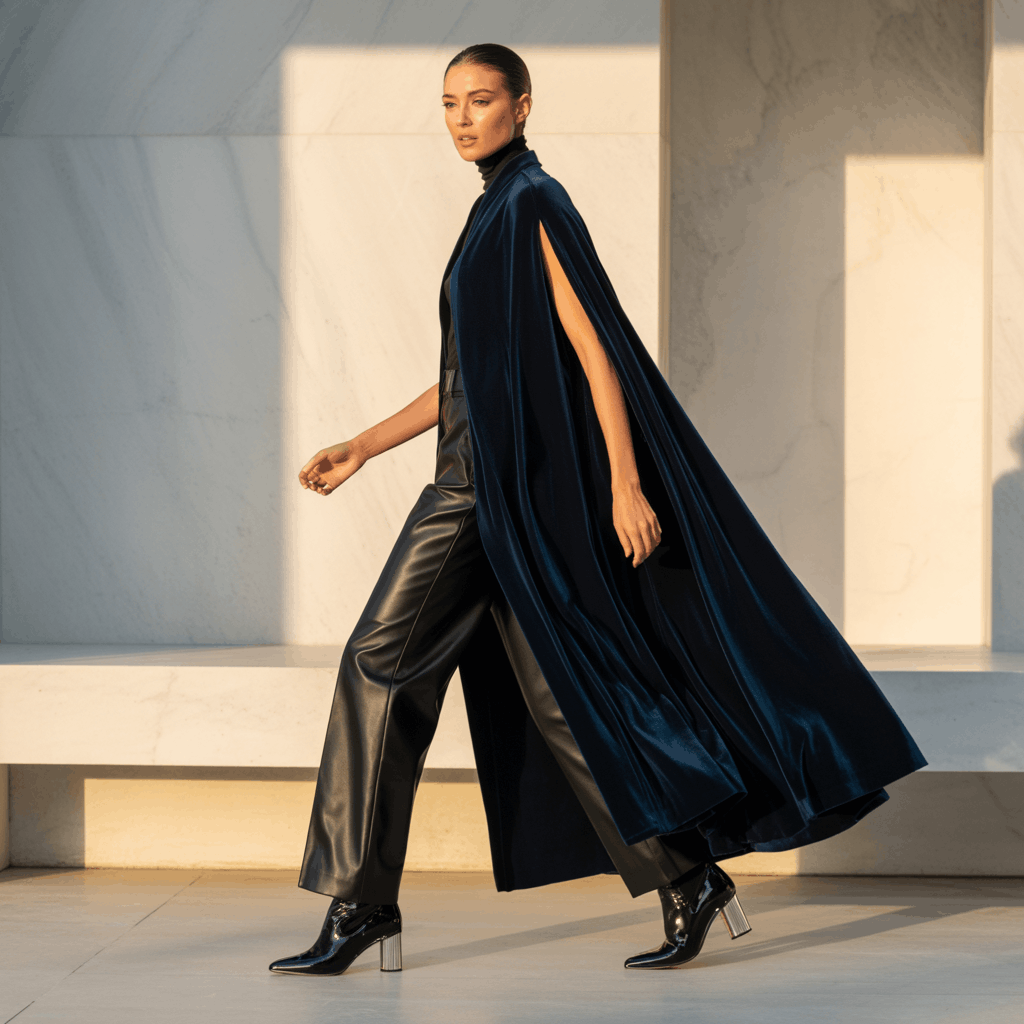
- Cape/Cloak: A sleeveless outer garment with a dramatic, flowing line. It’s made for evening glamour and high-fashion layering over structured outfits—perfect when you want your winter coat outfits to feel instantly elevated.
Styling & Preservation: Maximizing the Lifespan of Your Outerwear Arsenal
The core of modern winter coat styling comes down to proportional contrast and textural contrast. Follow the “One Coat, One Story” rule so the coat stays the hero piece and the layers underneath act as the polished supporting cast. For a practical outfit blueprint that makes this rule easy, read How to Style a Statement Coat next—it shows exactly how to build a clean base so your outerwear stays the focus.
1-Trending Styling Blueprints
| Coat Type/Trend Focus | Styling Blueprint | Key Styling Elements |
| Overcoat / Topcoat | Classic Chic / Tailoring | Layer this tailored outerwear over a slim knit roll-neck and tailored wool trousers in neutral colors (camel tone or charcoal grey). Use a sleek leather tote to emphasize the professional look. |
| Puffer Coat / Padded Jacket | Elevated Athleisure / Volume Play | Balance the warm layering piece’s volume by pairing it with sleek faux leather pants or slim knit leggings and clean, classic sneakers for a high-low look. |
| Sheepskin Coat / Faux Fur | Opulent Layering / Luxe Texture | Wear this signature layer over a sleek velvet dress or a monochromatic base (all black) to let the rich tactile texture command the visual command. Contrast the plushness with sleek patent leather accessories. |
| Swing Coat (A-Line) | Proportional Precision / Feminine Flair | Style the flared shape with highly fitted black skinny jeans or slim trousers, finished with polished black suede ankle boots to maintain definition beneath the volume. |
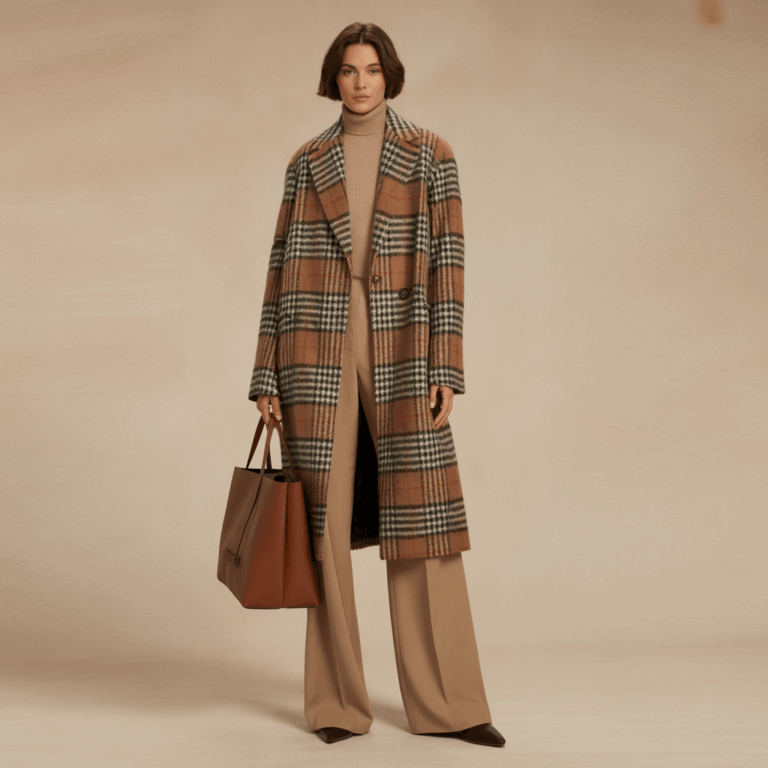
| Printed Jacket / Tapestry | Artisanal Quality / Focal Point | Keep all other pieces solid and dark (e.g., black wool pants) to allow the intricate pattern of the tapestry to dominate, avoiding outfit “arguments.” |
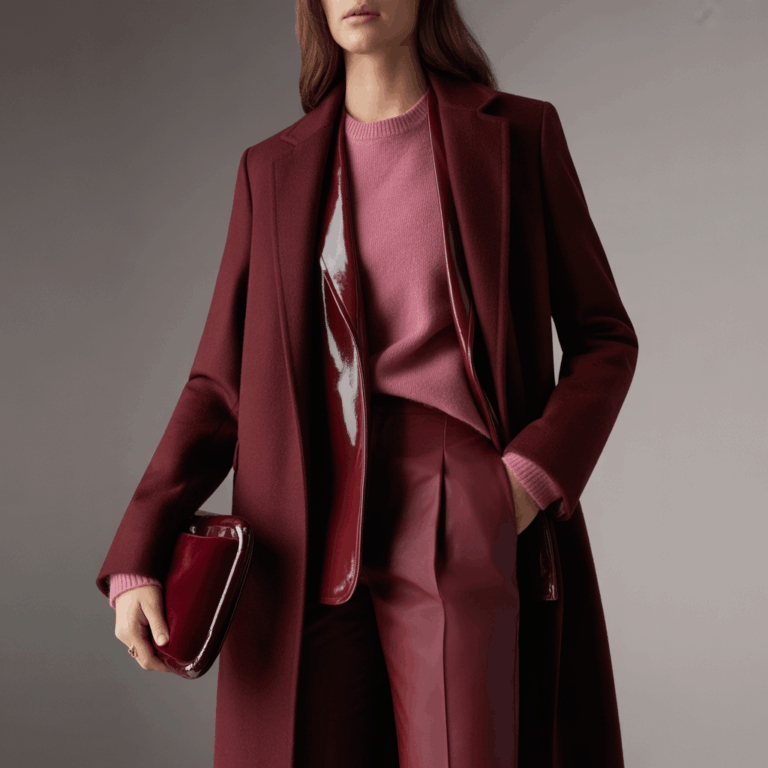
| Bold Color Outerwear | High-Contrast Harmony | Pair the deep-hue outerwear with the classic contrast of black and crisp white to balance the color’s intensity and achieve instant elegance. For sophistication, use soft cashmere sweaters underneath. |
II. Prevention of Damage: The Expert Care Protocol
Preserving the integrity of your investment piece takes specialized maintenance—proper drying, strong structural support, and avoiding the common mistakes that quietly ruin great outerwear over time.
| Maintenance Area | Natural Fibers (Wool, Sheepskin) | Technical & Synthetic (Puffer Coat, Raincoat) | Non-Negotiable Rules |
|---|---|---|---|
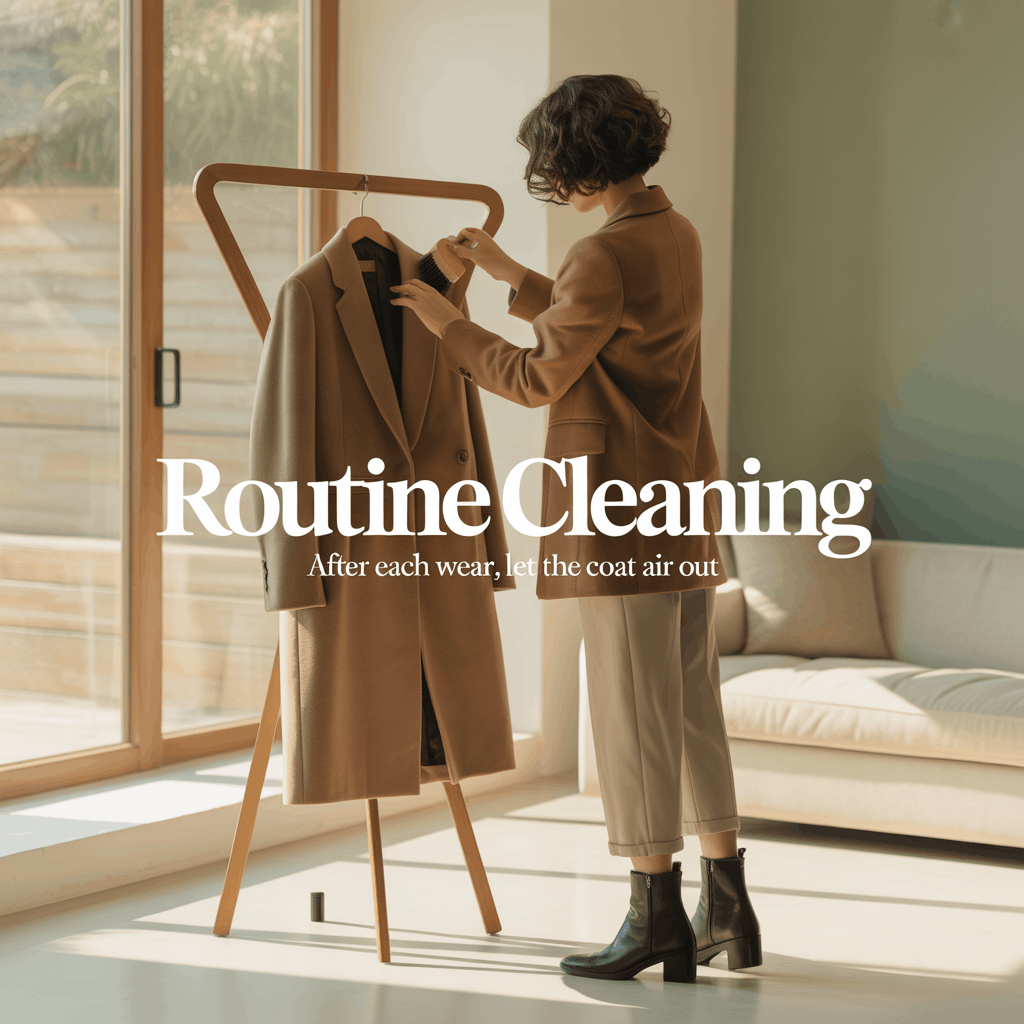
| Routine Cleaning | After each wear, let the coat air out and use a soft brush to remove dust and debris, preventing fiber damage and matting. | After use, shake off excess water and wipe down surface dirt.For down-filled puffers, REI’s guide on how to wash a down jacket explains the safest way to clean it and restore loft without ruining the insulation. | Immediately spot clean. Use the “blot, not rub“ rule with mild detergent to prevent pushing stains deeper into the fabric. |
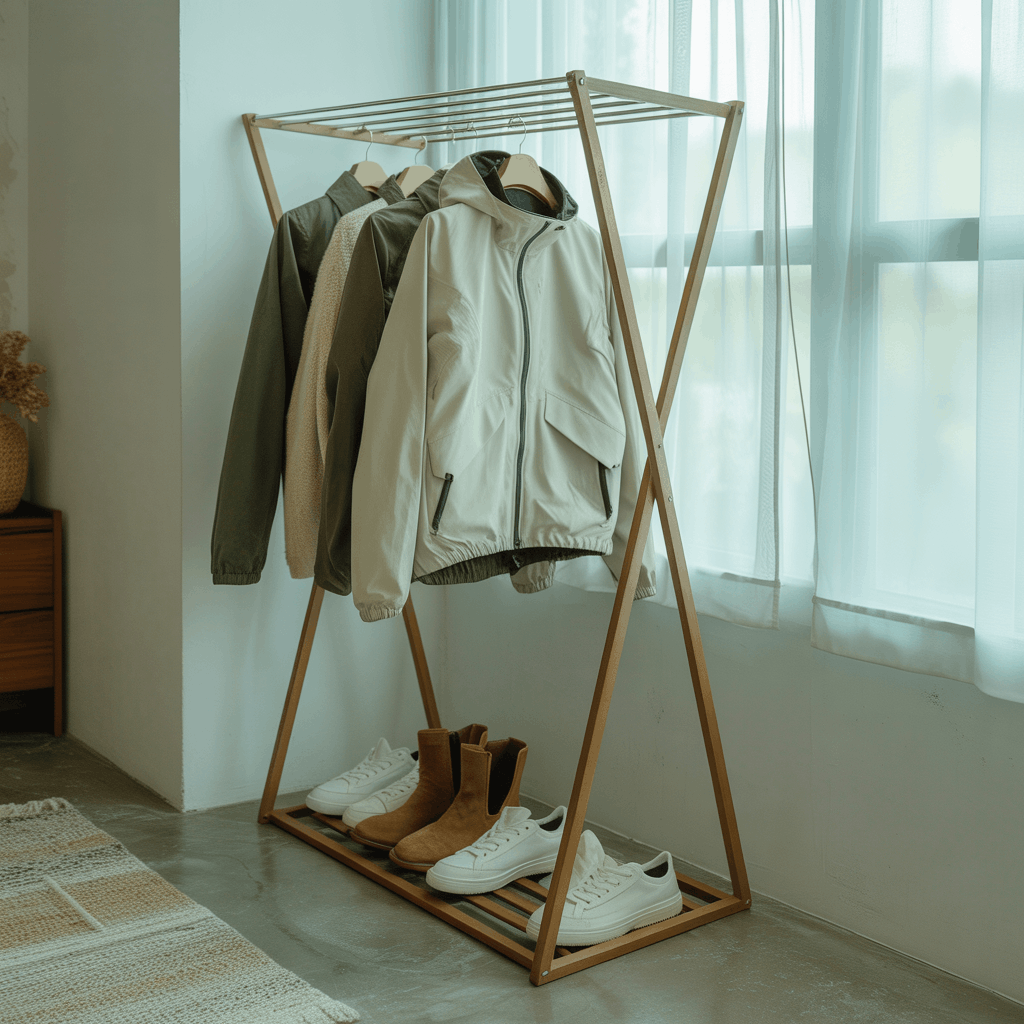
| Drying | Air dry only; avoid direct heat (radiators/sunlight), which can dry out the material’s leather base (sheepskin) and damage wool elasticity. | Hang up the weather shell to air dry completely; never use a tumble dryer unless instructed, as heat can damage technical coatings. | |
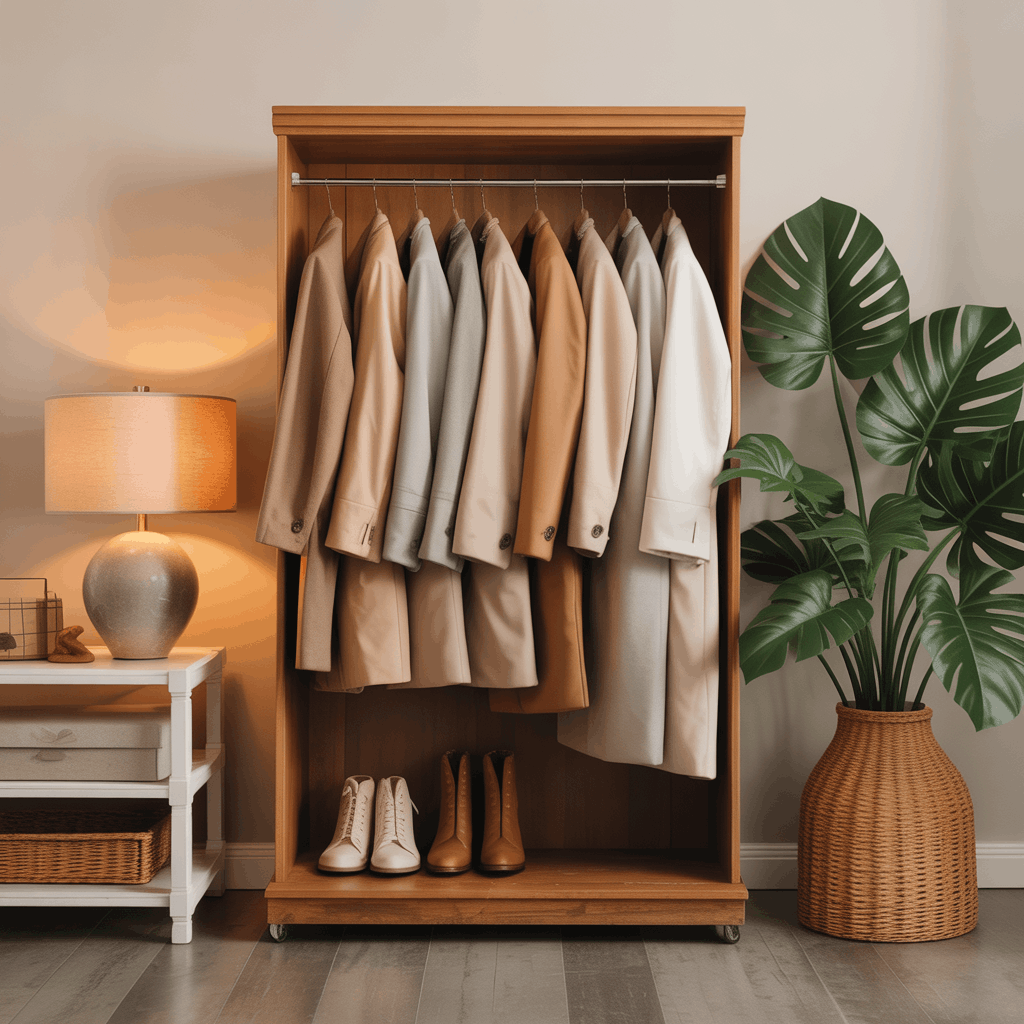
| Hangers | Avoid flimsy wire hangers; they cause stress and damage the shoulder structure. Use sturdy, wide,padded, or cedar hangers to support the coat’s weight and maintain its precision fit. | Cedar accessories naturally repel pests like moths that target wool fibers. | |
| Storage | Store in breathable cotton or canvas garment bags in a cool, dry place. Never use plastic dry cleaner bags, as they trap moisture, encourage mildew, and risk creases. | Always clean your coat before storing it for the season to prevent pests from being attracted to dirt and grime. |
Key Takeaways: Coat Types, Styling & Care
A great winter coat does more than keep you warm—it sets the tone for your entire wardrobe. When you understand the purpose behind each style, choosing becomes easier: tailored classics (like overcoats, topcoats, and trench coats) deliver structure and longevity, technical coats (like parkas and padded jackets) prioritize insulation and weather protection, and fashion-forward silhouettes (like swing coats, printed jackets, and capes) bring visual impact and texture.
The best winter coat outfits start with the same foundation: fit that supports your shape, proportions that feel intentional, and smart contrast—sleek layers under volume, smooth textures under rough wool, and simple neutrals under bold patterns or color. Use the “One Coat, One Story” rule to keep your coat as the hero, then let the rest of your outfit play the supporting role.
Finally, treat outerwear like the investment it is. A little routine care, correct drying, strong hangers, breathable storage, and seasonal cleaning protect the structure and fabric so your coats last for years. Build your outerwear arsenal with purpose, style it with balance, and maintain it properly—then every cold day becomes an effortless, polished moment.